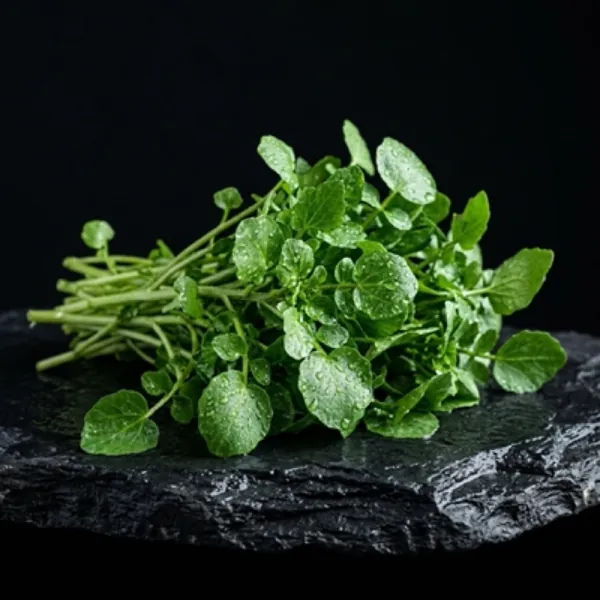
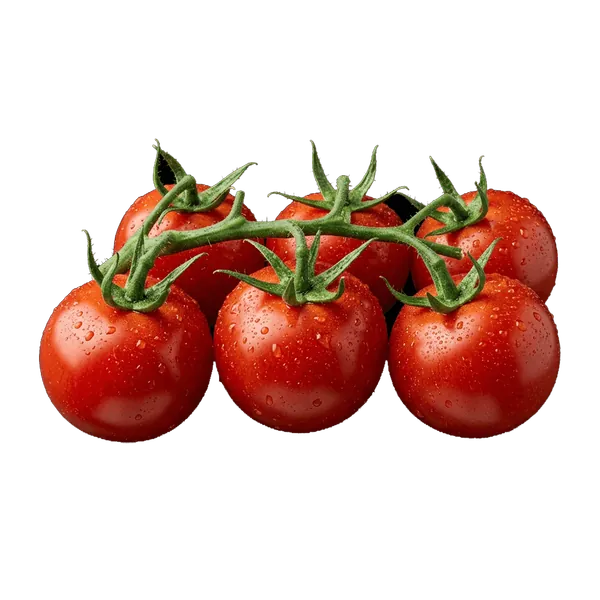
NUTRIENT-DENSE.
NATURALLY POWERFUL.
Discover What Whole Foods Can Do
Explore the natural benefits of fruits, vegetables, herbs, and real ingredients—along with simple ways to use them in everyday life.
Welcome to MyWholeFoods
MyWholeFoods is your definitive guide to the healing power of nature's ingredients. We research and compile peer-reviewed, scientific literature on fruits, vegetables, adaptogens, and more. Our mission is to present reliable, practical nutrition information to help you optimize your health, fight inflammation, and build customized wellness protocols based entirely on whole foods.
Purity in Every Bite
Our Scientific Commitment
Every food entry in our directory is synthesized from peer-reviewed research data. We prioritize biological accuracy over nutritional trends, ensuring you have access to the most reliable wellness insights available.
Categories
Navigate through various whole food classifications to find the nourishment your body needs.
Important Medical Disclaimer
MyWholeFoods.com is an information-based platform designed for educational purposes only. The information provided is not a substitute for professional medical care, diagnosis, or treatment. Always seek the advice of your physician or other qualified health providers with any questions you may have regarding a medical condition.