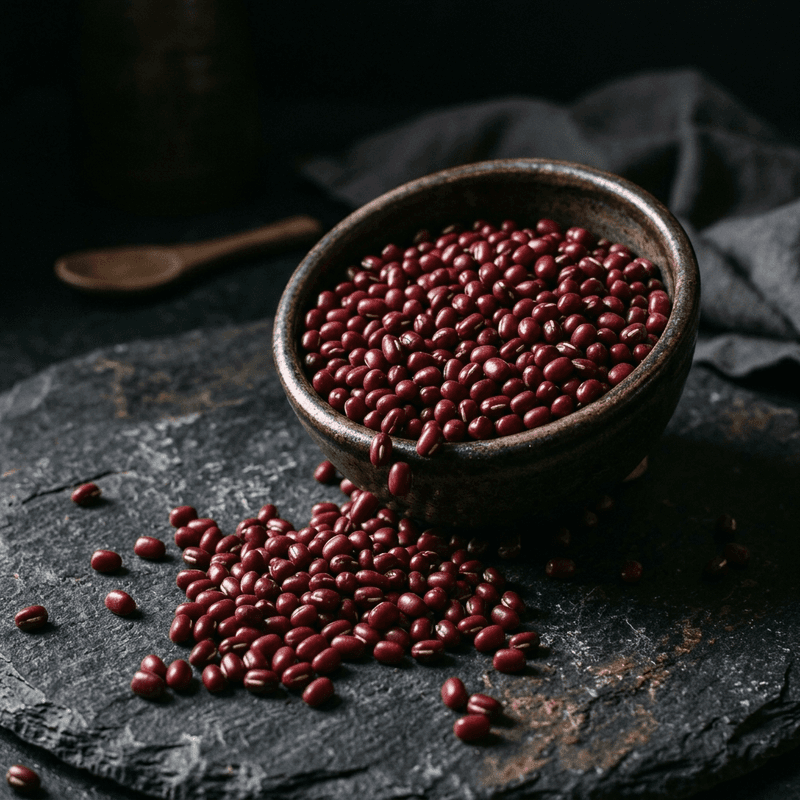
Adzuki Beans
Vigna angularis
Clinical Overview
Adzuki beans (Vigna angularis) are small, reddish-brown beans predominantly cultivated throughout East Asia, where they have been utilized in both culinary and medicinal contexts for millennia. Unlike many larger legumes, adzuki beans possess a uniquely sweet, nutty flavor and a dense, creamy texture, making them incredibly versatile in both savory and sweet applications. From a clinical perspective, adzuki beans are a top-tier source of plant-based protein, complex carbohydrates, and dietary fiber. They are particularly renowned for their exceptional antioxidant capacity, which frequently surpasses that of more commonly celebrated foods like blueberries and pomegranates. The specific flavonoids and proanthocyanidins found in the seed coat of the adzuki bean have been shown in numerous studies to significantly reduce oxidative stress, mitigate cellular inflammation, and protect against endothelial dysfunction. Furthermore, the high concentration of soluble fiber acts as a potent prebiotic, selectively nourishing beneficial strains of gut bacteria, such as Bifidobacteria, while simultaneously stabilizing postprandial blood glucose levels. This makes adzuki beans an elite dietary component for individuals managing metabolic syndrome, insulin resistance, or chronic inflammatory conditions. Their rich mineral profile, including substantial amounts of folate, potassium, magnesium, and non-heme iron, supports everything from optimal cardiovascular function and healthy blood pressure regulation to robust cellular division and energy metabolism.
Nutrient Profile
Health Benefits
Glycemic Control
High resistant starch and fiber content slow digestion, preventing rapid spikes in blood sugar and improving insulin sensitivity.
Antioxidant Defense
Packed with powerful polyphenols and proanthocyanidins that neutralize free radicals and lower systemic inflammation.
Digestive Health
The complex fibers act as prebiotics, feeding beneficial gut bacteria and promoting healthy, regular bowel movements.
Preparation Guide
Soaking and Boiling
Best For: Soaking neutralizes phytic acid (an antinutrient), drastically improving the bioavailability of iron and zinc during digestion.
Nourishing Recipes
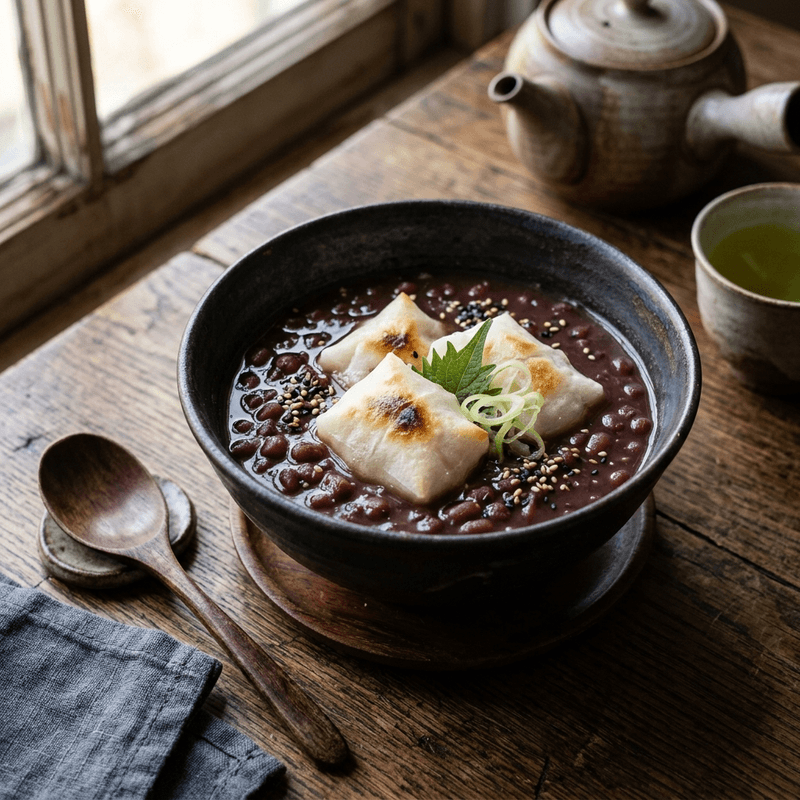
Comforting Adzuki Bean & Sweet Potato Soup
A naturally sweet, antioxidant-rich soup perfect for stabilizing blood sugar.
Research Focus
Combines the resistant starch of adzuki beans with the complex carbohydrates of sweet potato for sustained, non-spiking energy.
Drain and rinse the soaked adzuki beans.
In a large pot, combine the beans, water/broth, and grated ginger. Bring to a boil, then simmer for 45 minutes.
Add the cubed sweet potato and simmer for another 20 minutes until both beans and potatoes are tender.
Stir in the tamari just before serving.
Research Ingredients
- 1 cup dried adzuki beans (soaked overnight)
- 1 large sweet potato, cubed
- 1 inch fresh ginger, grated
- 4 cups water or vegetable broth
- 1 tbsp tamari or coconut aminos
Nourishing Focus
Combines the resistant starch of adzuki beans with the complex carbohydrates of sweet potato for sustained, non-spiking energy.
How to Use Adzuki Beans for Health
Daily Routine
1/2 cup cooked, several times a week.
Form Preference
Boiled in soups or mashed.
Synergistic Pairings
Optimal Timing
- Soups
- Stews
- Traditional desserts
Sourcing & Preparation
Research Grade Equipment


* As an Amazon Associate I earn from qualifying purchases. See our full disclosure.
Scientific Analysis & Research Insights
ABSTRACT
Clinical and botanical evaluations underscore the exceptional antioxidant capacity of adzuki beans. Specifically, their dense concentration of flavonoids and polyphenols is significantly correlated with reduced oxidative stress and improved metabolic outcomes in human diets.
Possesses extremely high antioxidant activity due to specific proanthocyanidins.
Soluble fiber profile acts as a potent prebiotic, stabilizing blood glucose.
RESEARCH SPECS
An elite dietary intervention for managing metabolic syndrome and reducing cellular inflammation.
foodDetail.researchDisclaimer
Frequently Asked Questions about Adzuki Beans
Do I have to soak them?
While smaller than other beans and quicker to cook, soaking is highly recommended. It breaks down phytic acid, making the abundant minerals (like iron and zinc) much more bioavailable to your body.
Are they good for weight loss?
Absolutely. Adzuki beans are rich in protein and soluble fiber, which significantly increases satiety (the feeling of fullness). This can prevent overeating while providing sustained energy without spiking blood sugar.
How do they differ from red kidney beans?
Adzuki beans are much smaller, sweeter, and easier to digest than red kidney beans. They also contain a completely different antioxidant profile, featuring specific flavonoids that make them superior for reducing oxidative stress.
Can I use them in sweet recipes?
Yes! In traditional East Asian cuisine, adzuki beans are often boiled with sugar to make 'red bean paste,' which is used in countless desserts, mochi, and pastries due to their natural sweetness.
Do they cause as much gas as other beans?
Generally, no. Adzuki beans have a thinner skin and fewer complex oligosaccharides than beans like navy or kidney beans, making them one of the most digestible and gentle beans for the gut.