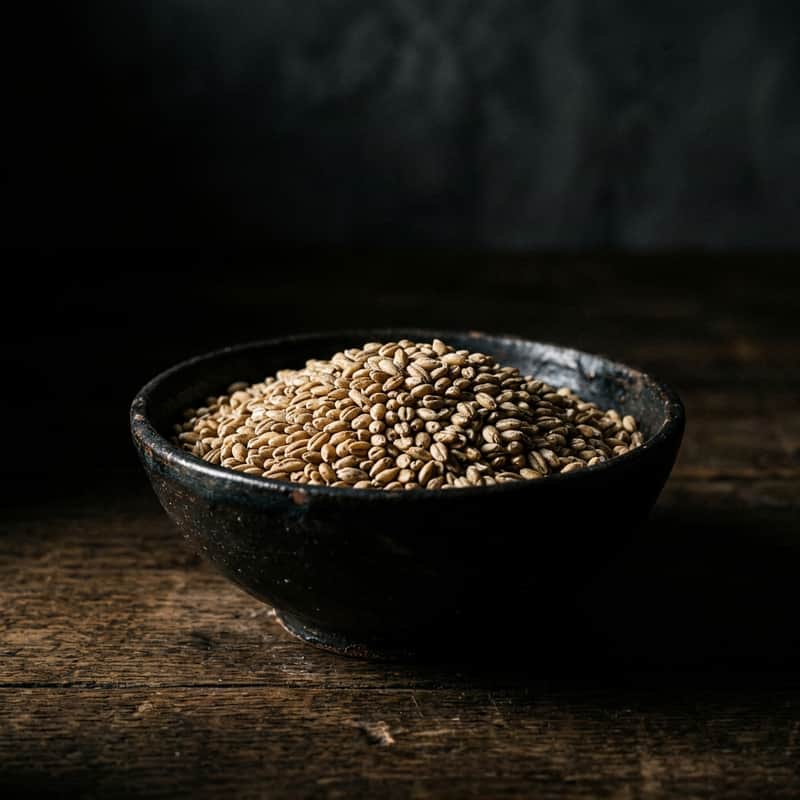
Barley
Hordeum vulgare
Clinical Overview
Renowned for its extraordinary phytochemical profile, Barley represents a cornerstone of functional nutrition. It provides an unparalleled matrix of essential micronutrients, powerful antioxidants, and unique bioactive compounds. An ancient whole grain exceptionally rich in beta-glucan soluble fiber. Barley is clinically celebrated for its ability to significantly lower LDL cholesterol, reduce non-HDL cholesterol, and optimize the postprandial glucose and insulin response. In the realm of preventative health, Barley is considered a powerhouse. Its intricate nutritional architecture provides the exact substrate required by the body's enzymatic systems to neutralize free radicals and regulate inflammatory pathways. Furthermore, regular consumption of Barley has been linked to profound improvements in overall vitality. As researchers continue to uncover the depth of its benefits, it remains one of the most highly recommended dietary additions for those seeking peak health.
Nutrient Profile
Health Benefits
Cholesterol Management
Barley beta-glucans form a viscous gel in the GI tract that binds bile acids and increases their excretion, driving the liver to use systemic cholesterol for new bile synthesis, thus lowering circulating LDL-C.
Glycemic Control
Soluble fibers slow gastric emptying and carbohydrate digestion, leading to a flatter and more sustained postprandial blood glucose profile and improved insulin sensitivity.
Satiety and Weight
Highly fermentable prebiotic fibers stimulate gut-derived satiety hormones (GLP-1 and PYY), helping to regulate appetite and prevent obesity.
Preparation Guide
Hulled or pearled barley cooked thoroughly to gelatinize soluble fibers.
Best For: Maximizing nutrient absorption and digestibility
Alternative Usage
Best For: Oats, which also contain high levels of soluble beta-glucans.
Nourishing Recipes
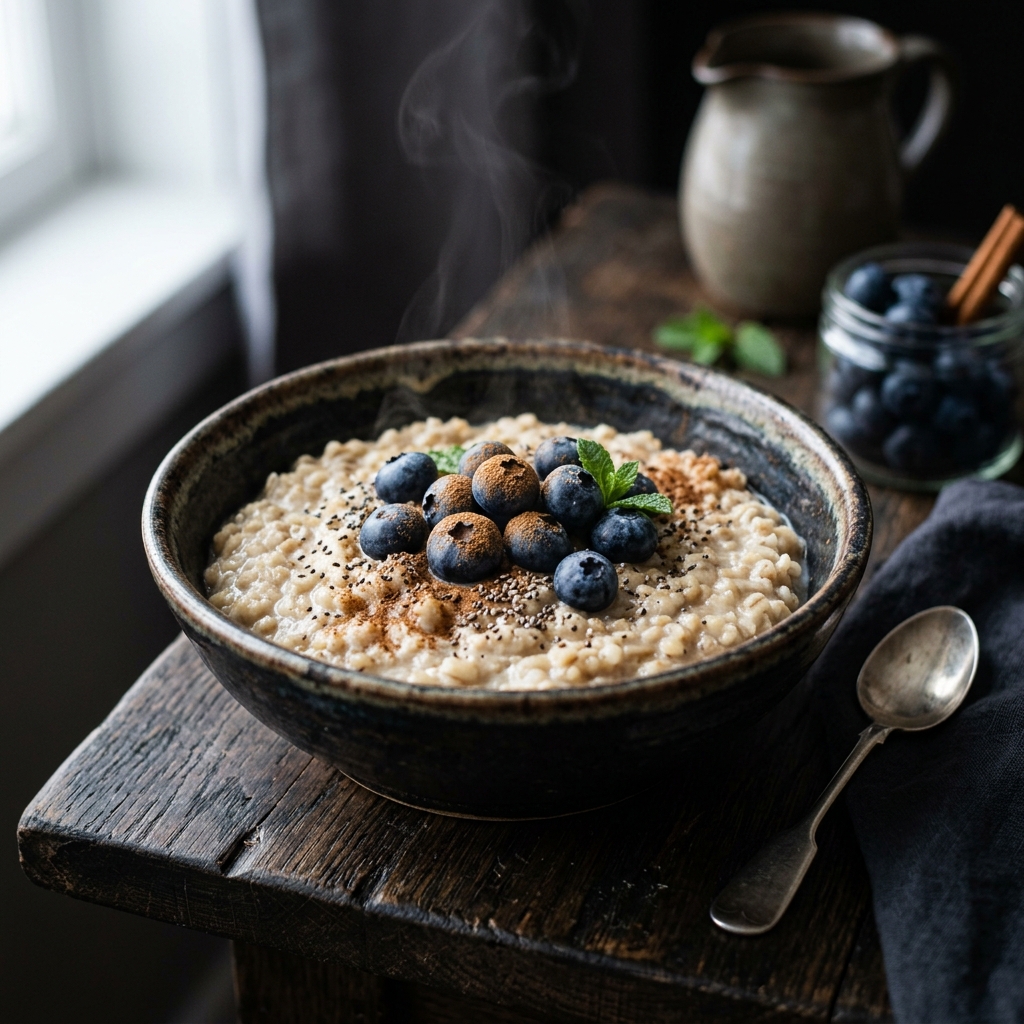
Vascular Beta-Glucan Porridge
A slow-simmered, comforting breakfast porridge that fully hydrates barley's viscous fibers to optimize cholesterol binding.
Research Focus
Maximizes the hydration of beta-glucans to optimize gut-binding capacity and lower systemic LDL-C.
Bring the water or almond milk to a boil in a small saucepan.
Stir in the barley flakes and reduce heat to low.
Simmer for 10-12 minutes, stirring occasionally, until thick and creamy.
Stir in the cinnamon and chia seeds, and let stand for 2 minutes to allow fiber gelation.
Pour into a bowl, top with fresh blueberries, and serve warm.
Research Ingredients
- 1/2 cup Rolled Barley Flakes
- 1.5 cups Water or Almond Milk
- 1 tsp Ground Cinnamon
- 1 tbsp Chia Seeds
- 1/4 cup Fresh Blueberries
Nourishing Focus
Maximizes the hydration of beta-glucans to optimize gut-binding capacity and lower systemic LDL-C.
How to Use Barley for Health
Daily Routine
To maximize the bioavailability of its active compounds, Barley should be consumed intentionally.
Form Preference
It is best consumed in its raw or minimally processed form to preserve its delicate enzymatic structure and heat-sensitive antioxidants.
Synergistic Pairings
Optimal Timing
- In the morning on an empty stomach to enhance absorption.
- As a pre-workout or midday snack to provide sustained cellular energy.
- During the largest meal of the day to leverage its synergistic effects with other nutrients.
Sourcing & Preparation
Research Grade Equipment


* As an Amazon Associate I earn from qualifying purchases. See our full disclosure.
Scientific Analysis & Research Insights
ABSTRACT
A systematic review and meta-analysis of 14 randomized controlled trials confirmed that consuming barley beta-glucan significantly reduces LDL-C, non-HDL-C, and apoB levels, key biomarkers of cardiovascular disease risk.
Significant reductions in LDL-C and total cholesterol
Favorable decreases in apoB and non-HDL-C levels
Effective dosage identified at 3g of barley beta-glucan daily
Consistent lipid-lowering outcomes across diverse clinical cohorts
RESEARCH SPECS
Identifies barley as a premier dietary intervention for primary cardiovascular protection and hyperlipidemia management.
foodDetail.researchDisclaimer
Frequently Asked Questions about Barley
What makes Barley uniquely beneficial compared to other foods in its category?
Barley contains a specific matrix of phytonutrients and antioxidants that are highly bioavailable. Unlike isolated supplements, the whole-food structure of Barley ensures that its active compounds are absorbed efficiently and utilized optimally by the body's metabolic pathways.
Can I consume Barley every day?
Yes, daily consumption is generally considered safe and highly beneficial for most individuals. Consistency is key when leveraging whole foods for clinical outcomes, as the body relies on a steady influx of these micronutrients to maintain cellular health and homeostasis.
How does Barley interact with the gut microbiome?
The complex fibers and specific polyphenols found in Barley act as powerful prebiotics. They selectively nourish beneficial gut flora, enhancing the production of short-chain fatty acids (SCFAs) which are crucial for maintaining the integrity of the gut lining and modulating systemic inflammation.