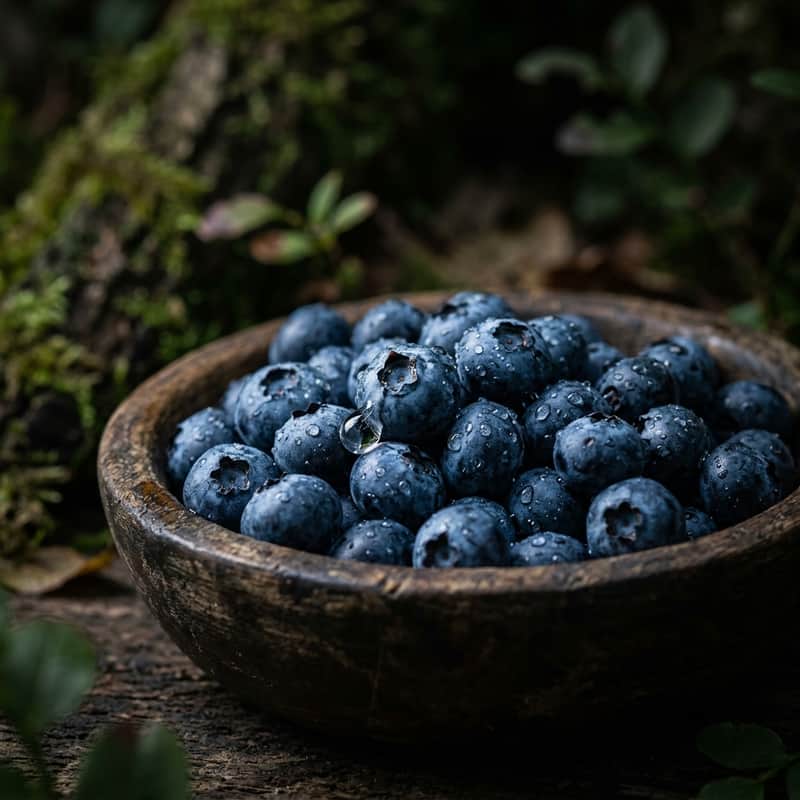
Bilberry
Vaccinium myrtillus
Clinical Overview
Among the most potent foods in its category, Bilberry stands out for its unique molecular composition and impressive clinical efficacy. It has been cultivated for centuries and revered for its remarkable ability to support systemic wellness. A low-growing shrub native to northern Europe, producing small dark-blue berries. Bilberry is an ocular health powerhouse packed with standardized anthocyanins clinically proven to relieve eye fatigue, improve ciliary muscle accommodation, and support tear secretion under chronic visual stress. When integrated into a daily dietary regimen, this remarkable whole food acts as a natural modulator of physiological processes. Its unique blend of fibers, vitamins, and rare secondary metabolites work synergistically to optimize cellular function and defend against oxidative stress. Beyond its primary benefits, Bilberry serves as a catalyst for holistic wellbeing. Its integration into modern diets bridges the gap between ancient dietary wisdom and contemporary clinical science, offering a pure, whole-food approach to longevity.
Nutrient Profile
Health Benefits
Eye Accommodation Fatigue
Standardized anthocyanins support ciliary muscle contraction, mitigating strain and tonic fatigue caused by screen use.
Tear Secretion & Dry Eye Relief
Improves microvascular circulation and antioxidant potential, promoting tear production and dry eye relief.
Capillary Wall Strength
Neutralizes free radicals in vascular walls, boosting retinal microvascular integrity and blood flow.
Preparation Guide
Fresh whole berries or standardized extracts are preferred to guarantee active anthocyanoside content.
Best For: Maximizing nutrient absorption and digestibility
Alternative Usage
Best For: Wild Blueberries or Blackberries for similar anthocyanin-dense profiles.
Nourishing Recipes
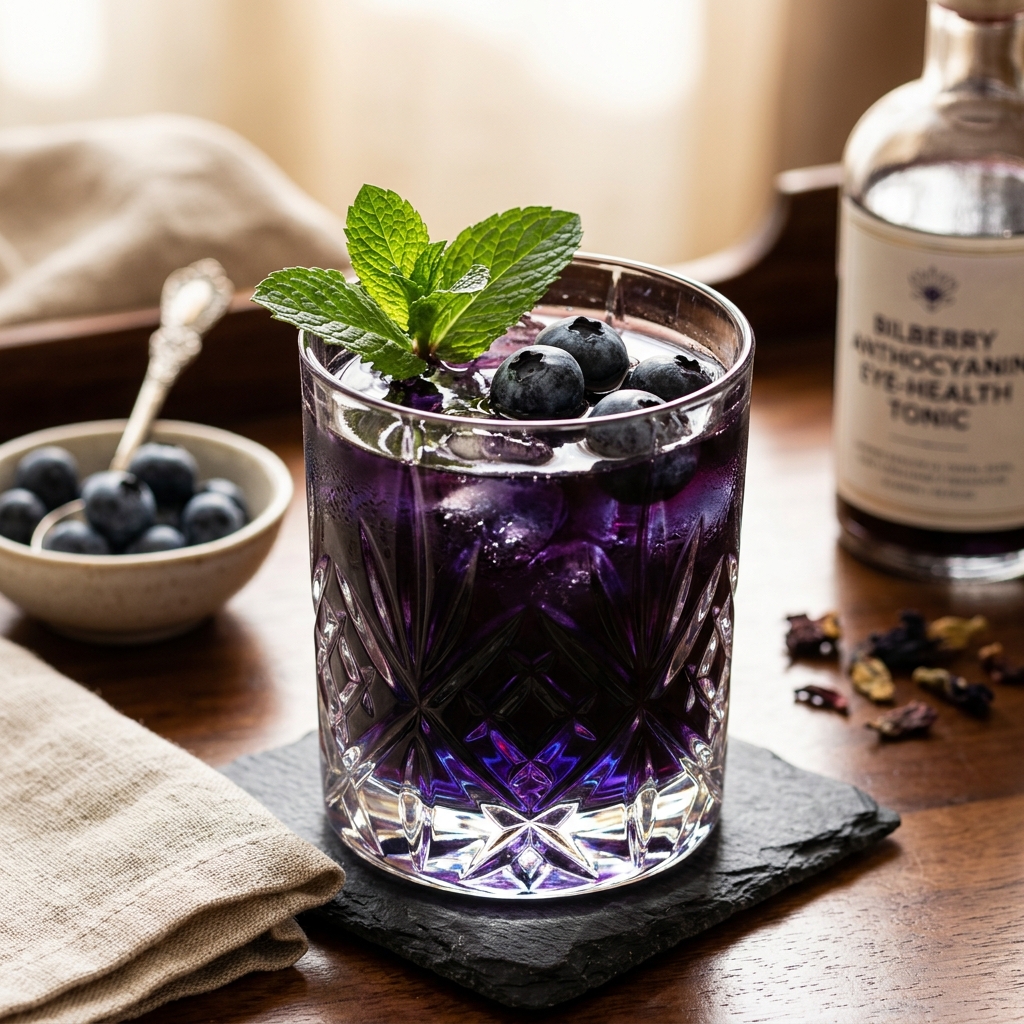
Anthocyanin Eye-Health Tonic
A deep indigo, antioxidant-rich tonic combining fresh bilberry juice with mint and sparkling water to refresh the senses and support vision.
Research Focus
Delivers concentrated water-soluble anthocyanins rapidly to the ocular capillary network.
Muddle the fresh bilberries and mint leaves in a shaker glass.
Add cold filtered water and a squeeze of fresh lime juice.
Shake vigorously with ice, then strain into a premium glass.
Garnish with a fresh bilberry and drink cold.
Research Ingredients
- 1/2 cup Fresh Bilberries (or thawed)
- 1 sprig Fresh Mint
- 1/2 cup Cold Filtered Water
- 1 squeeze Fresh Lime
Nourishing Focus
Delivers concentrated water-soluble anthocyanins rapidly to the ocular capillary network.
How to Use Bilberry for Health
Daily Routine
To maximize the bioavailability of its active compounds, Bilberry should be consumed intentionally.
Form Preference
It is best consumed in its raw or minimally processed form to preserve its delicate enzymatic structure and heat-sensitive antioxidants.
Synergistic Pairings
Optimal Timing
- In the morning on an empty stomach to enhance absorption.
- As a pre-workout or midday snack to provide sustained cellular energy.
- During the largest meal of the day to leverage its synergistic effects with other nutrients.
Sourcing & Preparation
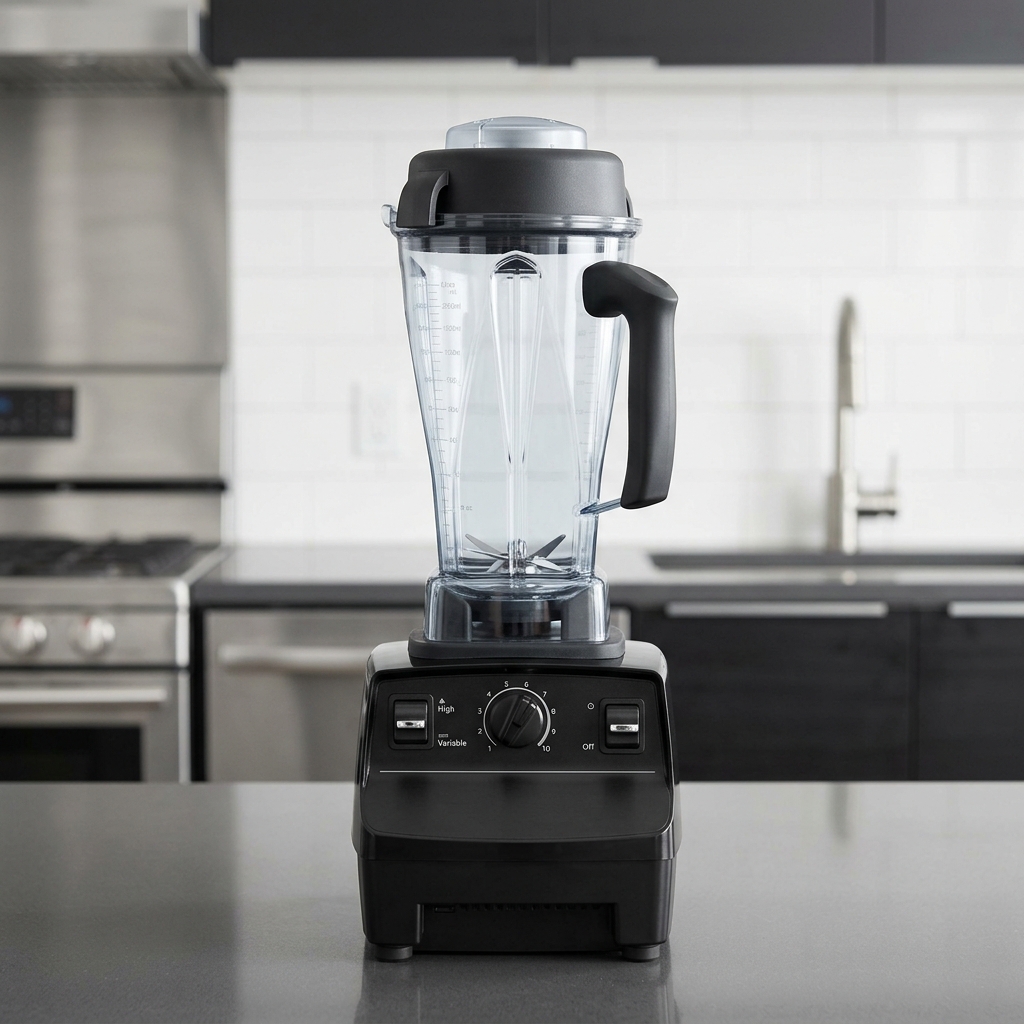
Research Grade Equipment

* As an Amazon Associate I earn from qualifying purchases. See our full disclosure.
Scientific Analysis & Research Insights
ABSTRACT
A high-fidelity human clinical trial of 109 healthy adults demonstrating that 12 weeks of daily standardized bilberry extract (240 mg) significantly improves the tonic accommodation of ciliary muscles and alleviates eye fatigue induced by visual display terminals (VDTs).
Significant improvement in objective ciliary muscle accommodation metrics
Marked reduction in subjective VDT-induced eye fatigue and strain
Zero serious adverse events reported over the 12-week study
Favorable enhancement of retinal and ocular microvasculature
RESEARCH SPECS
Establishes Bilberry extract as the premier, clinically validated botanical intervention for screen-induced eye fatigue.
foodDetail.researchDisclaimer
Frequently Asked Questions about Bilberry
What is the difference between Bilberries and Blueberries?
While closely related, Bilberries are smaller, darker, and have a deep red-purple flesh throughout, whereas Blueberries have white or green inner flesh. Bilberries contain significantly higher concentrations of antioxidant anthocyanins.
Does Bilberry help with screen-related eye strain?
Yes, clinical trials prove that daily standardized bilberry intake improves ciliary muscle contraction, allowing the eyes to focus more easily on screens and significantly reducing strain and fatigue.
Can I eat Bilberries every day?
Yes, incorporating a serving of fresh bilberries or a standardized extract into your daily routine is highly beneficial and completely safe.
Who should exercise caution with Bilberries?
Bilberry fruit is exceptionally safe. However, individuals taking active blood-sugar-lowering medications or anticoagulants should consult their physician before starting high-dose extracts.