Breadnut
Artocarpus camansi
Clinical Overview
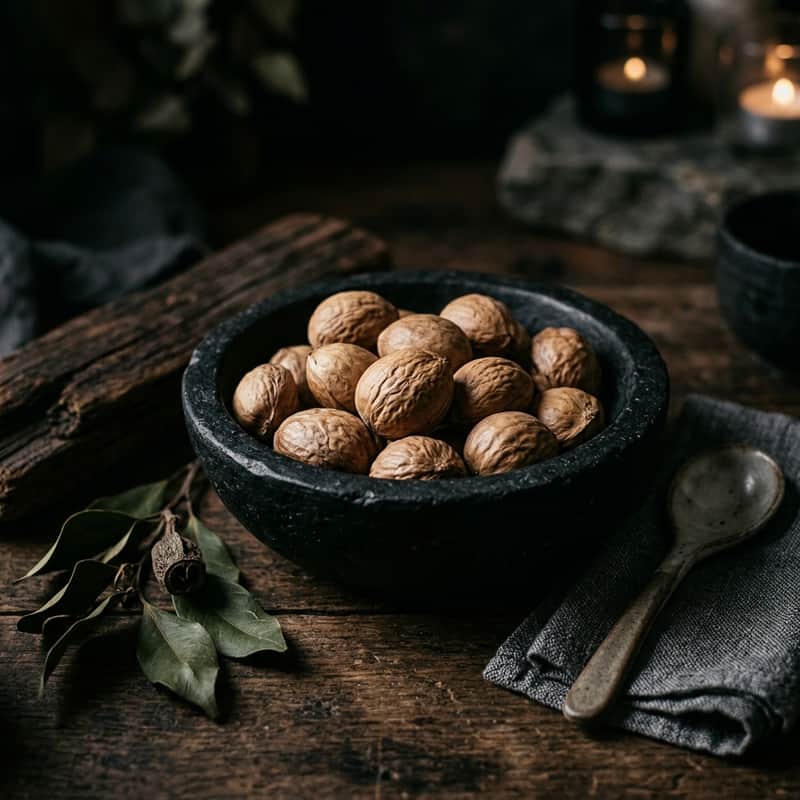
Breadnut is widely recognized in nutritional science for its profound impact on human health. Historically utilized in traditional practices across the globe, it has recently gained significant attention from modern clinical researchers. The seeded ancestor of the breadfruit, native to New Guinea. Breadnut seeds resemble large chestnuts and are a highly nutritious, sustainable dietary staple. They are exceptionally dense in complex carbohydrates, essential amino acids, and vital minerals, offering robust metabolic and neurological support. The clinical significance of Breadnut cannot be overstated. By providing the body with a dense concentration of bioavailable nutrients, it actively supports metabolic homeostasis, enhances immune resilience, and fosters long-term longevity. Ultimately, Breadnut exemplifies the philosophy that food is medicine. By prioritizing such nutrient-dense whole foods, individuals can proactively engineer their health and build robust resilience against modern dietary pitfalls.
Nutrient Profile
Health Benefits
Metabolic Stability
Rich in complex carbohydrates and dietary fiber, breadnut seeds provide a slow, sustained release of glucose into the bloodstream, avoiding rapid insulin spikes and supporting long-term metabolic health.
Neurological Protection
Extracts from the seeds have demonstrated significant chaperone-like activity, helping to protect proteins from unfolding and defending against amyloid-beta induced cytotoxicity, offering neuroprotective potential.
Cellular Repair
Packed with a complete profile of essential amino acids, including leucine, isoleucine, and valine (BCAAs), which are critical for muscle tissue repair, enzyme synthesis, and maintaining cellular integrity.
Preparation Guide
Best consumed boiled or roasted, 1/2 cup per day.
Best For: Sustained complex carbohydrate energy and stable blood sugar
Ground into flour for baking and porridges
Best For: High nutrient density and synergistic pairing with Ceylon cinnamon or raw cacao
Nourishing Recipes
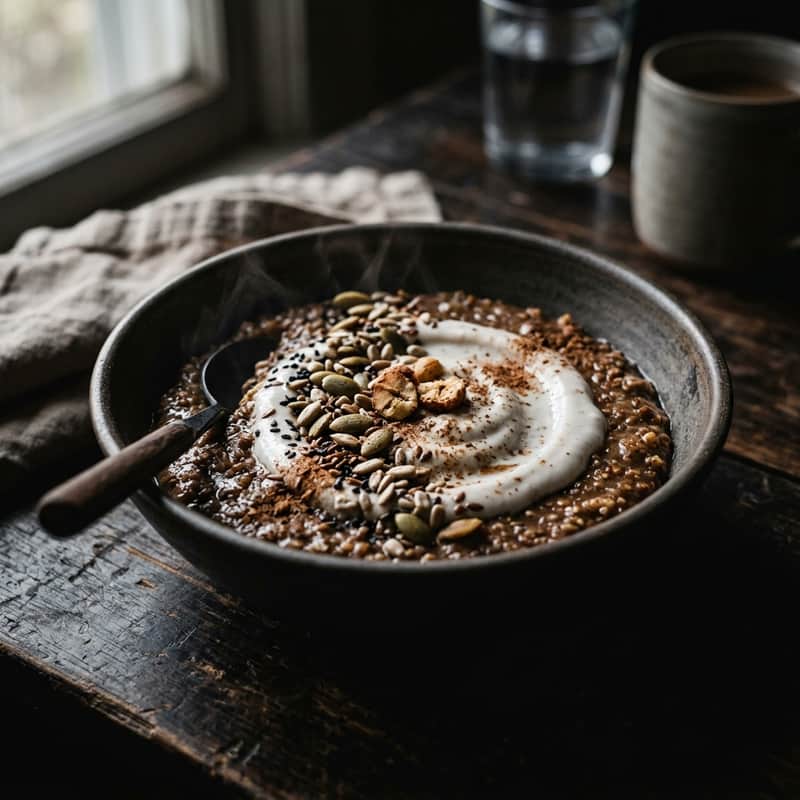
Neuro-Supportive Breadnut Flour Porridge
Research Focus
In a small saucepan, gently whisk the breadnut flour into the coconut milk over low-medium heat.
Stir continuously until the mixture thickens into a creamy porridge (about 8-10 minutes).
Remove from heat and stir in the Ceylon cinnamon, salt, and sweetener.
Pour into a dark stone bowl and garnish generously with roasted pumpkin seeds for added crunch and zinc.
Research Ingredients
- 1/2 cup breadnut seed flour (or blended boiled seeds)
- 1 cup full-fat coconut milk
- 1 tsp Ceylon cinnamon
- 1 tbsp raw honey or monk fruit
- Pinch of sea salt
- Pumpkin seeds for topping
Nourishing Focus
How to Use Breadnut for Health
Daily Routine
To maximize the bioavailability of its active compounds, Breadnut should be consumed intentionally.
Form Preference
It is best consumed in its raw or minimally processed form to preserve its delicate enzymatic structure and heat-sensitive antioxidants.
Synergistic Pairings
Optimal Timing
- In the morning on an empty stomach to enhance absorption.
- As a pre-workout or midday snack to provide sustained cellular energy.
- During the largest meal of the day to leverage its synergistic effects with other nutrients.
Sourcing & Preparation
Research Grade Equipment


* As an Amazon Associate I earn from qualifying purchases. See our full disclosure.
Scientific Analysis & Research Insights
ABSTRACT
Recent biomedical analysis has highlighted the potent neuroprotective capacities of Artocarpus camansi seed extracts. Research indicates that the seed protein extracts exhibit chaperone activity, significantly mitigating amyloid-β (Aβ)-induced cytotoxicity, suggesting promising therapeutic potential for cognitive preservation.
Demonstrates significant chaperone-like protein activity
Protects against amyloid-beta (Aβ)-induced cytotoxicity
Rich in essential amino acids (BCAAs)
Potent neuroprotective and cell-repair properties
RESEARCH SPECS
Suggests promising therapeutic potential for cognitive preservation and preventing neurodegenerative diseases.
foodDetail.researchDisclaimer
Frequently Asked Questions about Breadnut
What makes Breadnut uniquely beneficial compared to other foods in its category?
Breadnut contains a specific matrix of phytonutrients and antioxidants that are highly bioavailable. Unlike isolated supplements, the whole-food structure of Breadnut ensures that its active compounds are absorbed efficiently and utilized optimally by the body's metabolic pathways.
Can I consume Breadnut every day?
Yes, daily consumption is generally considered safe and highly beneficial for most individuals. Consistency is key when leveraging whole foods for clinical outcomes, as the body relies on a steady influx of these micronutrients to maintain cellular health and homeostasis.
How does Breadnut interact with the gut microbiome?
The complex fibers and specific polyphenols found in Breadnut act as powerful prebiotics. They selectively nourish beneficial gut flora, enhancing the production of short-chain fatty acids (SCFAs) which are crucial for maintaining the integrity of the gut lining and modulating systemic inflammation.