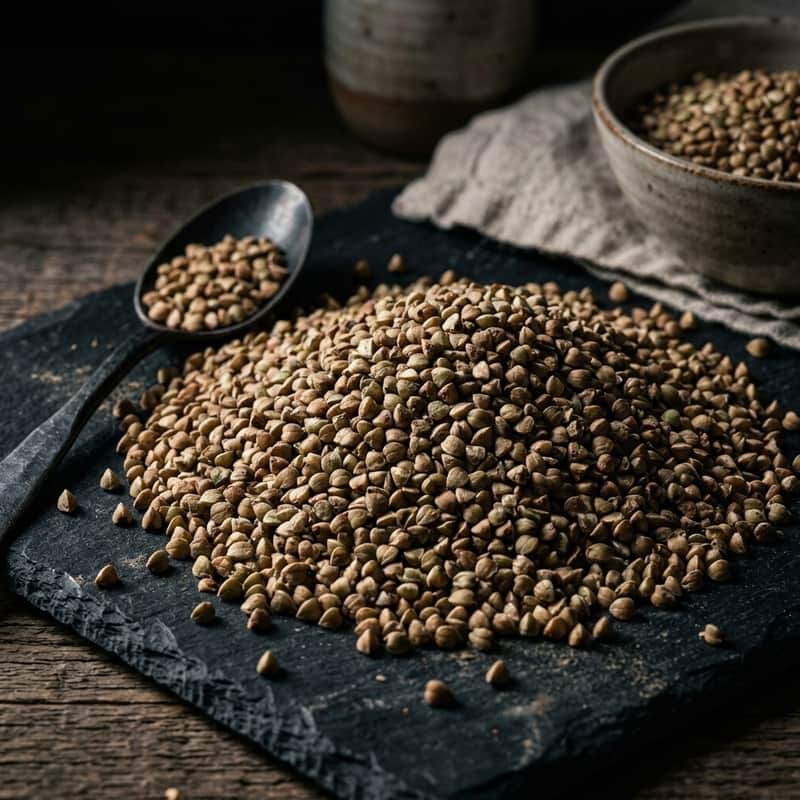
Buckwheat
Fagopyrum esculentum
Clinical Overview
Among the most potent foods in its category, Buckwheat stands out for its unique molecular composition and impressive clinical efficacy. It has been cultivated for centuries and revered for its remarkable ability to support systemic wellness. A gluten-free pseudocereal rich in rutin and magnesium. It is clinically studied for its ability to strengthen capillaries and improve insulin sensitivity. When integrated into a daily dietary regimen, this remarkable whole food acts as a natural modulator of physiological processes. Its unique blend of fibers, vitamins, and rare secondary metabolites work synergistically to optimize cellular function and defend against oxidative stress. Beyond its primary benefits, Buckwheat serves as a catalyst for holistic wellbeing. Its integration into modern diets bridges the gap between ancient dietary wisdom and contemporary clinical science, offering a pure, whole-food approach to longevity.
Nutrient Profile
Health Benefits
Cardiovascular Integrity
Primary dietary source of rutin, a flavonoid that strengthens capillaries and inhibits platelet aggregation.
Glycemic Management
Contains D-chiro-inositol, which acts as an insulin mediator and helps lower blood sugar.
Digestive Health
Rich in resistant starch that escapes digestion and supports colon health via SCFA production.
Preparation Guide
Whole, fresh buckwheat is preferred for maximum nutrient density and fiber retention.
Best For: Maximizing nutrient absorption and digestibility
Alternative Usage
Best For: General health maintenance
Nourishing Recipes
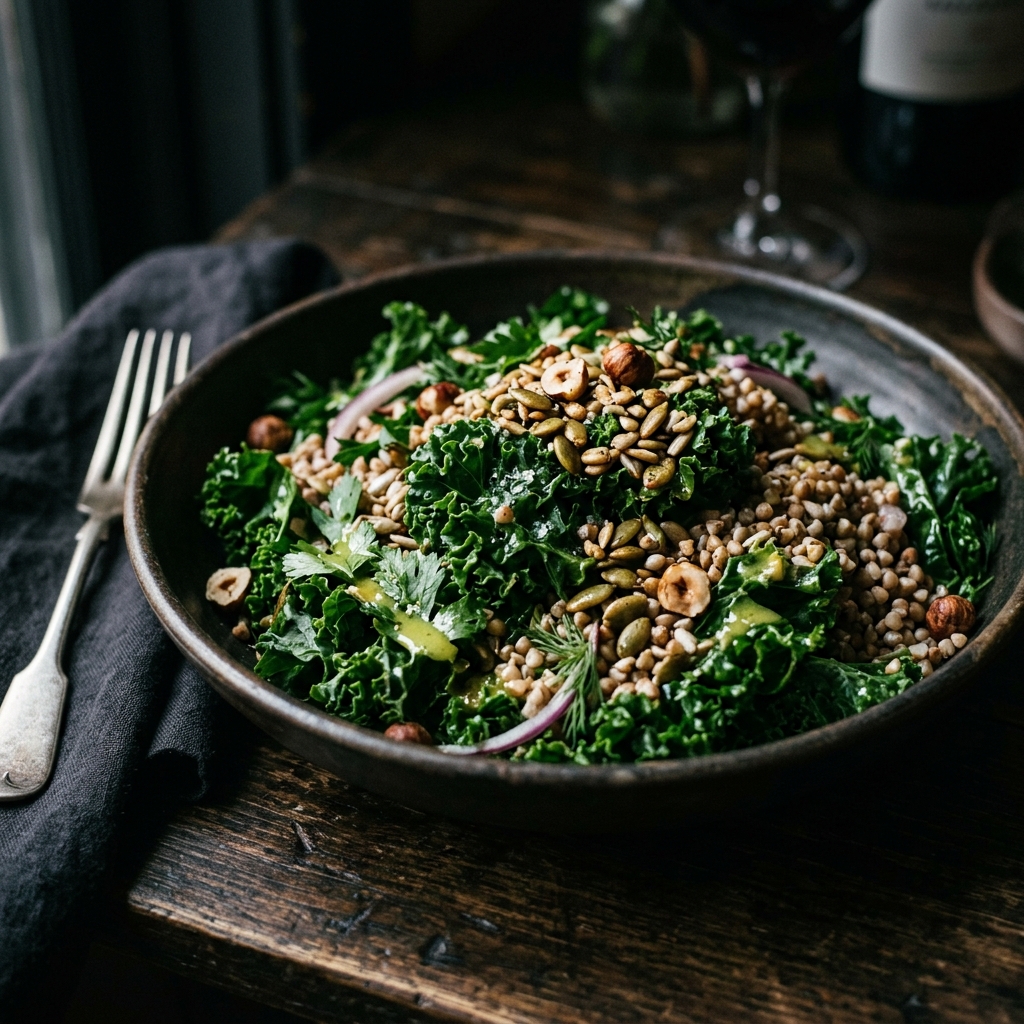
Rutin-Enriched Grain Bowl
A preparation focusing on the synergy between buckwheat's rutin and the Vitamin C in leafy greens.
Research Focus
Pairs rutin with Vitamin C to enhance capillary strength and optimize cardiovascular endothelial function.
Rinse and boil buckwheat groats for 12 minutes until tender but firm.
Drain and toss with finely chopped kale while warm to slightly wilt leaves.
Top with pumpkin seeds and a liberal amount of lemon tahini dressing.
The Vitamin C in the dressing enhances the capillary-strengthening effects of rutin.
Research Ingredients
- 1/2 cup Buckwheat Groats
- 1 cup Kale
- 1 tbsp Pumpkin Seeds
- 1 serving Lemon Tahini Dressing
Nourishing Focus
Pairs rutin with Vitamin C to enhance capillary strength and optimize cardiovascular endothelial function.
How to Use Buckwheat for Health
Daily Routine
To maximize the bioavailability of its active compounds, Buckwheat should be consumed intentionally.
Form Preference
It is best consumed in its raw or minimally processed form to preserve its delicate enzymatic structure and heat-sensitive antioxidants.
Synergistic Pairings
Optimal Timing
- In the morning on an empty stomach to enhance absorption.
- As a pre-workout or midday snack to provide sustained cellular energy.
- During the largest meal of the day to leverage its synergistic effects with other nutrients.
Sourcing & Preparation
Research Grade Equipment


* As an Amazon Associate I earn from qualifying purchases. See our full disclosure.
Scientific Analysis & Research Insights
ABSTRACT
A systematic review and meta-analysis demonstrate that buckwheat consumption significantly improves cardiometabolic health and lipid profiles.
CAP-measured reduction in blood vessel permeability
Improved postprandial insulin response in diabetic subjects
Significant reduction in total and LDL cholesterol
High concentration of protective phytic acid
RESEARCH SPECS
Robust evidence for buckwheat in cardiovascular and metabolic protection.
foodDetail.researchDisclaimer
Frequently Asked Questions about Buckwheat
Is buckwheat good for cardiovascular integrity?
Yes, buckwheat is excellent for cardiovascular integrity. Primary dietary source of rutin, a flavonoid that strengthens capillaries and inhibits platelet aggregation.
Can I eat buckwheat every day?
Yes, incorporating buckwheat into your daily diet is generally considered safe and highly beneficial. Buckwheat provides a consistent source of essential nutrients and bioactive compounds that support long-term health.
What is the healthiest way to eat buckwheat?
The healthiest way to consume buckwheat is often boiled groats, which is direct consumption as a nutrient-dense whole grain alternative.
Who should avoid buckwheat?
While buckwheat is safe for most people, those with specific food allergies or medical conditions should always consult with a healthcare professional or nutritionist before making significant dietary changes.