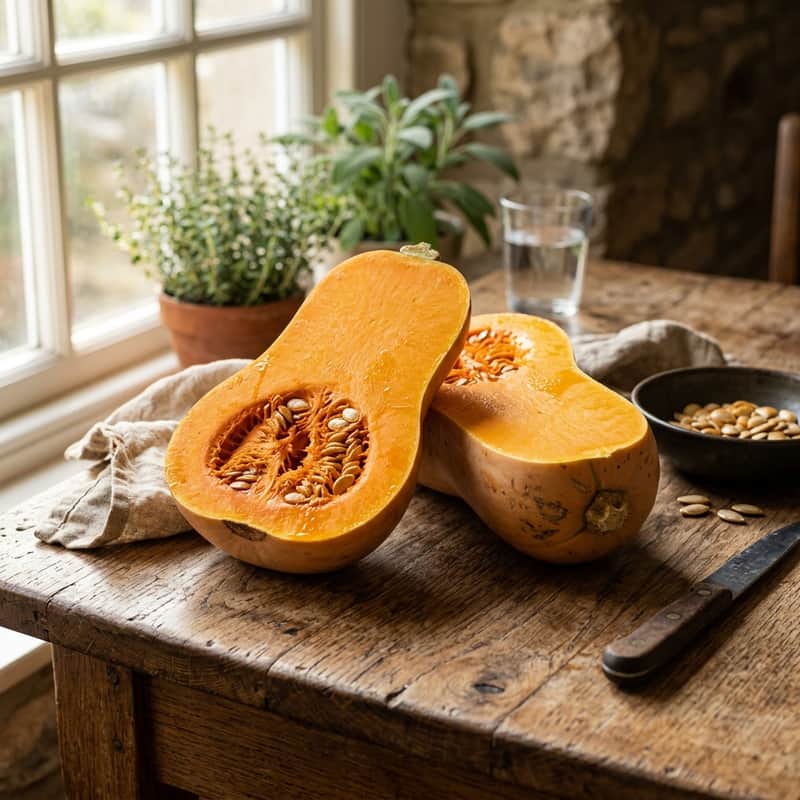
Butternut Squash
Cucurbita moschata
Clinical Overview
Butternut Squash is widely recognized in nutritional science for its profound impact on human health. Historically utilized in traditional practices across the globe, it has recently gained significant attention from modern clinical researchers. Butternut squash is a nutrient-dense winter squash known for its sweet, nutty flavor and exceptionally high levels of beta-carotene, antioxidants, and dietary fiber, supporting immune, ocular, and metabolic health. The clinical significance of Butternut Squash cannot be overstated. By providing the body with a dense concentration of bioavailable nutrients, it actively supports metabolic homeostasis, enhances immune resilience, and fosters long-term longevity. Ultimately, Butternut Squash exemplifies the philosophy that food is medicine. By prioritizing such nutrient-dense whole foods, individuals can proactively engineer their health and build robust resilience against modern dietary pitfalls.
Nutrient Profile
Health Benefits
Metabolic Health
Rich in complex carbohydrates and pectin, it helps modulate blood glucose levels and improves insulin sensitivity.
Ocular Protection
Contains massive amounts of beta-carotene, lutein, and zeaxanthin, which protect the retina against oxidative stress and age-related macular degeneration.
Immune Support
High levels of Vitamin C and Vitamin A fortify the immune system and support cellular defense mechanisms.
Preparation Guide
Roasted
Best For: Roasting caramelizes the natural sugars and enhances the bioavailability of fat-soluble beta-carotene when cooked with healthy fats.
Nourishing Recipes
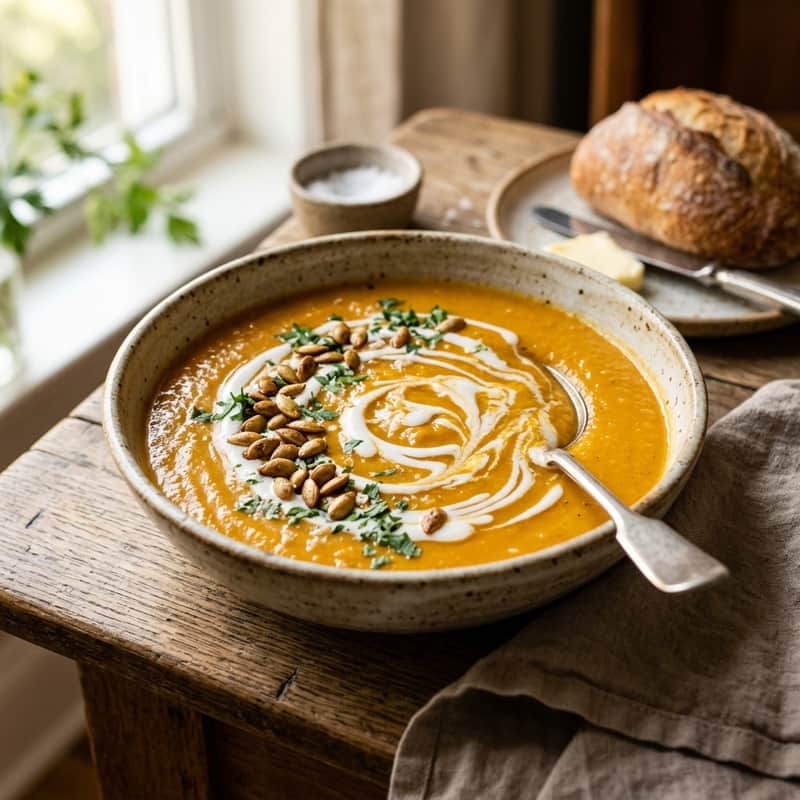
Creamy Roasted Butternut Squash Soup
A velvety, anti-inflammatory soup rich in beta-carotene and healthy fats.
Research Focus
Designed to maximize beta-carotene absorption and provide deep, soothing nourishment for the gut.
Preheat oven to 400°F (200°C) and roast squash halves face down for 45 minutes until tender.
Scoop out the flesh and blend with vegetable broth and coconut milk until perfectly smooth.
Simmer the blended soup over medium heat for 10 minutes to meld flavors.
Serve warm, garnished with a swirl of coconut milk and toasted pumpkin seeds.
Research Ingredients
- 1 large butternut squash, halved and seeded
- 2 tablespoons olive oil
- 1 cup coconut milk
- 2 cups vegetable broth
- 1/4 cup toasted pumpkin seeds
Nourishing Focus
Designed to maximize beta-carotene absorption and provide deep, soothing nourishment for the gut.
How to Use Butternut Squash for Health
Daily Routine
1/2 to 1 cup per serving.
Form Preference
Best when roasted or pureed into soups.
Synergistic Pairings
Optimal Timing
- Soups
- Roasted sides
- Curries
Sourcing & Preparation
Research Grade Equipment


* As an Amazon Associate I earn from qualifying purchases. See our full disclosure.
Scientific Analysis & Research Insights
ABSTRACT
Clinical research highlights Cucurbita species for their profound antidiabetic properties, strong antioxidant capacity, and potential to support cardiovascular health by improving lipid profiles.
Demonstrates significant hypoglycemic effects and modulates blood glucose.
Exhibits potent antioxidant activity due to high carotenoid content.
RESEARCH SPECS
Acts as a powerful functional food for metabolic regulation and oxidative stress defense.
foodDetail.researchDisclaimer
Frequently Asked Questions about Butternut Squash
What makes Butternut Squash uniquely beneficial compared to other foods in its category?
Butternut Squash contains a specific matrix of phytonutrients and antioxidants that are highly bioavailable. Unlike isolated supplements, the whole-food structure of Butternut Squash ensures that its active compounds are absorbed efficiently and utilized optimally by the body's metabolic pathways.
Can I consume Butternut Squash every day?
Yes, daily consumption is generally considered safe and highly beneficial for most individuals. Consistency is key when leveraging whole foods for clinical outcomes, as the body relies on a steady influx of these micronutrients to maintain cellular health and homeostasis.
How does Butternut Squash interact with the gut microbiome?
The complex fibers and specific polyphenols found in Butternut Squash act as powerful prebiotics. They selectively nourish beneficial gut flora, enhancing the production of short-chain fatty acids (SCFAs) which are crucial for maintaining the integrity of the gut lining and modulating systemic inflammation.