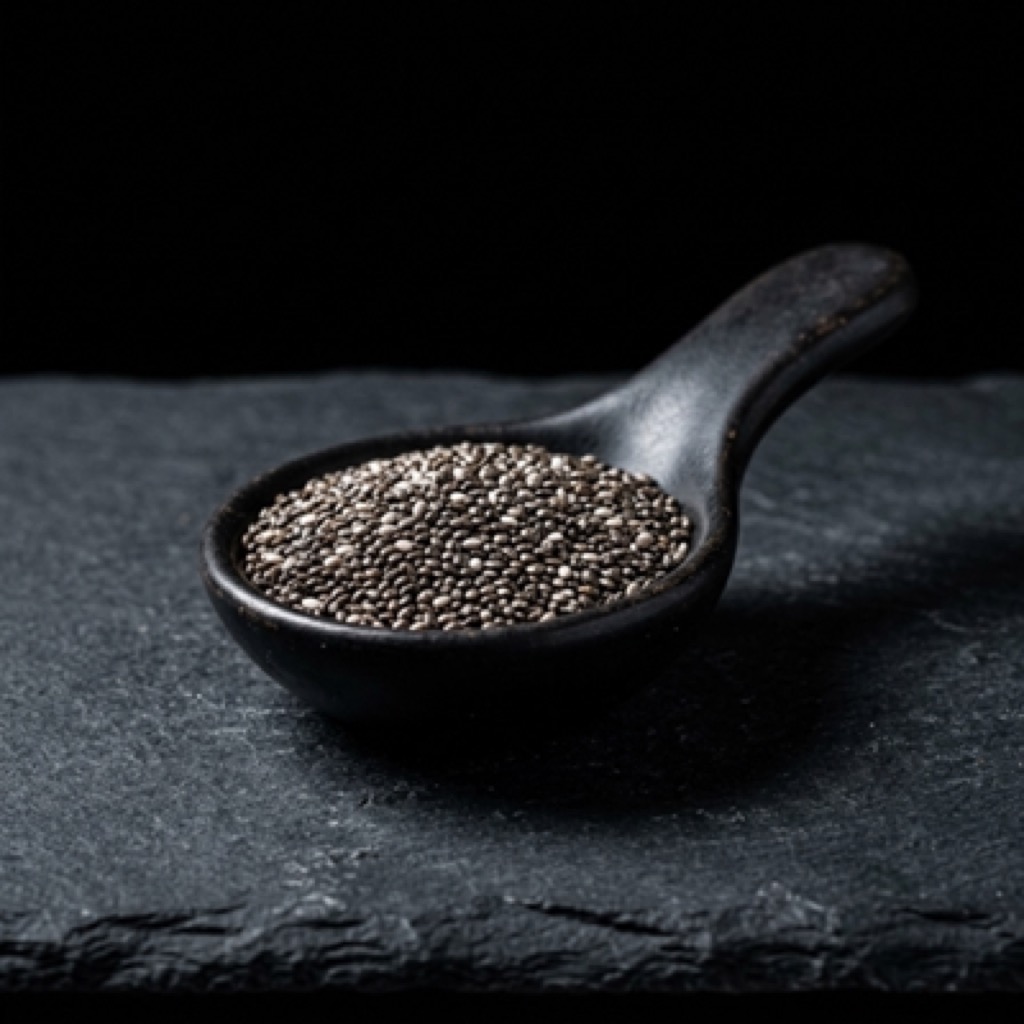
Chia Seeds
Salvia hispanica
Clinical Overview
Renowned for its extraordinary phytochemical profile, Chia Seeds represents a cornerstone of functional nutrition. It provides an unparalleled matrix of essential micronutrients, powerful antioxidants, and unique bioactive compounds. Tiny black and white seeds from the desert plant Salvia hispanica. They are a staple of ancient Aztec and Mayan diets. In the realm of preventative health, Chia Seeds is considered a powerhouse. Its intricate nutritional architecture provides the exact substrate required by the body's enzymatic systems to neutralize free radicals and regulate inflammatory pathways. Furthermore, regular consumption of Chia Seeds has been linked to profound improvements in overall vitality. As researchers continue to uncover the depth of its benefits, it remains one of the most highly recommended dietary additions for those seeking peak health.
Nutrient Profile
Health Benefits
Intestinal Health
Almost all of the carbohydrates in chia are fiber, which can absorb up to 12 times its weight in water, aiding in satiety and digestion.
Bone Health
Rich in calcium, phosphorus, and magnesium, offering a non-dairy way to support bone mineral density.
Heart Protection
High levels of alpha-linolenic acid (ALA) help lower blood pressure and reduce chronic inflammation.
Preparation Guide
Raw and unsalted versions preserve sensitive fatty acids like Omega-3s.
Best For: Maximizing nutrient absorption and digestibility
Alternative Usage
Best For: Nut/seed butters (without added sugars) are a viable alternative.
Nourishing Recipes
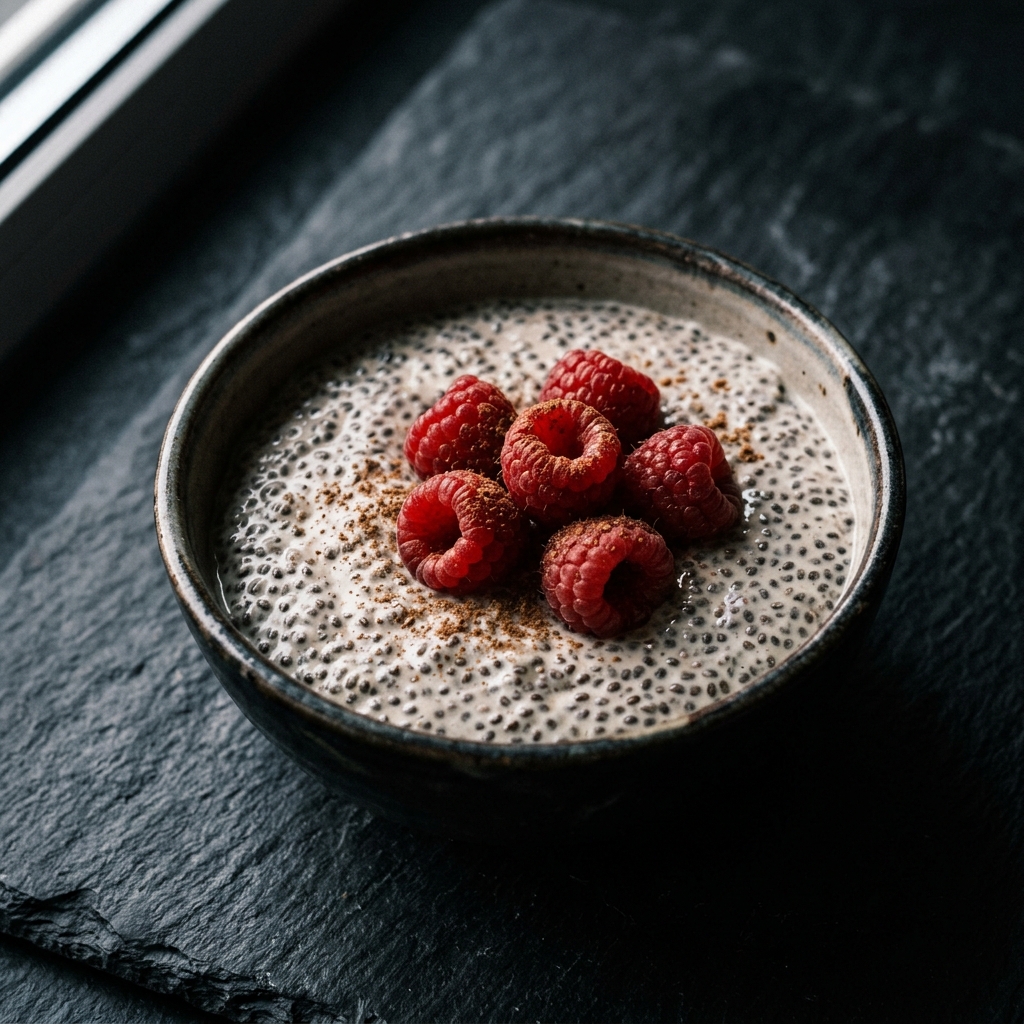
Omega-3 Hydro-Mucilage Pudding
A high-fiber, hydrating gel preparation that optimizes intestinal transit and provides a sustained release of ALA.
Research Focus
Maximizes mucilaginous fiber for gut lining repair and delivers concentrated alpha-linolenic acid (ALA).
Combine chia seeds and almond milk in a glass jar.
Whisk vigorously for 2 minutes to prevent clumping and initiate mucilage formation.
Refrigerate for at least 4 hours to allow the seeds to fully hydrate (absorbing 12x their weight).
Top with raspberries and cinnamon for added antioxidant and glycemic support.
Research Ingredients
- 3 tbsp Organic Black Chia Seeds
- 1 cup Unsweetened Almond Milk
- 1/2 tsp Ceylon Cinnamon
- 4-5 Fresh Raspberries
Nourishing Focus
Maximizes mucilaginous fiber for gut lining repair and delivers concentrated alpha-linolenic acid (ALA).
How to Use Chia Seeds for Health
Daily Routine
To maximize the bioavailability of its active compounds, Chia Seeds should be consumed intentionally.
Form Preference
It is best consumed in its raw or minimally processed form to preserve its delicate enzymatic structure and heat-sensitive antioxidants.
Synergistic Pairings
Optimal Timing
- In the morning on an empty stomach to enhance absorption.
- As a pre-workout or midday snack to provide sustained cellular energy.
- During the largest meal of the day to leverage its synergistic effects with other nutrients.
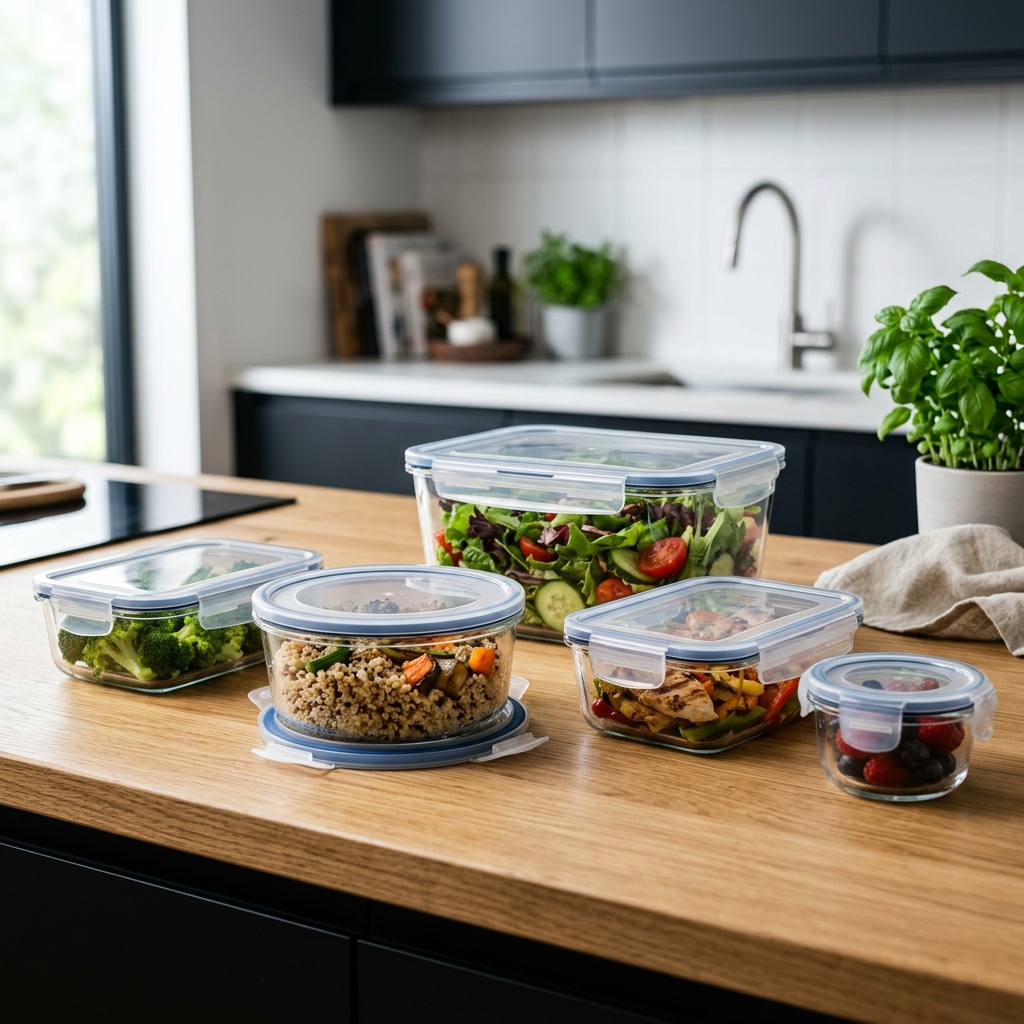
Sourcing & Preparation
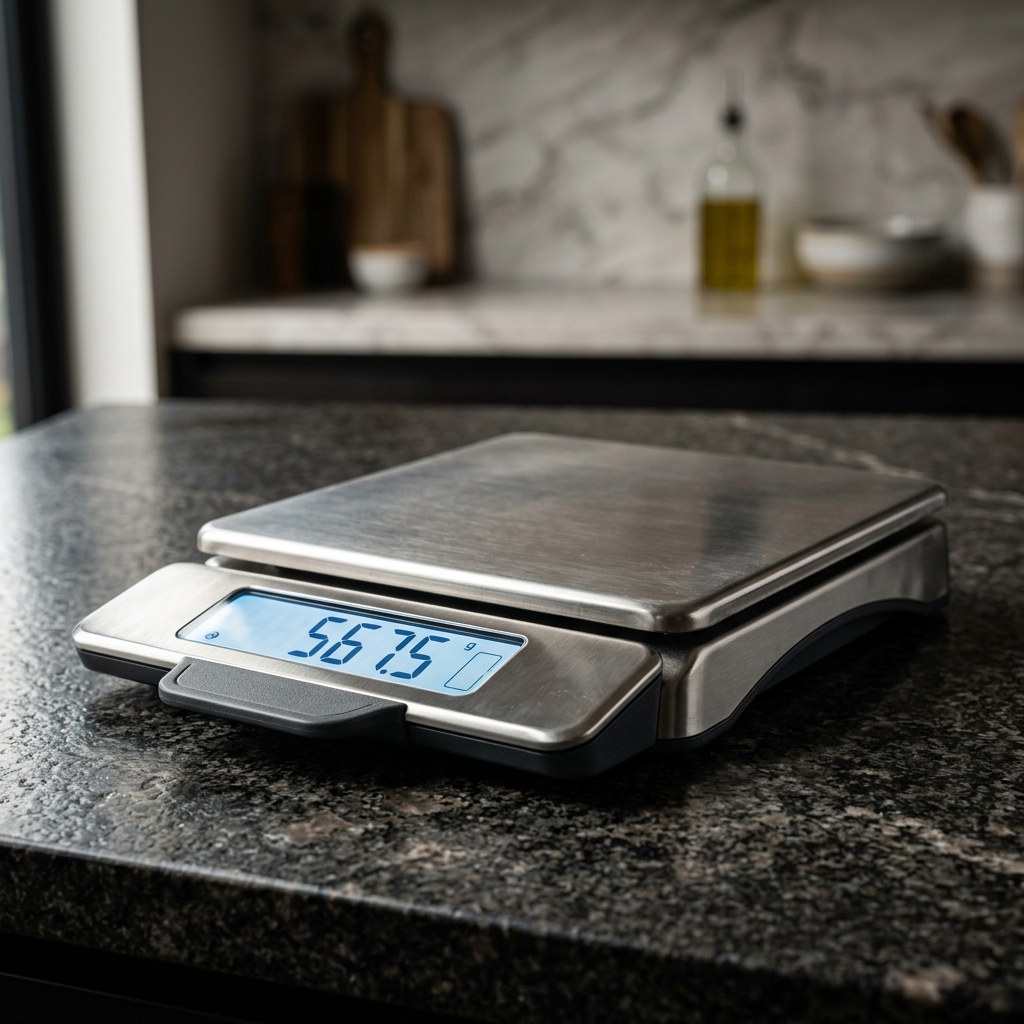
Research Grade Equipment
* As an Amazon Associate I earn from qualifying purchases. See our full disclosure.
Scientific Analysis & Research Insights
ABSTRACT
A 2024 meta-analysis confirms that chia seed supplementation significantly improves blood pressure and body composition in clinical subjects.
Significant reduction in systolic blood pressure
Improvement in waist circumference and body fat
Increase in plasma ALA omega-3 levels
Proven heart-health functional food
RESEARCH SPECS
High-fidelity evidence for Chia in BP and metabolic management.
foodDetail.researchDisclaimer
Frequently Asked Questions about Chia Seeds
Are chia seeds good for intestinal health?
Yes, chia seeds are excellent for intestinal health. Almost all of the carbohydrates in chia are fiber, which can absorb up to 12 times its weight in water, aiding in satiety and digestion.
Can I eat chia seeds every day?
Yes, incorporating chia seeds into your daily diet is generally considered safe and highly beneficial. Chia Seeds provide a consistent source of essential nutrients and bioactive compounds that support long-term health.
What is the healthiest way to eat chia seeds?
The healthiest way to consume chia seeds is often chia pudding, which is soaking in plant milk overnight for a nutrient-dense, creamy breakfast base.
Who should avoid chia seeds?
While chia seeds are safe for most people, those with specific food allergies or medical conditions should always consult with a healthcare professional or nutritionist before making significant dietary changes.