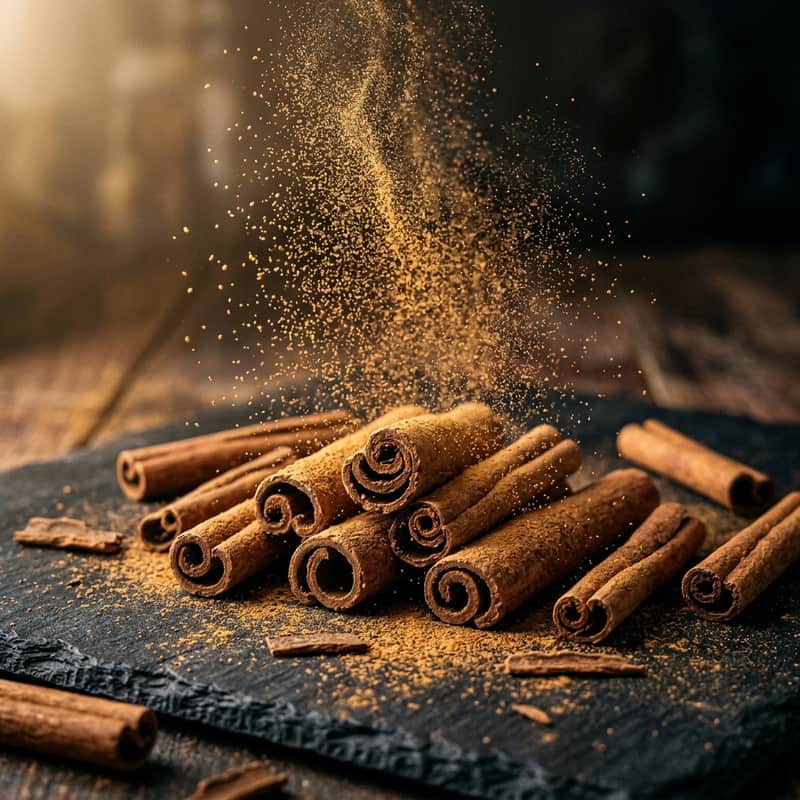
Cinnamon
Cinnamomum verum
Clinical Overview
Renowned for its extraordinary phytochemical profile, Cinnamon represents a cornerstone of functional nutrition. It provides an unparalleled matrix of essential micronutrients, powerful antioxidants, and unique bioactive compounds. A highly aromatic, prized culinary spice made from the inner bark of Cinnamomum trees. Cinnamon is a metabolic powerhouse clinically validated for stabilizing fasting plasma glucose, lowering postprandial glucose spikes, and improving insulin sensitivity in prediabetic populations. In the realm of preventative health, Cinnamon is considered a powerhouse. Its intricate nutritional architecture provides the exact substrate required by the body's enzymatic systems to neutralize free radicals and regulate inflammatory pathways. Furthermore, regular consumption of Cinnamon has been linked to profound improvements in overall vitality. As researchers continue to uncover the depth of its benefits, it remains one of the most highly recommended dietary additions for those seeking peak health.
Nutrient Profile
Health Benefits
Glycemic Regulation
Mimics insulin actions and improves insulin sensitivity, stabilizing fasting plasma glucose levels in metabolic syndrome.
Vascular Health
Rich in cinnamic acid and cinnamaldehyde, which help relax blood vessels and support overall cardiovascular elasticity.
Systemic Anti-inflammatory Support
Strong polyphenols block key inflammatory triggers (NF-kB), reducing chronic systemic markers.
Preparation Guide
Ceylon cinnamon bark or freshly ground powder is preferred to avoid Cassia coumarin content.
Best For: Maximizing nutrient absorption and digestibility
Alternative Usage
Best For: Cardamom or Fenugreek for complementary metabolic and glycemic support.
Nourishing Recipes
Prediabetes Glycemic Guard Tea
A soothing, aromatic warm beverage made from slow-steeped Ceylon cinnamon bark and star anise to support fasting blood glucose levels.
Research Focus
Delivers bioavailable cinnamaldehyde to cellular insulin receptors to assist immediate glucose clearance.
Lightly crush the Ceylon cinnamon stick to open up the internal bark layers.
Place the cinnamon stick and star anise in a heat-resistant glass mug.
Pour hot filtered water (190°F) over the spices, cover to trap the aromatic compounds, and steep for 12 minutes.
Uncover, float the lemon slice on top, and consume warm.

Research Ingredients
- 1 Ceylon Cinnamon Bark Stick
- 1 Star Anise
- 1 thin slice Organic Lemon
- 1.5 cups Hot Filtered Water
Nourishing Focus
Delivers bioavailable cinnamaldehyde to cellular insulin receptors to assist immediate glucose clearance.
How to Use Cinnamon for Health
Daily Routine
To maximize the bioavailability of its active compounds, Cinnamon should be consumed intentionally.
Form Preference
It is best consumed in its raw or minimally processed form to preserve its delicate enzymatic structure and heat-sensitive antioxidants.
Synergistic Pairings
Optimal Timing
- In the morning on an empty stomach to enhance absorption.
- As a pre-workout or midday snack to provide sustained cellular energy.
- During the largest meal of the day to leverage its synergistic effects with other nutrients.
Sourcing & Preparation
Research Grade Equipment


* As an Amazon Associate I earn from qualifying purchases. See our full disclosure.
Scientific Analysis & Research Insights
ABSTRACT
A double-blind, randomized controlled trial proving that 12 weeks of standardized cinnamon supplementation significantly stabilizes fasting blood glucose and lowers the overall glucose excursion during an oral glucose tolerance test in individuals with prediabetes.
Significant stabilization of fasting plasma glucose levels over 12 weeks
Marked reduction in the glucose excursion area under the curve during OGTT
No major adverse clinical events or hepatic toxicity reported
Favorable delay in the metabolic progression from prediabetes to Type 2 diabetes
RESEARCH SPECS
Establishes Cinnamon as a highly accessible and effective dietary tool for clinical glycemic management.
foodDetail.researchDisclaimer
Frequently Asked Questions about Cinnamon
What is the difference between Cassia and Ceylon cinnamon?
Ceylon cinnamon ('true' cinnamon) is superior for daily therapeutic use because it contains negligible levels of coumarin, a natural substance that can be toxic to the liver in high doses. Cassia cinnamon has much higher coumarin levels.
Can cinnamon lower blood sugar?
Yes, extensive clinical trials confirm that cinnamon stabilizes fasting plasma glucose and lowers blood sugar spikes by increasing insulin sensitivity and aiding cellular glucose uptake.
Can I eat cinnamon every day?
Yes, consuming 1/2 to 1 teaspoon of Ceylon cinnamon daily is highly safe, therapeutic, and excellent for long-term metabolic health.
Who should avoid high-dose cinnamon?
Individuals on active blood-thinning medications or those taking high-dose diabetic drugs should monitor their levels closely and consult their physician before starting therapeutic doses.