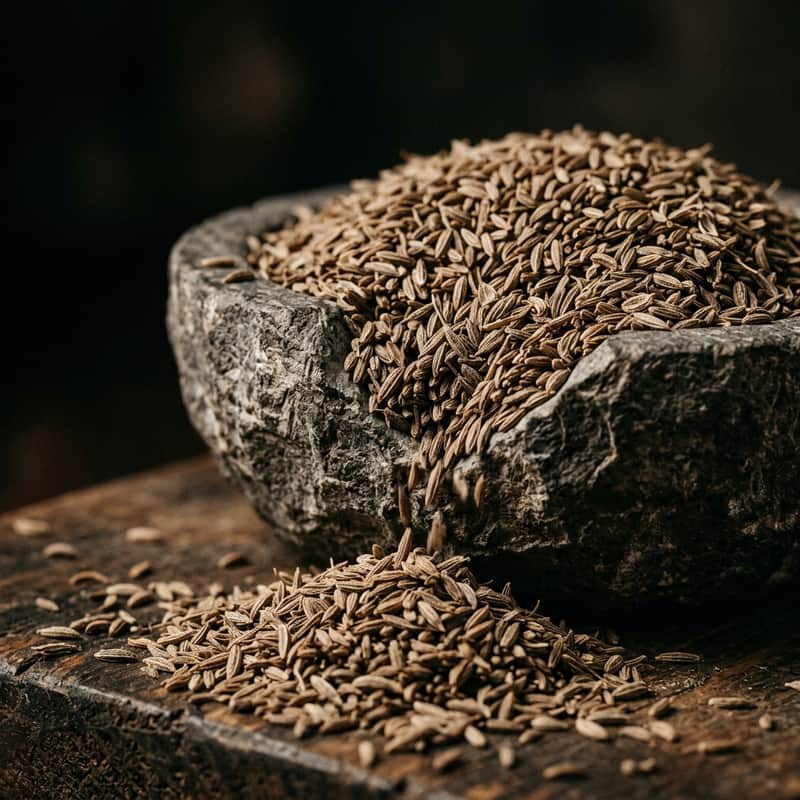
Cumin
Cuminum cyminum
Clinical Overview
Cumin is widely recognized in nutritional science for its profound impact on human health. Historically utilized in traditional practices across the globe, it has recently gained significant attention from modern clinical researchers. A highly aromatic annual spice native to the eastern Mediterranean. Cumin seeds are packed with bioactive phytosterols and cuminaldehyde, clinically proven to reduce body weight, BMI, waist circumference, and fat mass, while significantly improving lipid profiles in overweight individuals. The clinical significance of Cumin cannot be overstated. By providing the body with a dense concentration of bioavailable nutrients, it actively supports metabolic homeostasis, enhances immune resilience, and fosters long-term longevity. Ultimately, Cumin exemplifies the philosophy that food is medicine. By prioritizing such nutrient-dense whole foods, individuals can proactively engineer their health and build robust resilience against modern dietary pitfalls.
Nutrient Profile
Health Benefits
Weight & Fat Reduction
Clinically proven to reduce body weight, BMI, waist circumference, and fat mass over a 3-month period.
Lipid Profile Regulation
Significantly decreases serum triglycerides, LDL-cholesterol, and total cholesterol, while raising protective HDL-cholesterol.
Iron Deficit Protection
One of the densest plant sources of bioavailable iron, crucial for oxygen transport and cellular energy production.
Preparation Guide
Freshly toasted cumin seeds or freshly ground powder is preferred to avoid active cuminaldehyde.
Best For: Maximizing nutrient absorption and digestibility
Alternative Usage
Best For: Coriander or Fennel seeds for similar warming digestive benefits.
Nourishing Recipes
Cuminaldehyde Lentil Soup
A comforting, fiber-dense yellow lentil soup seasoned with toasted cumin seed oil and fresh cilantro to support healthy lipid metabolism.
Research Focus
Combines dense plant-based fiber with cuminaldehyde to assist bile excretion and lower circulating LDL-cholesterol.
Simmer lentils in the vegetable broth for 20 minutes until completely soft.
In a small pan, dry-toast the cumin seeds for 1 minute until fragrant.
Stir the ground cumin powder and toasted seeds directly into the soup.
Ladle into a bowl and garnish with fresh cilantro. Serve warm.
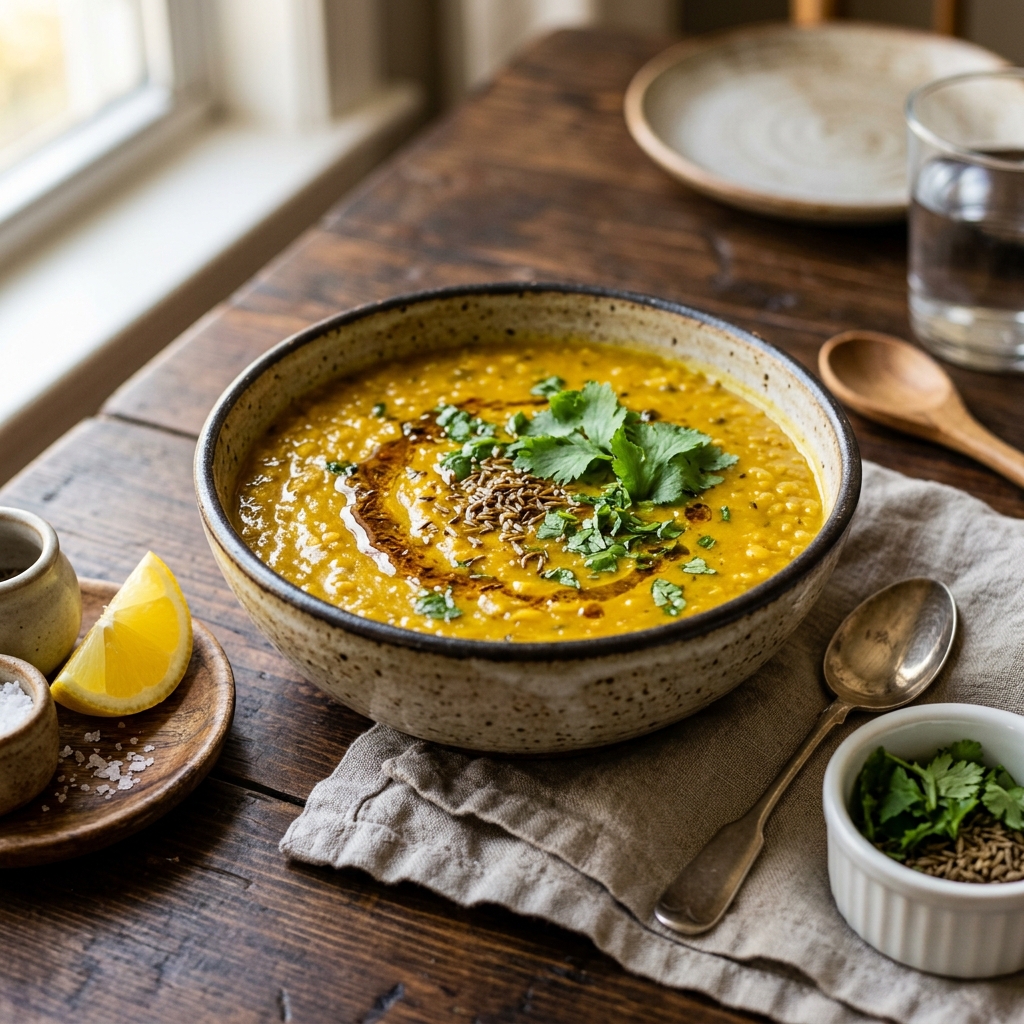
Research Ingredients
- 1/2 cup Yellow Split Lentils (washed)
- 1 tsp Cumin Seeds (freshly toasted)
- 1/2 tsp Ground Cumin Powder
- 1/4 cup Fresh Cilantro (chopped)
- 2 cups Vegetable Broth
Nourishing Focus
Combines dense plant-based fiber with cuminaldehyde to assist bile excretion and lower circulating LDL-cholesterol.
How to Use Cumin for Health
Daily Routine
To maximize the bioavailability of its active compounds, Cumin should be consumed intentionally.
Form Preference
It is best consumed in its raw or minimally processed form to preserve its delicate enzymatic structure and heat-sensitive antioxidants.
Synergistic Pairings
Optimal Timing
- In the morning on an empty stomach to enhance absorption.
- As a pre-workout or midday snack to provide sustained cellular energy.
- During the largest meal of the day to leverage its synergistic effects with other nutrients.
Sourcing & Preparation
Research Grade Equipment


* As an Amazon Associate I earn from qualifying purchases. See our full disclosure.
Scientific Analysis & Research Insights
ABSTRACT
A randomized controlled clinical trial proving that daily supplementation of 3 grams of cumin powder with yogurt for 3 months significantly decreases body weight, BMI, waist circumference, and fat mass, while drastically improving blood lipid markers.
Significant reduction in body weight, BMI, and fat mass over 3 months
Drastic decrease in serum triglycerides and LDL-cholesterol levels
Marked increase in protective HDL-cholesterol levels compared to control
Proven safety and excellent compliance in clinical subjects
RESEARCH SPECS
Validates Cumin as a primary, powerful culinary spice for weight management and lipid profile regulation.
foodDetail.researchDisclaimer
Frequently Asked Questions about Cumin
How does cumin help with weight loss?
Cumin contains phytosterols that block cholesterol absorption in the gut. Additionally, its active volatile compound, cuminaldehyde, helps speed up baseline metabolism and supports healthy digestion, contributing to body weight and fat mass reduction.
Is cumin good for digestion?
Yes, cumin is a classic carminative. It stimulates the secretion of pancreatic enzymes, which are critical for complete nutrient breakdown and digestion, reducing bloating and gas.
How much cumin should I eat daily?
Consuming 3 grams (approx. 1 teaspoon) of cumin powder daily is the clinically tested dose shown to support body composition and lipid metrics.
Are there any side effects of cumin?
Cumin is highly safe for daily consumption. However, individuals taking blood-sugar-lowering medications should monitor their blood glucose levels as cumin can have mild hypoglycemic actions.