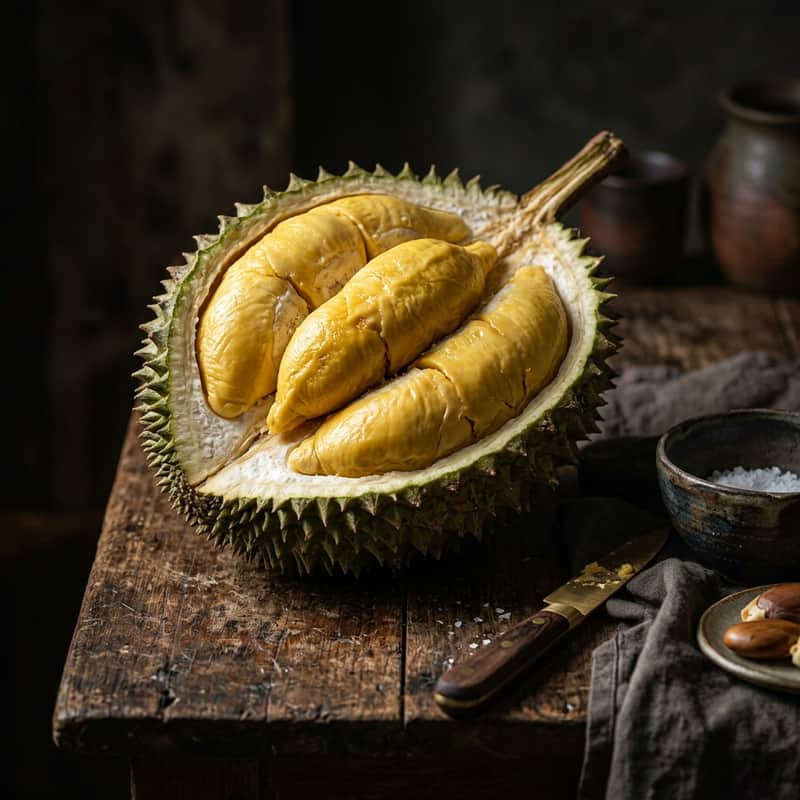
Durian
Durio zibethinus
Clinical Overview
Durian, often polarizing due to its potent aroma, is an exceptionally nutrient-dense tropical fruit widely referred to as the 'King of Fruits'. Its rich, custard-like golden flesh is a powerhouse of organosulfur compounds, which are known to reduce inflammation and support cardiovascular resilience. Uniquely among fruits, durian contains a high concentration of B-complex vitamins, particularly B6, and the essential amino acid tryptophan. This rare combination directly supports neurotransmitter synthesis, significantly boosting serotonin production for enhanced mood and sleep regulation. Furthermore, its impressive potassium levels help manage blood pressure, while its high dietary fiber content promotes digestive health and stabilizes blood sugar levels. Despite its high caloric density from healthy monounsaturated fats, durian's rich biochemical profile makes it a highly valuable functional food for cellular energy and immune support.
Nutrient Profile
Health Benefits
Mood & Sleep
High levels of tryptophan and vitamin B6 boost serotonin and melatonin production, naturally supporting emotional regulation and deep sleep.
Cardiovascular Health
Rich in potassium and organosulfur compounds that help dilate blood vessels, reducing blood pressure and arterial stiffness.
Immune Resilience
Abundant in Vitamin C and powerful antioxidants that neutralize free radicals and strengthen immune defense mechanisms.
Preparation Guide
Raw Consumption
Best For: Preserving volatile organosulfur compounds, heat-sensitive vitamins, and the natural enzymatic profile.
Fermented (Tempoyak)
Best For: Enhancing gut health by introducing beneficial probiotic bacteria while increasing the bioavailability of specific nutrients.
Nourishing Recipes
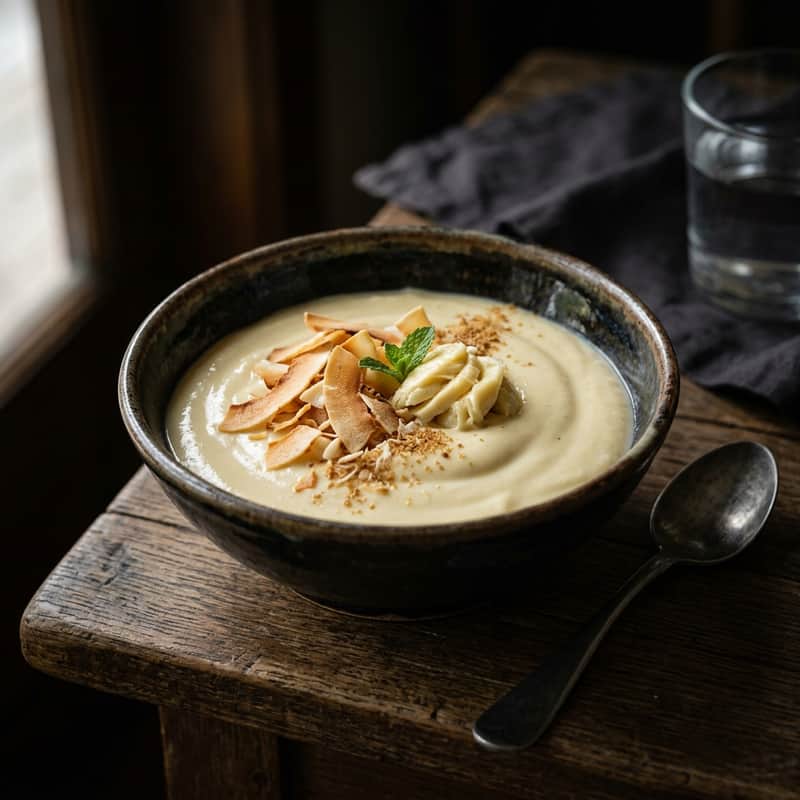
Functional Durian & Coconut Recovery Cream
A nutrient-dense, plant-based cream designed to replenish electrolytes, boost serotonin, and provide sustained cellular energy.
Research Focus
Neurotransmitter synthesis and metabolic recovery.
Carefully extract 1 cup of fresh, ripe durian flesh, removing all seeds.
In a blender, combine the durian flesh with 1/2 cup of raw coconut cream and a pinch of pink Himalayan salt.
Blend on high until a completely smooth, pudding-like consistency is achieved.
Chill for 1 hour before serving to enhance the texture and balance the aroma.
Research Ingredients
- 1 cup fresh durian flesh
- 1/2 cup raw coconut cream
- Pinch of pink Himalayan salt
Nourishing Focus
Neurotransmitter synthesis and metabolic recovery.
How to Use Durian for Health
Daily Routine
1 to 2 segments (approx. 100g) per day.
Form Preference
Best consumed fresh and raw to maximize antioxidant and vitamin bioavailability.
Synergistic Pairings
Optimal Timing
- In the afternoon or early evening; the high tryptophan content naturally supports the transition to sleep.
Sourcing & Preparation
Research Grade Equipment


* As an Amazon Associate I earn from qualifying purchases. See our full disclosure.
Scientific Analysis & Research Insights
ABSTRACT
Clinical research underscores the functional properties of durian, particularly its high antioxidant capacity and cardioprotective effects.
Durian extracts demonstrate potent radical scavenging activity and inhibit lipid peroxidation, suggesting significant cardiovascular benefits.
RESEARCH SPECS
Moderate consumption of durian can significantly elevate plasma antioxidant capacity without adversely affecting lipid profiles.
foodDetail.researchDisclaimer
Frequently Asked Questions about Durian
Why does durian have such a strong odor?
The intense aroma of durian is primarily due to a complex mixture of volatile organosulfur compounds, notably ethanethiol and its derivatives, which are also responsible for many of its cardiovascular benefits.
Is durian healthy despite its high fat content?
Yes. While calorically dense, the fats in durian are predominantly healthy monounsaturated fats (like oleic acid) which support heart health and the absorption of fat-soluble vitamins.
Can durian be consumed by diabetics?
Durian has a lower glycemic index than expected due to its fat and fiber content, but because it is calorie and carbohydrate-dense, it should be consumed in moderation by individuals managing blood sugar.