
Edamame
Glycine max
Clinical Overview
Renowned for its extraordinary phytochemical profile, Edamame represents a cornerstone of functional nutrition. It provides an unparalleled matrix of essential micronutrients, powerful antioxidants, and unique bioactive compounds. Young, immature soybeans harvested before they ripen. Edamame is a nutritional powerhouse, offering a complete profile of essential amino acids alongside dietary fiber, folate, and vitamin K. It is particularly valued for its high concentration of isoflavones, which have been heavily researched for their cardioprotective and bone-strengthening properties. In the realm of preventative health, Edamame is considered a powerhouse. Its intricate nutritional architecture provides the exact substrate required by the body's enzymatic systems to neutralize free radicals and regulate inflammatory pathways. Furthermore, regular consumption of Edamame has been linked to profound improvements in overall vitality. As researchers continue to uncover the depth of its benefits, it remains one of the most highly recommended dietary additions for those seeking peak health.
Nutrient Profile
Health Benefits
Cardiovascular Protection
The combination of high-quality plant protein, fiber, and isoflavones has been shown to significantly lower LDL cholesterol and improve overall blood lipid profiles.
Bone Mineral Density
Soy isoflavones structurally mimic estrogen and can bind to bone receptors, helping to reduce bone loss and increase mineral density, particularly in postmenopausal populations.
Muscle Synthesis
As one of the few plant-based complete proteins, edamame provides all nine essential amino acids required for muscle repair and enzymatic functions.
Preparation Guide
Steamed lightly in the pod with a pinch of sea salt, or shelled in salads and soups.
Best For: Maximizing nutrient absorption and digestibility
Alternative Usage
Best For: Dry roasted edamame for a crunchy, high-protein snack.
Nourishing Recipes
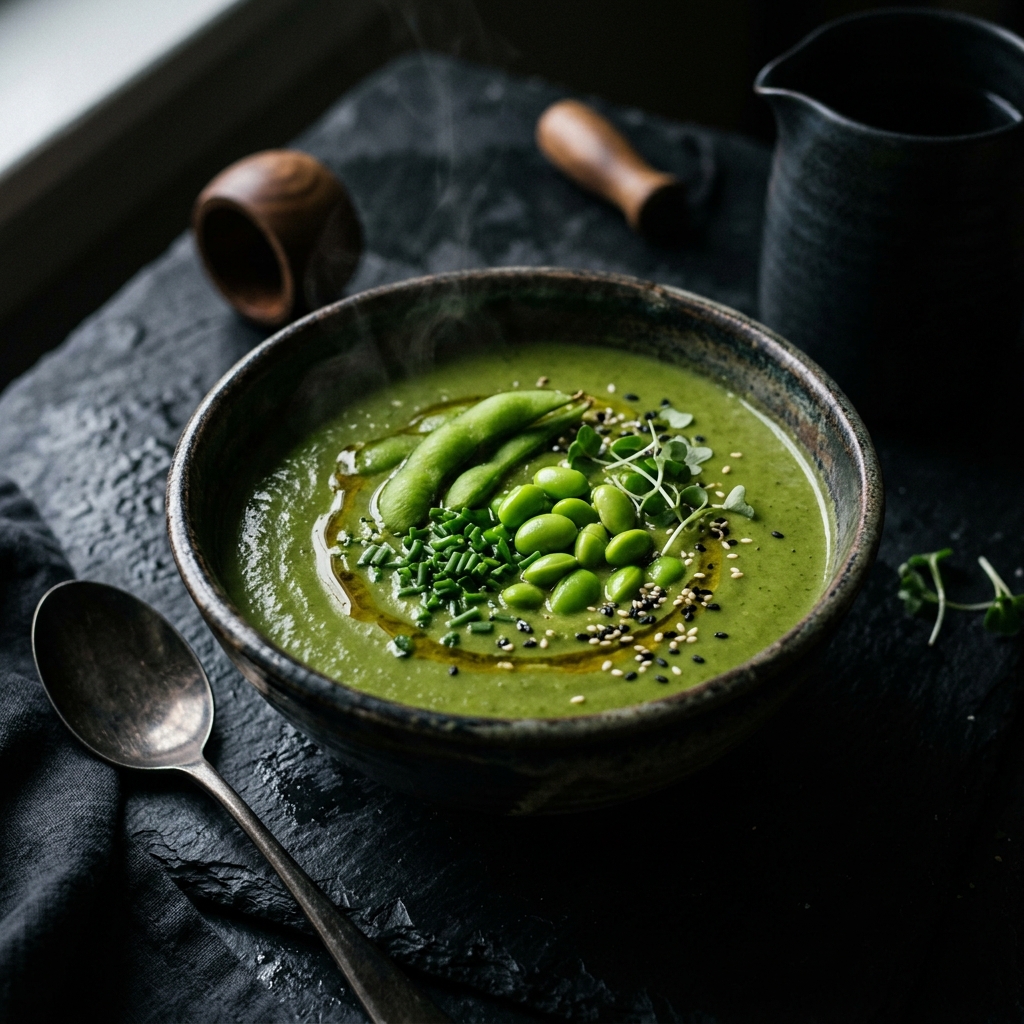
Edamame & Matcha Protein Soup
A vibrant, protein-packed green soup that combines the complete amino acids of edamame with the profound antioxidant power of ceremonial matcha.
Research Focus
Muscle recovery, cardiovascular support, and antioxidant defense.
Steam the shelled edamame until tender and vibrant green.
In a high-speed blender, combine the steamed edamame, hot vegetable broth, garlic, and sea salt.
Blend on high until completely smooth and creamy.
Add the matcha powder and pulse just until incorporated. Drizzle with sesame oil before serving.
Research Ingredients
- 1.5 cups shelled organic Edamame (steamed)
- 1/2 tsp ceremonial grade Matcha powder
- 1 cup vegetable broth or water
- 1 clove garlic
- 1 tsp sesame oil & a pinch of sea salt
Nourishing Focus
Muscle recovery, cardiovascular support, and antioxidant defense.
How to Use Edamame for Health
Daily Routine
To maximize the bioavailability of its active compounds, Edamame should be consumed intentionally.
Form Preference
It is best consumed in its raw or minimally processed form to preserve its delicate enzymatic structure and heat-sensitive antioxidants.
Synergistic Pairings
Optimal Timing
- In the morning on an empty stomach to enhance absorption.
- As a pre-workout or midday snack to provide sustained cellular energy.
- During the largest meal of the day to leverage its synergistic effects with other nutrients.
Sourcing & Preparation
Research Grade Equipment


* As an Amazon Associate I earn from qualifying purchases. See our full disclosure.
Scientific Analysis & Research Insights
ABSTRACT
Extensive clinical literature supports the consumption of whole soy foods like edamame for cardiovascular health. Meta-analyses indicate that soy protein and isoflavones significantly reduce serum total cholesterol, LDL cholesterol, and triglycerides.
Significant reduction in LDL cholesterol
Improvement in endothelial function
Preservation of bone mineral density
Inverse relationship with coronary heart disease risk
RESEARCH SPECS
Solidifies edamame as a therapeutic dietary intervention for managing dyslipidemia and protecting heart health.
foodDetail.researchDisclaimer
Frequently Asked Questions about Edamame
What makes Edamame uniquely beneficial compared to other foods in its category?
Edamame contains a specific matrix of phytonutrients and antioxidants that are highly bioavailable. Unlike isolated supplements, the whole-food structure of Edamame ensures that its active compounds are absorbed efficiently and utilized optimally by the body's metabolic pathways.
Can I consume Edamame every day?
Yes, daily consumption is generally considered safe and highly beneficial for most individuals. Consistency is key when leveraging whole foods for clinical outcomes, as the body relies on a steady influx of these micronutrients to maintain cellular health and homeostasis.
How does Edamame interact with the gut microbiome?
The complex fibers and specific polyphenols found in Edamame act as powerful prebiotics. They selectively nourish beneficial gut flora, enhancing the production of short-chain fatty acids (SCFAs) which are crucial for maintaining the integrity of the gut lining and modulating systemic inflammation.