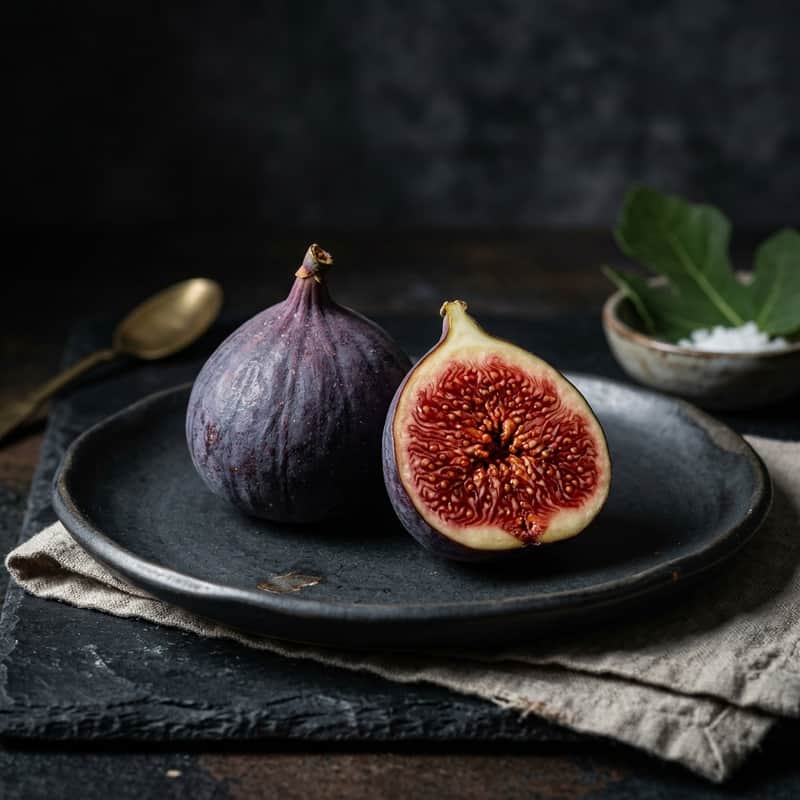
Fig
Ficus carica
Clinical Overview
Renowned for its extraordinary phytochemical profile, Fig represents a cornerstone of functional nutrition. It provides an unparalleled matrix of essential micronutrients, powerful antioxidants, and unique bioactive compounds. A sweet, pear-shaped deciduous fruit native to the Mediterranean and Western Asia. Figs are a clinical powerhouse rich in dietary fibers, magnesium, and polyphenol antioxidants, celebrated for their ability to improve chronic constipation, normalize bowel transit time, and support structural colon integrity. In the realm of preventative health, Fig is considered a powerhouse. Its intricate nutritional architecture provides the exact substrate required by the body's enzymatic systems to neutralize free radicals and regulate inflammatory pathways. Furthermore, regular consumption of Fig has been linked to profound improvements in overall vitality. As researchers continue to uncover the depth of its benefits, it remains one of the most highly recommended dietary additions for those seeking peak health.
Nutrient Profile
Health Benefits
Gastrointestinal Motility
High soluble and insoluble fibers draw water into the colon and add bulk to the stool, promoting peristaltic contractions and significantly accelerating colonic transit time.
Colorectal Support
Polyphenolic compounds and prebiotic fibers suppress inflammatory pathways in the bowel wall, feeding butyrate-producing bacteria to sustain healthy epithelial cells.
Vascular Integrity
Excellent potassium-to-sodium ratio helps regulate vascular tension, fluid balance, and blood pressure markers.
Preparation Guide
Pre-hydrated (stewed or soaked) to optimize digestion and bowel transit.
Best For: Maximizing nutrient absorption and digestibility
Alternative Usage
Best For: Prunes or Plums for similar bowel transit benefits.
Nourishing Recipes
High-Motility Fig Compote
A gentle, warm fig preparation designed to optimize gastrointestinal hydration and peristalsis.
Research Focus
Delivers highly concentrated, pre-hydrated fiber and natural bowel-stimulating minerals to relieve functional constipation.
Place the dried figs, diced pear, rosemary sprig, and lemon slices in a small saucepan.
Add the water and bring to a gentle simmer over medium-low heat.
Cover and cook for 15-20 minutes, until the fruits are soft and a thick syrup has formed.
Remove the rosemary sprig and lemon slices.
Allow to cool slightly and consume warm, ensuring all liquid (rich in soluble fiber) is consumed.

Research Ingredients
- 6 dried organic Figs (halved)
- 1 cup Purified Water
- 1 sprig Fresh Rosemary
- 1 Diced Pear
- 1/2 Lemon (sliced)
Nourishing Focus
Delivers highly concentrated, pre-hydrated fiber and natural bowel-stimulating minerals to relieve functional constipation.
How to Use Fig for Health
Daily Routine
To maximize the bioavailability of its active compounds, Fig should be consumed intentionally.
Form Preference
It is best consumed in its raw or minimally processed form to preserve its delicate enzymatic structure and heat-sensitive antioxidants.
Synergistic Pairings
Optimal Timing
- In the morning on an empty stomach to enhance absorption.
- As a pre-workout or midday snack to provide sustained cellular energy.
- During the largest meal of the day to leverage its synergistic effects with other nutrients.
Sourcing & Preparation
Research Grade Equipment


* As an Amazon Associate I earn from qualifying purchases. See our full disclosure.
Scientific Analysis & Research Insights
ABSTRACT
An 8-week randomized double-blind placebo-controlled trial demonstrated that daily supplementation with Ficus carica (fig) paste significantly reduced colonic transit time, improved stool consistency, and alleviated abdominal discomfort in subjects with functional constipation.
Significant reduction in colonic transit time
Marked improvement in stool consistency and Bristol scale scores
Favorable decrease in patient-reported abdominal discomfort
Proven safe for long-term therapeutic consumption with zero toxicity
RESEARCH SPECS
Positions fig paste as a clinically validated first-line nutritional therapy for functional constipation and colon health.
foodDetail.researchDisclaimer
Frequently Asked Questions about Fig
What makes Fig uniquely beneficial compared to other foods in its category?
Fig contains a specific matrix of phytonutrients and antioxidants that are highly bioavailable. Unlike isolated supplements, the whole-food structure of Fig ensures that its active compounds are absorbed efficiently and utilized optimally by the body's metabolic pathways.
Can I consume Fig every day?
Yes, daily consumption is generally considered safe and highly beneficial for most individuals. Consistency is key when leveraging whole foods for clinical outcomes, as the body relies on a steady influx of these micronutrients to maintain cellular health and homeostasis.
How does Fig interact with the gut microbiome?
The complex fibers and specific polyphenols found in Fig act as powerful prebiotics. They selectively nourish beneficial gut flora, enhancing the production of short-chain fatty acids (SCFAs) which are crucial for maintaining the integrity of the gut lining and modulating systemic inflammation.