Gac Fruit
Momordica cochinchinensis
Clinical Overview
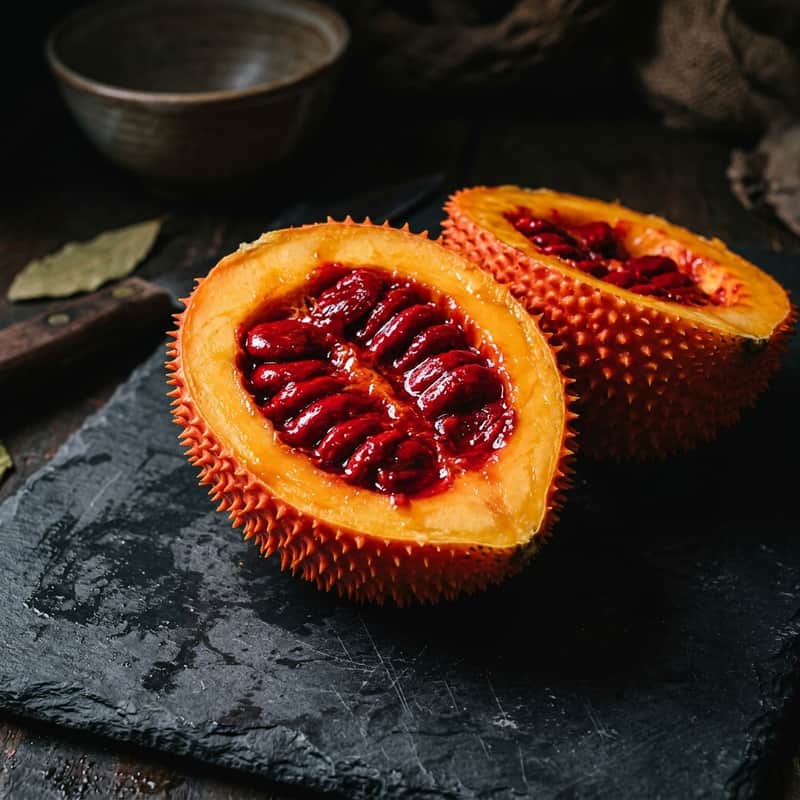
Among the most potent foods in its category, Gac Fruit stands out for its unique molecular composition and impressive clinical efficacy. It has been cultivated for centuries and revered for its remarkable ability to support systemic wellness. A rare, striking superfruit native to Southeast Asia, characterized by its spiky orange exterior and blood-red seed pods. Gac fruit is clinically renowned for containing some of the highest concentrations of bioavailable carotenoids in the plant kingdom—yielding up to 70 times more lycopene than tomatoes and 10 times more beta-carotene than carrots. It is a profound functional food for eye health, skin protection, and anti-aging. When integrated into a daily dietary regimen, this remarkable whole food acts as a natural modulator of physiological processes. Its unique blend of fibers, vitamins, and rare secondary metabolites work synergistically to optimize cellular function and defend against oxidative stress. Beyond its primary benefits, Gac Fruit serves as a catalyst for holistic wellbeing. Its integration into modern diets bridges the gap between ancient dietary wisdom and contemporary clinical science, offering a pure, whole-food approach to longevity.
Nutrient Profile
Health Benefits
Vision & Eye Health
The massive payload of beta-carotene (provitamin A) prevents macular degeneration, protects the retina from oxidative stress, and prevents night blindness.
Skin Protection & Anti-Aging
Lycopene and Vitamin E work synergistically to protect skin cells from UV-induced DNA damage, reducing the physical signs of aging and promoting cellular repair.
Prostate & Cardiovascular Health
High systemic levels of lycopene are strongly correlated with reduced risks of prostate enlargement and cardiovascular inflammation.
Preparation Guide
Consume the red aril surrounding the seeds. The outer shell is not eaten.
Best For: Maximizing nutrient absorption and digestibility
Alternative Usage
Best For: High-quality cold-pressed Gac oil supplements or frozen puree.
Nourishing Recipes
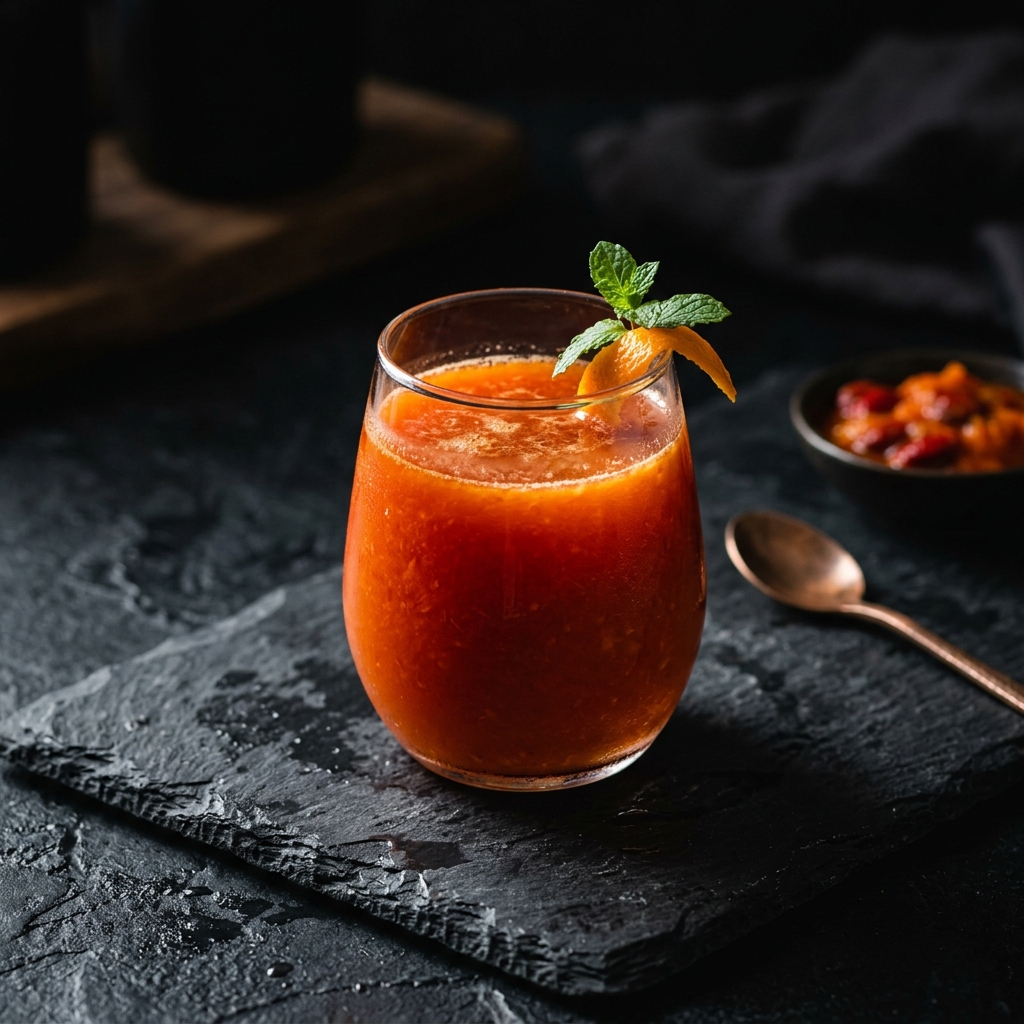
Gac Lycopene Elixir
A concentrated, vibrant elixir utilizing the deep red arils of the Gac fruit, designed to flood the body with highly bioavailable carotenoids.
Research Focus
Ocular defense, UV skin protection, and systemic antioxidant saturation.
Scoop the deep red arils (seed coating) from the Gac fruit and remove the seeds to yield the puree.
In a blender, combine the Gac puree, citrus juice, water, and a tiny drop of healthy oil (fat is required to absorb the lycopene).
Blend until completely smooth and vibrant red.
Pour into a glass over ice and garnish with fresh mint.
Research Ingredients
- 1/4 cup pure Gac fruit puree (aril only)
- 1/2 cup fresh orange or passion fruit juice
- 1/2 cup filtered water
- A few drops of olive oil or coconut oil (if puree is fat-free)
- Fresh mint for garnish
Nourishing Focus
Ocular defense, UV skin protection, and systemic antioxidant saturation.
How to Use Gac Fruit for Health
Daily Routine
To maximize the bioavailability of its active compounds, Gac Fruit should be consumed intentionally.
Form Preference
It is best consumed in its raw or minimally processed form to preserve its delicate enzymatic structure and heat-sensitive antioxidants.
Synergistic Pairings
Optimal Timing
- In the morning on an empty stomach to enhance absorption.
- As a pre-workout or midday snack to provide sustained cellular energy.
- During the largest meal of the day to leverage its synergistic effects with other nutrients.
Sourcing & Preparation
Research Grade Equipment


* As an Amazon Associate I earn from qualifying purchases. See our full disclosure.
Scientific Analysis & Research Insights
ABSTRACT
Clinical evaluations of Momordica cochinchinensis highlight its unparalleled carotenoid profile. Crucially, the lipophilic matrix (natural fats) present in the fruit's aril significantly enhances the bioavailability and absorption of these antioxidants compared to other fruits and vegetables.
Unprecedented levels of bioavailable lycopene and beta-carotene
High concentration of natural lipophilic antioxidants (Vitamin E)
Significantly higher plasma carotenoid uptake compared to synthetic supplements
Strong suppression of lipid peroxidation
RESEARCH SPECS
Establishes Gac fruit as one of the most potent natural interventions for correcting vitamin A deficiency and increasing systemic antioxidant capacity.
foodDetail.researchDisclaimer
Frequently Asked Questions about Gac Fruit
What makes Gac Fruit uniquely beneficial compared to other foods in its category?
Gac Fruit contains a specific matrix of phytonutrients and antioxidants that are highly bioavailable. Unlike isolated supplements, the whole-food structure of Gac Fruit ensures that its active compounds are absorbed efficiently and utilized optimally by the body's metabolic pathways.
Can I consume Gac Fruit every day?
Yes, daily consumption is generally considered safe and highly beneficial for most individuals. Consistency is key when leveraging whole foods for clinical outcomes, as the body relies on a steady influx of these micronutrients to maintain cellular health and homeostasis.
How does Gac Fruit interact with the gut microbiome?
The complex fibers and specific polyphenols found in Gac Fruit act as powerful prebiotics. They selectively nourish beneficial gut flora, enhancing the production of short-chain fatty acids (SCFAs) which are crucial for maintaining the integrity of the gut lining and modulating systemic inflammation.