
Ginkgo Biloba
Ginkgo biloba
Clinical Overview
Renowned for its extraordinary phytochemical profile, Ginkgo Biloba represents a cornerstone of functional nutrition. It provides an unparalleled matrix of essential micronutrients, powerful antioxidants, and unique bioactive compounds. Known as one of the oldest living tree species, Ginkgo Biloba has been used in traditional medicine for millennia. It contains unique ginkgolides and bilobalides that are clinically validated to enhance cognitive performance, support vascular blood flow, and protect against cellular oxidative stress, particularly in cognitive decline and dementia. In the realm of preventative health, Ginkgo Biloba is considered a powerhouse. Its intricate nutritional architecture provides the exact substrate required by the body's enzymatic systems to neutralize free radicals and regulate inflammatory pathways. Furthermore, regular consumption of Ginkgo Biloba has been linked to profound improvements in overall vitality. As researchers continue to uncover the depth of its benefits, it remains one of the most highly recommended dietary additions for those seeking peak health.
Nutrient Profile
Health Benefits
Cognitive Support
Enhances mental processing, memory, and cognitive focus by increasing microvascular cerebral blood circulation.
Vascular & Heart Health
Upregulates nitric oxide production, expanding blood vessels and reducing cardiovascular tension.
Cellular Neuroprotection
Neutralizes free radicals in brain tissue and protects mitochondria from age-related degradation.
Preparation Guide
Standardized extracts are preferred for target cognitive therapy, while teas are excellent for daily lifestyle support.
Best For: Maximizing nutrient absorption and digestibility
Alternative Usage
Best For: Rosemary or Gotu Kola for complementary brain and cognitive support.
Nourishing Recipes
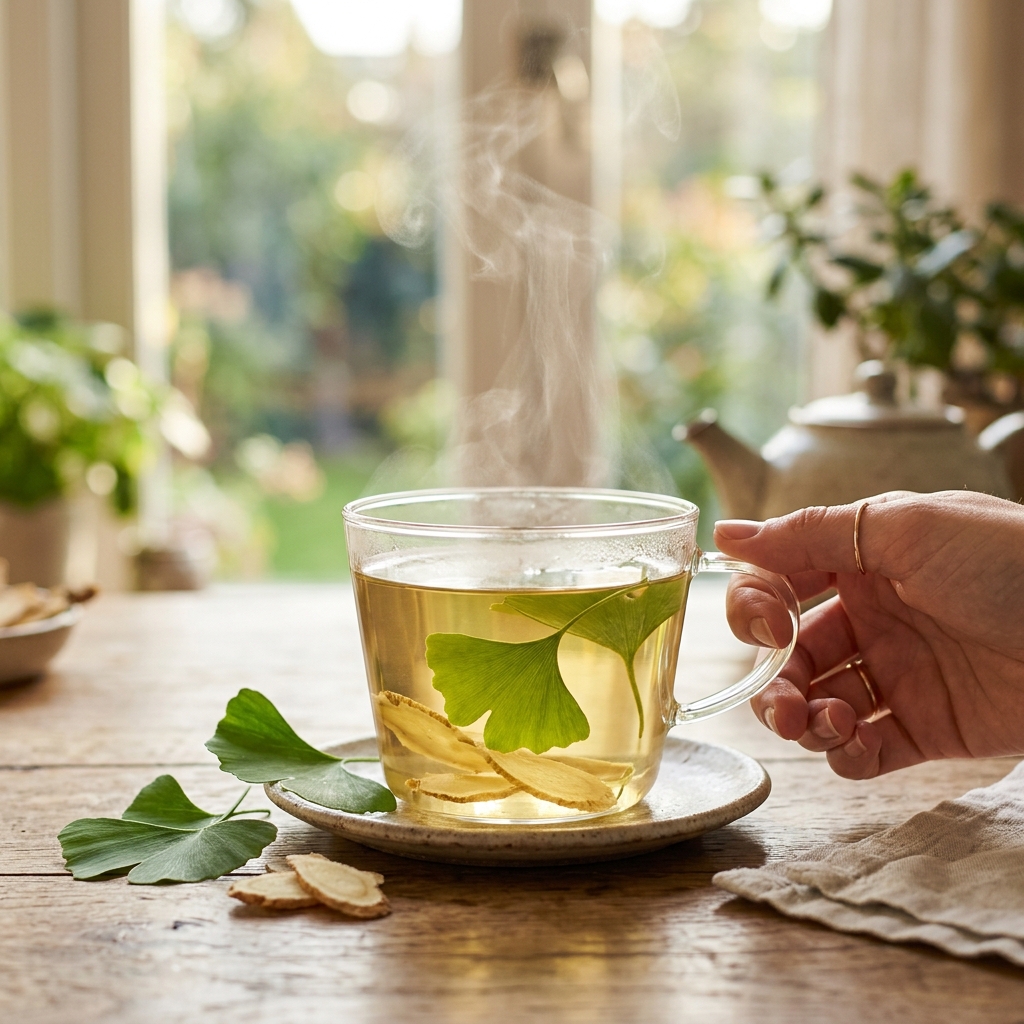
EGb-Rich Morning Clarity Tea
A warming, clarifying botanical tea infusion combining dried Ginkgo biloba leaves with fresh ginger and ginseng root to stimulate blood circulation and enhance cognitive performance.
Research Focus
Enhances cerebral blood flow and neurotransmitter synthesis for morning focus.
Lightly crush the dried Ginkgo leaves to release their essential oils.
In a premium glass teapot, combine the Ginkgo leaves, ginseng root slice, and ginger.
Pour hot filtered water over the herbs and cover immediately.
Steep gently for 10-12 minutes, then strain and sip warm.
Research Ingredients
- 1 tsp Dried Ginkgo Biloba Leaves
- 1 slice Fresh Ginseng Root (stimulant)
- 1 thin slice Fresh Ginger (circulation)
- 2 cups Hot Filtered Water (190°F)
Nourishing Focus
Enhances cerebral blood flow and neurotransmitter synthesis for morning focus.
How to Use Ginkgo Biloba for Health
Daily Routine
To maximize the bioavailability of its active compounds, Ginkgo Biloba should be consumed intentionally.
Form Preference
It is best consumed in its raw or minimally processed form to preserve its delicate enzymatic structure and heat-sensitive antioxidants.
Synergistic Pairings
Optimal Timing
- In the morning on an empty stomach to enhance absorption.
- As a pre-workout or midday snack to provide sustained cellular energy.
- During the largest meal of the day to leverage its synergistic effects with other nutrients.
Sourcing & Preparation
Research Grade Equipment


* As an Amazon Associate I earn from qualifying purchases. See our full disclosure.
Scientific Analysis & Research Insights
ABSTRACT
An overview of systematic reviews and clinical trials demonstrating that standardized Ginkgo biloba extract (240 mg/day) administered for at least 5 months significantly improves cognitive performance, activities of daily living, and neuropsychiatric symptoms.
Significant enhancement of cognitive scores (ADAS-Cog and MMSE)
Substantial improvement in daily living activities (ADL)
Highly favorable safety and tolerability profile across all trials
Effective dosage set at 240 mg daily for maximum efficacy
RESEARCH SPECS
Establishes Ginkgo biloba as a premier, clinically validated botanical intervention for cognitive decline and dementia.
foodDetail.researchDisclaimer
Frequently Asked Questions about Ginkgo Biloba
Can I consume fresh Ginkgo biloba seeds?
No, raw Ginkgo seeds contain ginkgotoxin, which can be toxic. Only consume properly prepared Ginkgo leaves as tea or standardized dietary extracts.
How does Ginkgo help memory?
Ginkgo increases oxygen and microvascular blood flow to the brain, while protecting neural pathways from oxidative stress, improving memory retrieval and processing speed.
Can I take Ginkgo every day?
Yes, a daily morning cup of Ginkgo tea or standardized extract is highly beneficial and safe for supporting cognitive resilience.
Who should avoid Ginkgo Biloba?
Because Ginkgo acts as a mild vasodilator, individuals taking prescription blood thinners or those scheduled for surgery should consult their doctor before starting.