
Jicama
Pachyrhizus erosus
Clinical Overview
Jicama is widely recognized in nutritional science for its profound impact on human health. Historically utilized in traditional practices across the globe, it has recently gained significant attention from modern clinical researchers. A crisp, refreshing tuberous root native to Mexico and Central America. Jicama is a prebiotic powerhouse containing exceptionally high levels of inulin—a soluble prebiotic fiber clinically validated for stimulating bifidobacterial populations, increasing short-chain fatty acid (SCFA) synthesis, and modulating gut mucosal immunity. The clinical significance of Jicama cannot be overstated. By providing the body with a dense concentration of bioavailable nutrients, it actively supports metabolic homeostasis, enhances immune resilience, and fosters long-term longevity. Ultimately, Jicama exemplifies the philosophy that food is medicine. By prioritizing such nutrient-dense whole foods, individuals can proactively engineer their health and build robust resilience against modern dietary pitfalls.
Nutrient Profile
Health Benefits
Prebiotic Immunomodulation
Supplies pure inulin fiber which selectively feeds Bifidobacteria, boosting protective immunoglobulins (IgA) in the gut lining.
Metabolic SCFA Synthesis
Enhances colonic fermentation, producing short-chain fatty acids (primarily butyrate) that fuel the gut wall and reduce systemic inflammation.
Glycemic Stability
Contains low digestible carbohydrates and high water content, ensuring zero impact on baseline glycemic curves.
Preparation Guide
Fresh raw sliced form is highly preferred to retain active prebiotic structures.
Best For: Maximizing nutrient absorption and digestibility
Alternative Usage
Best For: Sunchoke (Jerusalem Artichoke) or Asparagus for high prebiotic inulin delivery.
Nourishing Recipes
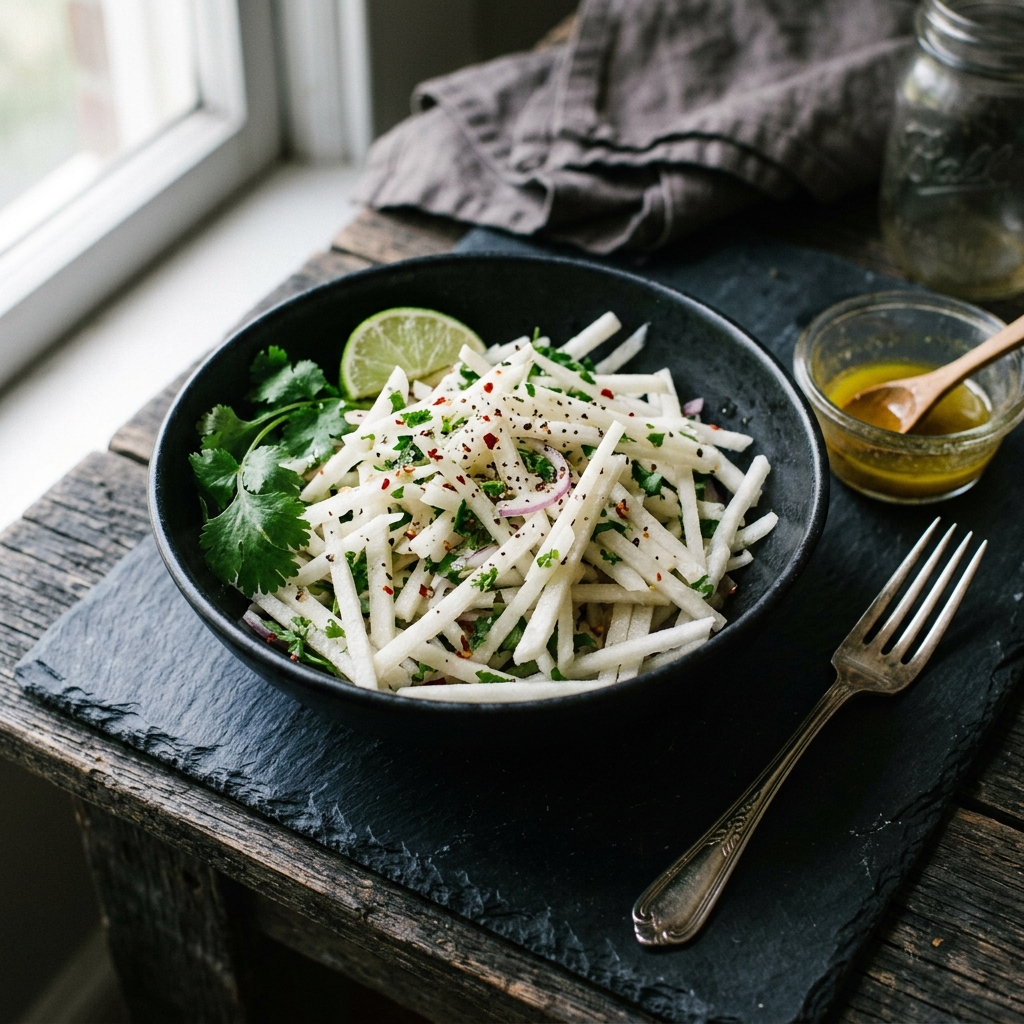
Prebiotic Inulin Slaw
A crisp, zesty prebiotic salad combining julienned raw Jicama with fresh herbs and a simple lime-based dressing to fuel beneficial gut flora.
Research Focus
Delivers intact, unheated inulin fibers to the distal colon where fermentation by Bifidobacteria occurs.
Wash, peel, and julienne the fresh raw Jicama root into matchsticks.
Toss the Jicama matchsticks in a wooden bowl with chopped cilantro.
Drizzle fresh lime juice and extra virgin olive oil over the top.
Season with a tiny pinch of sea salt and black pepper, toss gently, and serve.
Research Ingredients
- 1 cup Raw Jicama (julienned)
- 1/4 cup Fresh Cilantro (chopped)
- 1 tbsp Fresh Lime Juice
- 1 tsp Extra Virgin Olive Oil
Nourishing Focus
Delivers intact, unheated inulin fibers to the distal colon where fermentation by Bifidobacteria occurs.
How to Use Jicama for Health
Daily Routine
To maximize the bioavailability of its active compounds, Jicama should be consumed intentionally.
Form Preference
It is best consumed in its raw or minimally processed form to preserve its delicate enzymatic structure and heat-sensitive antioxidants.
Synergistic Pairings
Optimal Timing
- In the morning on an empty stomach to enhance absorption.
- As a pre-workout or midday snack to provide sustained cellular energy.
- During the largest meal of the day to leverage its synergistic effects with other nutrients.
Sourcing & Preparation
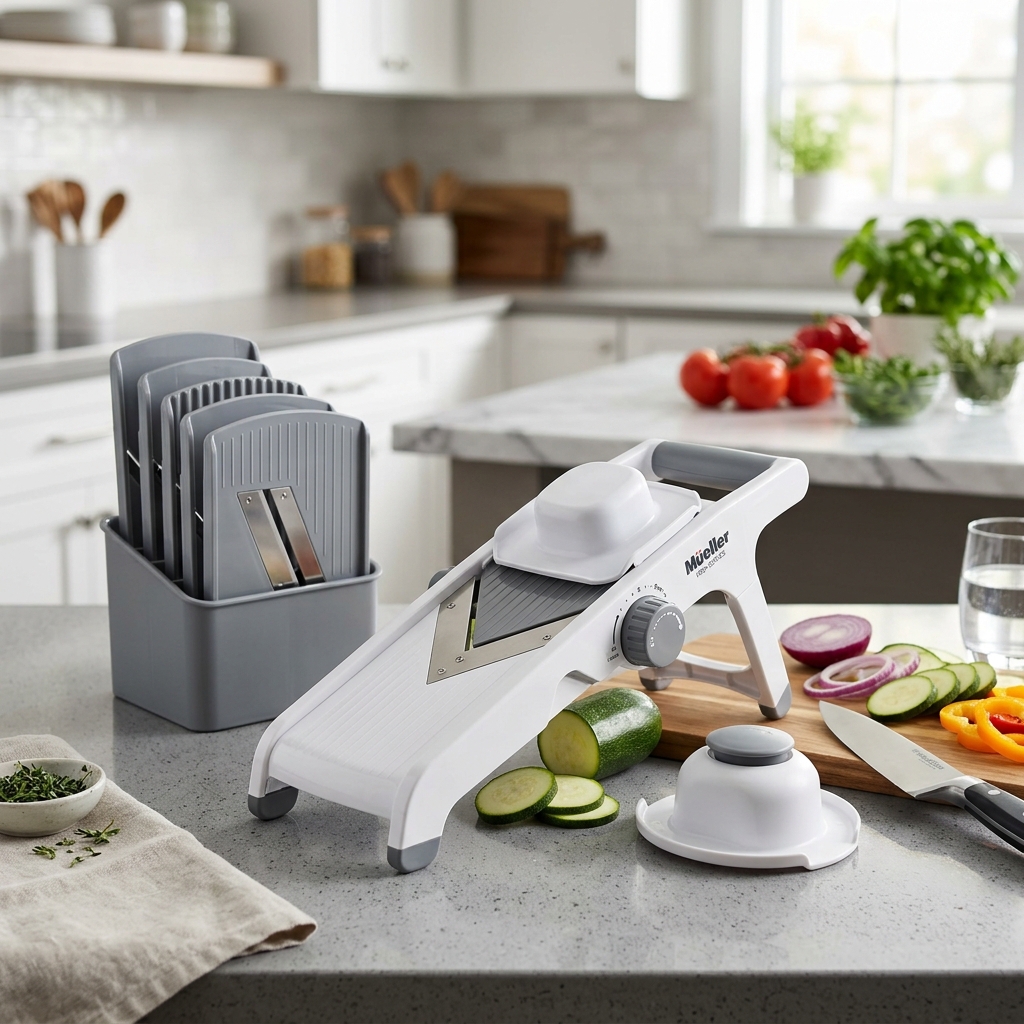
Research Grade Equipment

* As an Amazon Associate I earn from qualifying purchases. See our full disclosure.
Scientific Analysis & Research Insights
ABSTRACT
A controlled clinical study proving that dietary supplementation with Pachyrhizus erosus (Jicama) significantly increases beneficial Bifidobacteria and Lactobacillus counts, elevates short-chain fatty acid (SCFA) concentrations, and enhances gut mucosal immune markers.
Significant proliferation of beneficial Bifidobacteria and Lactobacillus
Marked elevation in fecal short-chain fatty acid (SCFA) levels
Enhanced gut mucosal immunity shown by increased fecal IgA secretion
Suppression of harmful pro-inflammatory cytokine activity in colonic tissues
RESEARCH SPECS
Establishes Jicama as a premier prebiotic superfood for gastrointestinal integrity, metabolic stability, and immune reinforcement.
foodDetail.researchDisclaimer
Frequently Asked Questions about Jicama
What is the primary benefit of Jicama?
The primary benefit of Jicama is its exceptional prebiotic fiber content, specifically inulin. Inulin is a soluble fiber that bypasses stomach digestion and goes straight to the colon, where it feeds beneficial Bifidobacteria, supporting gut health, regular bowel movements, and immune function.
Do you have to cook Jicama?
No, Jicama is best eaten raw! Cooking Jicama can break down some of its delicate inulin fibers. Eating it raw preserves its signature crisp, apple-like texture and maximizes its prebiotic potency.
Is Jicama low carb?
Yes, Jicama is very low in digestible carbohydrates and calories. Most of its carbohydrates come in the form of non-digestible prebiotic fiber, meaning it does not raise blood sugar levels, making it ideal for low-glycemic diets.
How do you store Jicama?
Whole Jicama should be stored in a cool, dry place for up to two weeks. Once peeled or sliced, store it in an airtight container in the refrigerator with a damp paper towel to maintain crispness for up to one week.