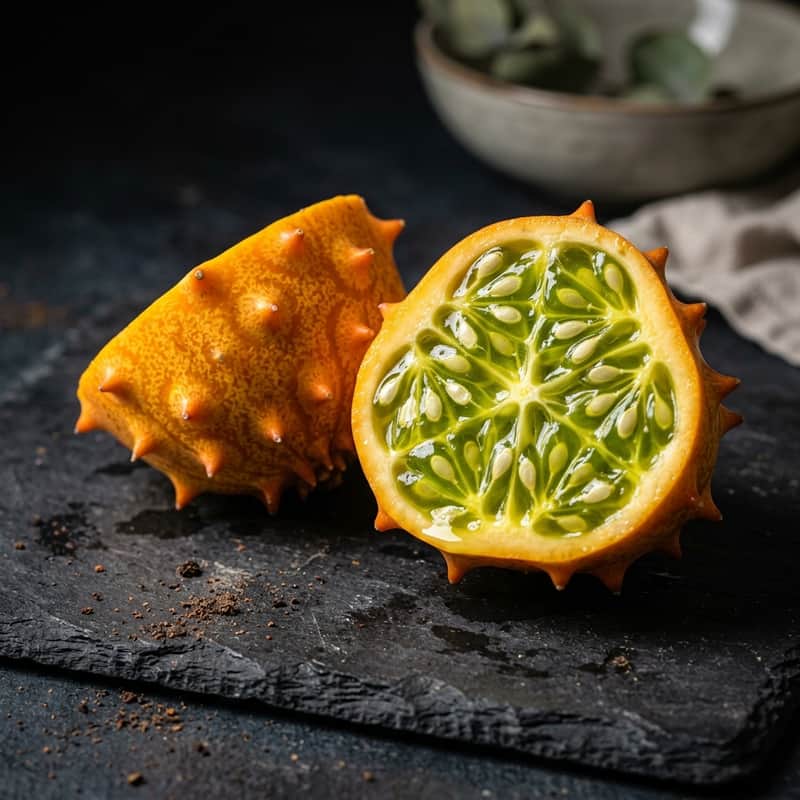
Kiwano (Horned Melon)
Cucumis metuliferus
Clinical Overview
Kiwano (Horned Melon) is widely recognized in nutritional science for its profound impact on human health. Historically utilized in traditional practices across the globe, it has recently gained significant attention from modern clinical researchers. Kiwano, also known as the horned melon, is a striking, nutrient-dense fruit native to Sub-Saharan Africa. It is rich in magnesium, vitamin C, and antioxidants, supporting deep hydration, metabolic health, and cognitive function. The clinical significance of Kiwano (Horned Melon) cannot be overstated. By providing the body with a dense concentration of bioavailable nutrients, it actively supports metabolic homeostasis, enhances immune resilience, and fosters long-term longevity. Ultimately, Kiwano (Horned Melon) exemplifies the philosophy that food is medicine. By prioritizing such nutrient-dense whole foods, individuals can proactively engineer their health and build robust resilience against modern dietary pitfalls.
Nutrient Profile
Health Benefits
Hydration and Electrolyte Balance
Composed primarily of water and rich in key electrolytes like magnesium and potassium, it supports optimal cellular hydration and prevents muscle cramps.
Cognitive Function
High levels of magnesium and tocopherols support neurological health, improving mood regulation and reducing oxidative stress in the brain.
Metabolic Health
With a low glycemic index and a high concentration of dietary fiber, kiwano helps regulate blood glucose levels and promotes feelings of satiety.
Preparation Guide
Raw Consumption
Best For: Best consumed raw by scooping out the jelly-like seeds, which preserves its delicate antioxidants and vitamin C.
Nourishing Recipes
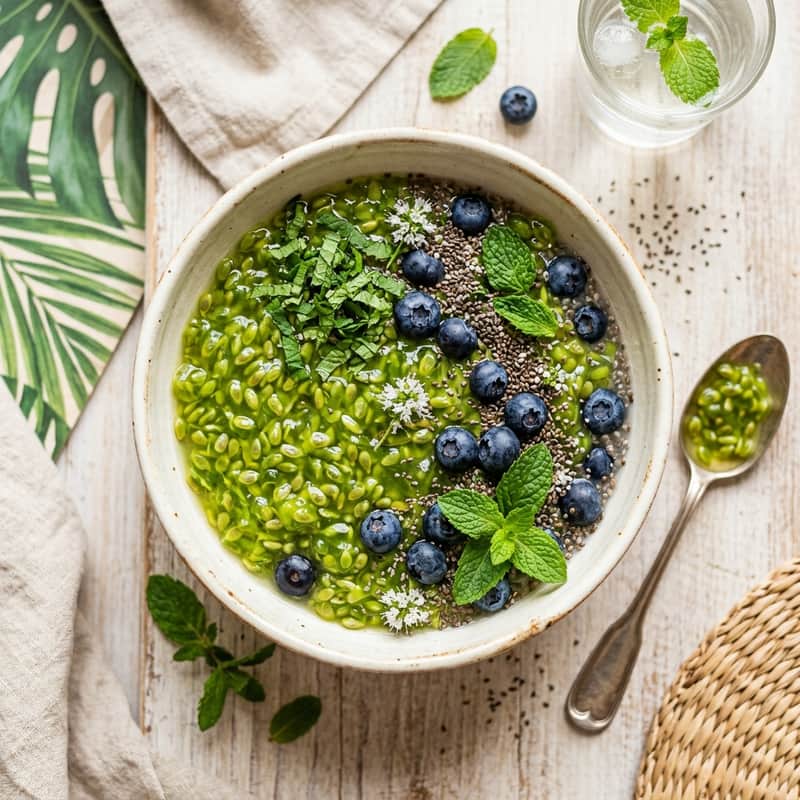
Kiwano and Mint Hydration Bowl
A refreshing, electrolyte-rich bowl combining the tropical flavor of kiwano with fresh mint and berries.
Research Focus
Combines the electrolyte profile of kiwano with the anthocyanins of blueberries and omega-3s of chia seeds for maximum cellular nourishment.
Scoop the jelly-like kiwano seeds into a serving bowl.
Gently mix in the fresh blueberries and chopped mint.
Sprinkle chia seeds on top and finish with a squeeze of lime juice.
Serve chilled for a deeply hydrating, antioxidant-packed snack.
Research Ingredients
- 1 ripe kiwano, halved and seeds scooped
- 1/2 cup fresh blueberries
- 1 tbsp fresh mint leaves, chopped
- 1 tsp chia seeds
- Squeeze of fresh lime juice
Nourishing Focus
Combines the electrolyte profile of kiwano with the anthocyanins of blueberries and omega-3s of chia seeds for maximum cellular nourishment.
How to Use Kiwano (Horned Melon) for Health
Daily Routine
1/2 to 1 whole kiwano per serving.
Form Preference
Best eaten raw and chilled.
Synergistic Pairings
Optimal Timing
- Snacks
- Smoothie Bowls
- Salads
Sourcing & Preparation
Research Grade Equipment


* As an Amazon Associate I earn from qualifying purchases. See our full disclosure.
Scientific Analysis & Research Insights
ABSTRACT
Studies on Cucumis metuliferus indicate that its seeds and pulp possess potent antioxidant and anti-inflammatory properties, largely attributed to its unique profile of flavonoids and alpha-tocopherol.
Rich in alpha-tocopherol (Vitamin E), which combats lipid peroxidation.
Demonstrates potential to improve glycemic control in metabolic syndrome models.
RESEARCH SPECS
Acts as a hydrating functional food with neuroprotective and metabolic benefits.
foodDetail.researchDisclaimer
Frequently Asked Questions about Kiwano (Horned Melon)
Are the seeds of the kiwano edible?
Yes, the seeds are completely edible and are encased in the fruit's sweet, jelly-like pulp. They provide a satisfying crunch and are an excellent source of dietary fiber and healthy fats.
How do you know when a kiwano is ripe?
A ripe kiwano will have a bright orange rind, and the spikes may feel slightly softer. Avoid ones with green patches or very hard rinds, as they are likely unripe.
What does kiwano taste like?
The flavor is often described as a refreshing mix of cucumber, zucchini, and kiwi, with a slightly tart and sweet taste depending on its ripeness.
Can I eat the skin of a kiwano?
The skin is thick, spiky, and generally not eaten due to its tough texture and bitterness, though it is technically non-toxic.
How should I store kiwano?
Store kiwano at room temperature. Do not refrigerate it, as cold temperatures can damage its texture and flavor.