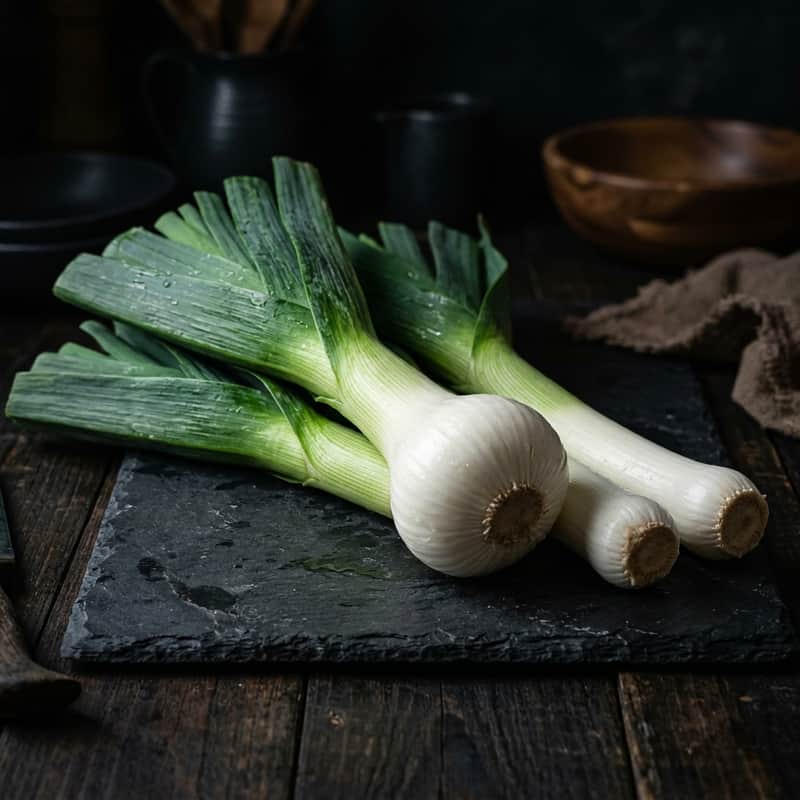
Leeks
Allium porrum
Clinical Overview
Renowned for its extraordinary phytochemical profile, Leeks represents a cornerstone of functional nutrition. It provides an unparalleled matrix of essential micronutrients, powerful antioxidants, and unique bioactive compounds. A member of the Allium family with a mild, onion-like flavor. Leeks are a superior source of inulin-type prebiotics, supporting a healthy gut microbiome and cardiovascular integrity. In the realm of preventative health, Leeks is considered a powerhouse. Its intricate nutritional architecture provides the exact substrate required by the body's enzymatic systems to neutralize free radicals and regulate inflammatory pathways. Furthermore, regular consumption of Leeks has been linked to profound improvements in overall vitality. As researchers continue to uncover the depth of its benefits, it remains one of the most highly recommended dietary additions for those seeking peak health.
Nutrient Profile
Health Benefits
Gut Microbiome
Significant source of inulin, a prebiotic fiber that fuels beneficial Bifidobacteria.
Heart Health
Contains kaempferol, a flavonoid that protects blood vessel linings from oxidative damage.
Eye Health
Rich in lutein and zeaxanthin, which are essential for protecting the retina from high-energy light.
Preparation Guide
Whole, fresh leeks is preferred for maximum nutrient density and fiber retention.
Best For: Maximizing nutrient absorption and digestibility
Alternative Usage
Best For: General health maintenance
Nourishing Recipes
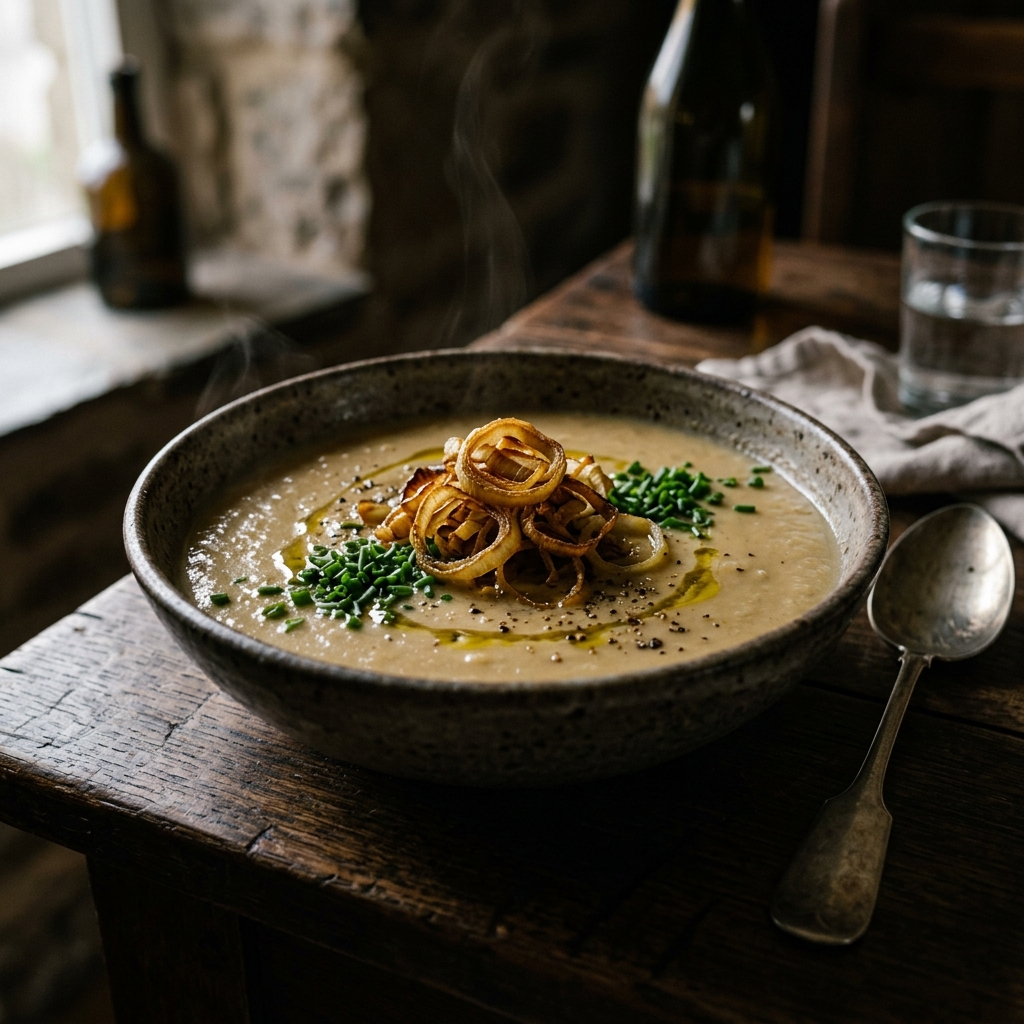
Inulin-Rich Prebiotic Velouté
A gentle simmer that preserves the integrity of prebiotic fibers for optimal gut microbiome support.
Research Focus
Delivers a high dose of inulin-type fructans to promote the growth of health-promoting gut bacteria.
Finely slice leek whites; rinse thoroughly to remove all soil.
Sauté in a splash of water or broth until translucent.
Add cubed potato and broth; simmer for 15 minutes.
Blend until creamy and garnish with fresh chives for additional sulfur compounds.
Research Ingredients
- 2 Large Leeks
- 1 Potato
- 2 cups Vegetable Broth
- 1 serving Fresh Chives
Nourishing Focus
Delivers a high dose of inulin-type fructans to promote the growth of health-promoting gut bacteria.
How to Use Leeks for Health
Daily Routine
To maximize the bioavailability of its active compounds, Leeks should be consumed intentionally.
Form Preference
It is best consumed in its raw or minimally processed form to preserve its delicate enzymatic structure and heat-sensitive antioxidants.
Synergistic Pairings
Optimal Timing
- In the morning on an empty stomach to enhance absorption.
- As a pre-workout or midday snack to provide sustained cellular energy.
- During the largest meal of the day to leverage its synergistic effects with other nutrients.
Sourcing & Preparation
Research Grade Equipment


* As an Amazon Associate I earn from qualifying purchases. See our full disclosure.
Scientific Analysis & Research Insights
ABSTRACT
Recent study: The social role of defective viral genomes in chronic viral infections: a commentary on Leeks et al. 2023.
High concentration of bioactive kaempferol
Stimulation of beneficial short-chain fatty acid (SCFA) production
Protective effects on cardiovascular endothelial function
Improved mineral absorption in the colon
RESEARCH SPECS
Validated botanical aid for systemic microbiome and vascular support.
foodDetail.researchDisclaimer
Frequently Asked Questions about Leeks
Are leeks good for gut microbiome?
Yes, leeks are excellent for gut microbiome. Significant source of inulin, a prebiotic fiber that fuels beneficial Bifidobacteria.
Can I eat leeks every day?
Yes, incorporating leeks into your daily diet is generally considered safe and highly beneficial. Leeks provide a consistent source of essential nutrients and bioactive compounds that support long-term health.
What is the healthiest way to eat leeks?
The healthiest way to consume leeks is often gentle simmer, which is preserving the structural integrity of prebiotic inulin fibers.
Who should avoid leeks?
While leeks are safe for most people, those with specific food allergies or medical conditions should always consult with a healthcare professional or nutritionist before making significant dietary changes.