
Lingonberry
Vaccinium vitis-idaea
Clinical Overview
Lingonberry is widely recognized in nutritional science for its profound impact on human health. Historically utilized in traditional practices across the globe, it has recently gained significant attention from modern clinical researchers. A highly resilient, low-growing evergreen shrub native to boreal forests and tundra. Lingonberries are a therapeutic clinical powerhouse rich in benzoic acid and high-molecular-weight polyphenols (such as proanthocyanidins) clinically proven to regulate the oral microbiome, inhibit Streptococcus mutans adhesion, promote saliva secretion, and support mucosal integrity. The clinical significance of Lingonberry cannot be overstated. By providing the body with a dense concentration of bioavailable nutrients, it actively supports metabolic homeostasis, enhances immune resilience, and fosters long-term longevity. Ultimately, Lingonberry exemplifies the philosophy that food is medicine. By prioritizing such nutrient-dense whole foods, individuals can proactively engineer their health and build robust resilience against modern dietary pitfalls.
Nutrient Profile
Health Benefits
Oral Microbiome Balancing
Host benzoic acid and proanthocyanidins prevent Streptococcus mutans biofilms from adhering to dental structures.
Salivary Flow Regulation
Increases baseline salivary flow and improves salivary gland physiological response under chronic oral dryness.
Systemic Vascular Resilience
Neutralizes reactive oxygen species in capillary linings, promoting microvascular elasticity and systemic endothelial health.
Preparation Guide
Unsweetened raw cold-pressed juice is highly preferred to preserve active organic acids.
Best For: Maximizing nutrient absorption and digestibility
Alternative Usage
Best For: Cranberry or Pomegranate for high-polyphenol cardiovascular and microbial support.
Nourishing Recipes
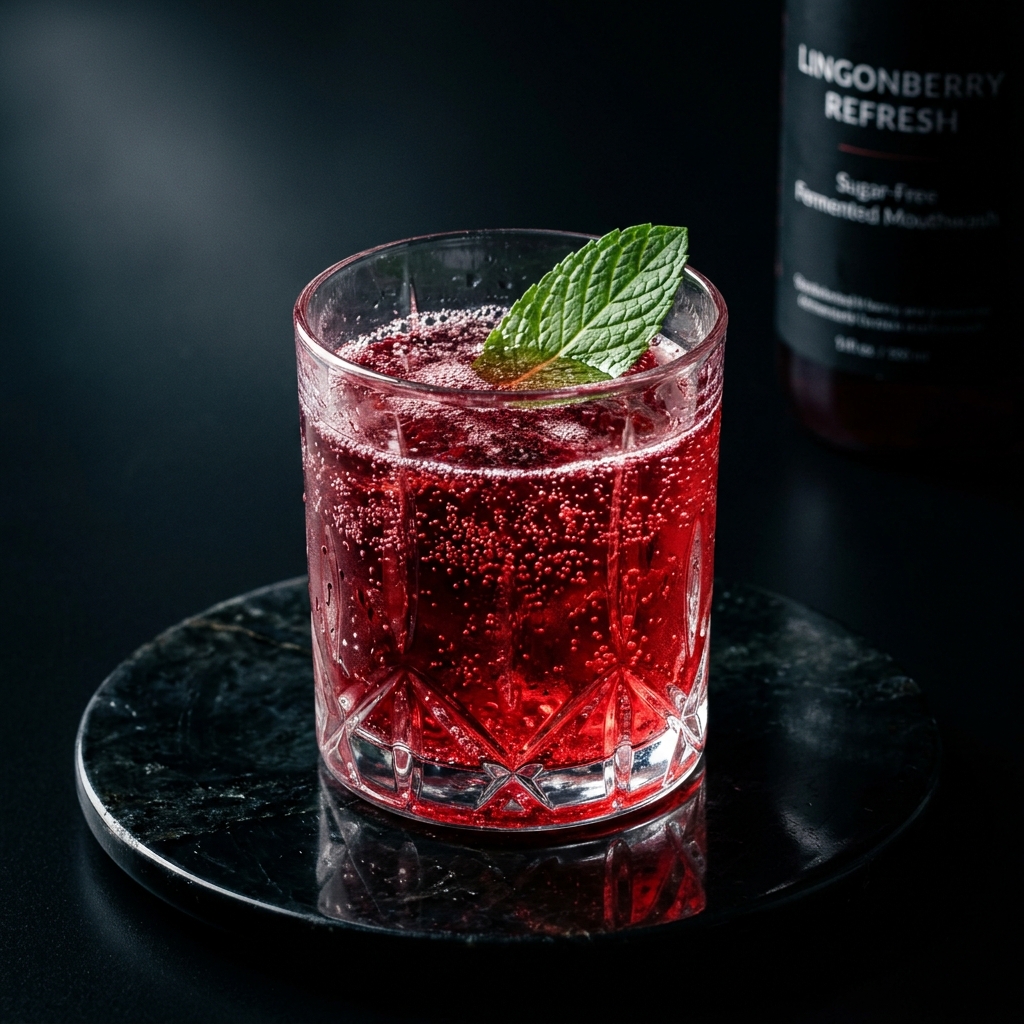
Fermented Lingonberry Oral Refreshment
A simple, unsweetened, and highly refreshing liquid ferment of pure pressed lingonberries and warm mint infusion to serve as a biological oral rinse and digestive tonic.
Research Focus
Delivers live organic acids and proanthocyanidins directly to the oral mucosal lining to inhibit bacterial biofilm adhesion.
Muddle the fresh lingonberries and mint leaves in a wide-mouth clean glass jar.
Pour in the warm filtered water (approx 105°F) and cover with a breathable cloth.
Allow to ferment naturally in a dark cupboard for 24-48 hours until lightly effervescent.
Strain the seeds and pulp out, chill, and use as an active mouth rinse or sip slowly.
Research Ingredients
- 1/2 cup Fresh Lingonberries (crushed)
- 3 Fresh Mint Leaves (crushed)
- 1.5 cups Warm Filtered Water
Nourishing Focus
Delivers live organic acids and proanthocyanidins directly to the oral mucosal lining to inhibit bacterial biofilm adhesion.
How to Use Lingonberry for Health
Daily Routine
To maximize the bioavailability of its active compounds, Lingonberry should be consumed intentionally.
Form Preference
It is best consumed in its raw or minimally processed form to preserve its delicate enzymatic structure and heat-sensitive antioxidants.
Synergistic Pairings
Optimal Timing
- In the morning on an empty stomach to enhance absorption.
- As a pre-workout or midday snack to provide sustained cellular energy.
- During the largest meal of the day to leverage its synergistic effects with other nutrients.
Sourcing & Preparation
Research Grade Equipment


* As an Amazon Associate I earn from qualifying purchases. See our full disclosure.
Scientific Analysis & Research Insights
ABSTRACT
A randomized controlled clinical trial demonstrating that daily intake of sugar-free lingonberry juice significantly decreases oral mutans streptococci and lactobacilli counts, while improving salivary buffering capacity and salivary flow rates without causing enamel erosion.
Significant decrease in salivary Streptococcus mutans and Lactobacillus counts
Marked elevation of salivary flow rates and buffering capacity
Inhibition of carcinogenic biofilm accumulation on teeth
No reduction in plaque pH or dental enamel wear observed
RESEARCH SPECS
Clinically validates Lingonberry as an outstanding functional food for oral health, cavity prevention, and microbiome regulation.
foodDetail.researchDisclaimer
Frequently Asked Questions about Lingonberry
Why is sugar-free lingonberry juice important for oral health?
Sugar-free lingonberry juice is essential because added sugars feed carcinogenic oral bacteria like S. mutans, which defeats the purpose. Natural unsweetened lingonberry contains active organic acids and benzoic acid that specifically suppress bad bacteria while keeping enamel safe.
Is lingonberry similar to cranberry?
Yes, they are in the same genus (Vaccinium) and both contain high levels of proanthocyanidins. However, lingonberry is higher in benzoic acid, which makes it an exceptional natural antimicrobial, and has a distinct sour, slightly sweet profile.
Can I drink lingonberry juice daily?
Yes, consuming 50ml to 100ml of unsweetened, pure lingonberry juice daily is highly safe, therapeutic, and excellent for both oral hygiene and kidney health.
Are there any contraindications?
Unsweetened lingonberries are exceptionally safe. However, individuals prone to severe oxalates-based kidney stones should consume them in moderate amounts due to moderate oxalate levels common in berries.