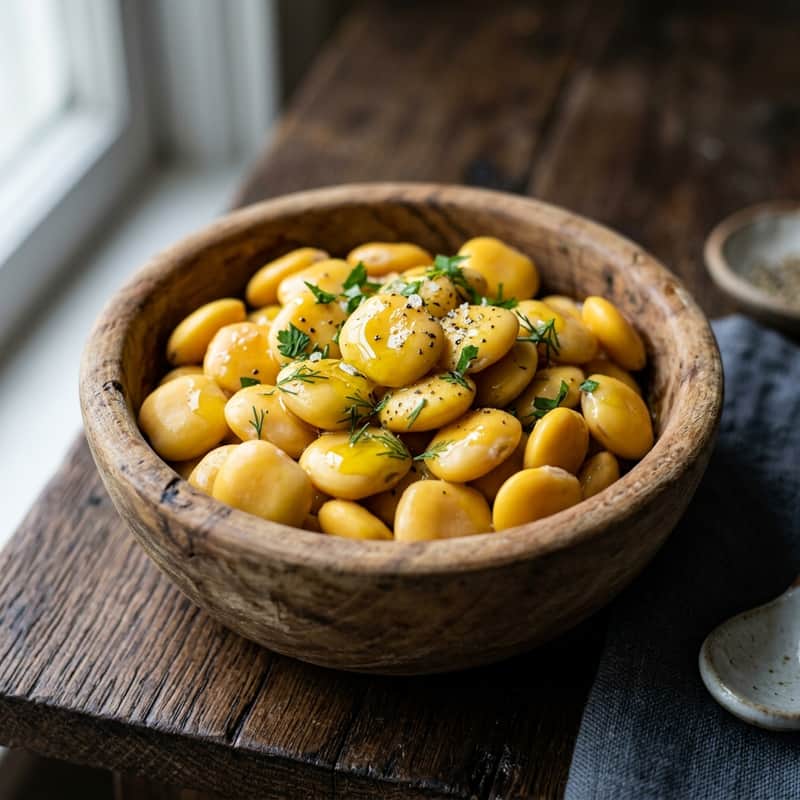
Lupin / Lupini Beans
Lupinus albus
Clinical Overview
Lupin / Lupini Beans is widely recognized in nutritional science for its profound impact on human health. Historically utilized in traditional practices across the globe, it has recently gained significant attention from modern clinical researchers. An ancient yellow legume native to the Mediterranean basin and Latin America. Lupin is a massive protein and cardiovascular power-bean containing an exceptional 40% protein and 30% dietary fiber with virtually zero starch, clinically proven to lower the LDL/HDL cholesterol ratio and improve glycemic regulation. The clinical significance of Lupin / Lupini Beans cannot be overstated. By providing the body with a dense concentration of bioavailable nutrients, it actively supports metabolic homeostasis, enhances immune resilience, and fosters long-term longevity. Ultimately, Lupin / Lupini Beans exemplifies the philosophy that food is medicine. By prioritizing such nutrient-dense whole foods, individuals can proactively engineer their health and build robust resilience against modern dietary pitfalls.
Nutrient Profile
Health Benefits
LDL/HDL Ratio Optimization
Active lupin protein (specifically gamma-conglutin) down-regulates hepatic cholesterol synthesis, significantly lowering LDL cholesterol and improving the LDL/HDL ratio.
Glycemic Regulation & Satiety
Virtually starch-free with an exceptionally low glycemic index, lupin protein and fiber slow carbohydrate absorption and stimulate satiety hormones.
Blood Pressure & Vascular Tone
Contains high levels of L-arginine, a precursor to nitric oxide, which relaxes blood vessels and supports healthy systemic blood pressure.
Preparation Guide
Fully cooked, brined, and peeled whole beans to ensure zero bitter alkaloid content and maximize protein digestibility.
Best For: Maximizing nutrient absorption and digestibility
Alternative Usage
Best For: Chickpeas or Lentils for high-fiber plant proteins, though they contain significantly more starch.
Nourishing Recipes
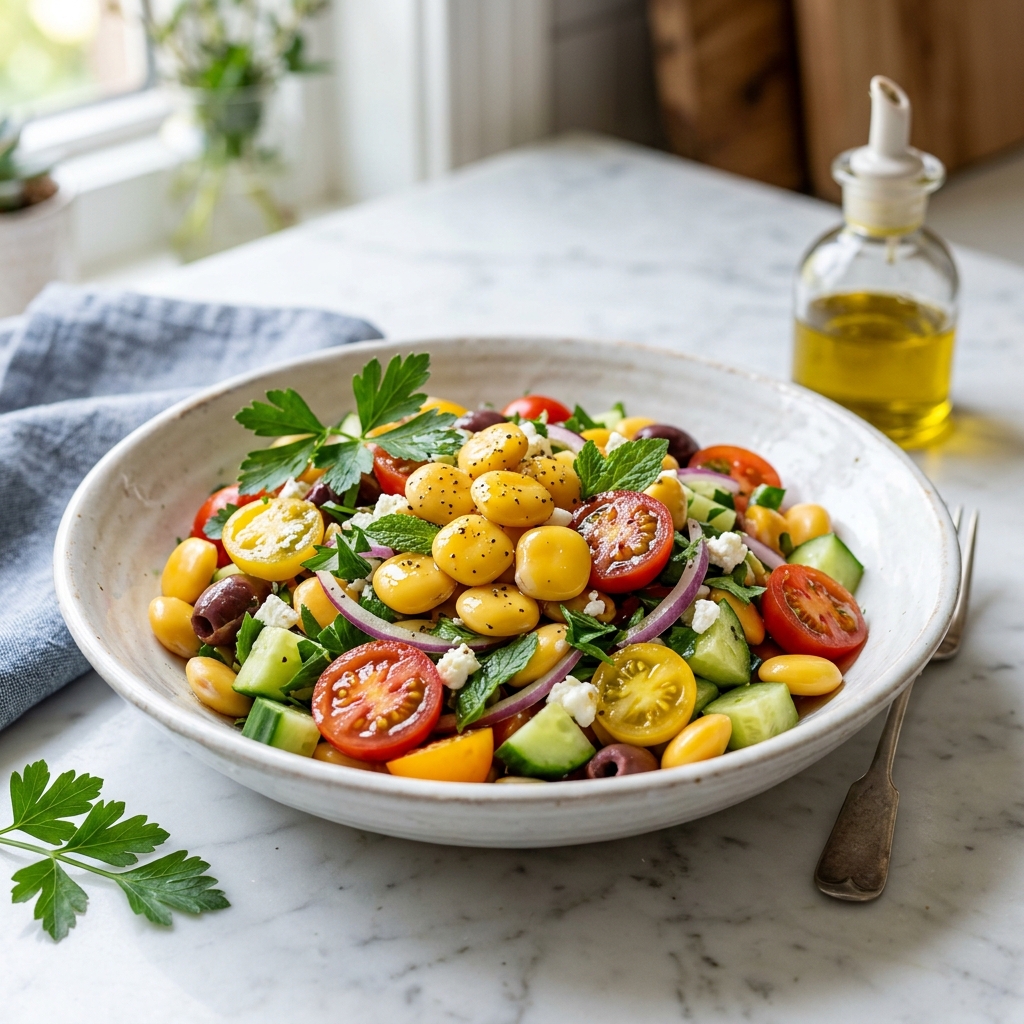
Cardiovascular Lupin Salad
A fresh, Mediterranean-style snack combining fully prepped, brined lupini beans with olive oil, herbs, and lemon juice to optimize vascular nitric oxide pathways.
Research Focus
Combines lupin's nitric oxide-boosting L-arginine with the heart-healthy monounsaturated fats of olive oil to maximize endothelial dilation.
If using pre-packed brined lupini beans, rinse them thoroughly under cold running water to remove excess sodium.
Gently pinch each bean to slip off the tough outer skin (highly recommended for optimal digestion).
Place the peeled yellow beans in a small bowl.
Drizzle with extra virgin olive oil and fresh lemon juice.
Sprinkle with dried oregano and fresh cracked black pepper, toss gently, and serve.
Research Ingredients
- 1 cup Cooked and Peeled Lupini Beans (brined)
- 1 tbsp Extra Virgin Olive Oil
- 1 tbsp Fresh Lemon Juice
- 1/2 tsp Dried Oregano
- A pinch of fresh cracked Black Pepper
Nourishing Focus
Combines lupin's nitric oxide-boosting L-arginine with the heart-healthy monounsaturated fats of olive oil to maximize endothelial dilation.
How to Use Lupin / Lupini Beans for Health
Daily Routine
To maximize the bioavailability of its active compounds, Lupin / Lupini Beans should be consumed intentionally.
Form Preference
It is best consumed in its raw or minimally processed form to preserve its delicate enzymatic structure and heat-sensitive antioxidants.
Synergistic Pairings
Optimal Timing
- In the morning on an empty stomach to enhance absorption.
- As a pre-workout or midday snack to provide sustained cellular energy.
- During the largest meal of the day to leverage its synergistic effects with other nutrients.
Sourcing & Preparation
Research Grade Equipment


* As an Amazon Associate I earn from qualifying purchases. See our full disclosure.
Scientific Analysis & Research Insights
ABSTRACT
A randomized, double-blind controlled trial proving that daily consumption of lupin protein significantly reduces total cholesterol, LDL-cholesterol, and the LDL/HDL ratio in hypercholesterolemic adults compared to casein protein.
Pronounced reduction in the atherogenic LDL/HDL cholesterol ratio
Significant lowering of total and LDL cholesterol in hypercholesterolemic subjects
Favorable vascular tolerance and zero adverse events noted
High dietary compliance due to excellent satiety properties
RESEARCH SPECS
Validates Lupin protein as a first-line clinical dietary intervention for hypercholesterolemia, dyslipidemia, and metabolic cardiovascular support.
foodDetail.researchDisclaimer
Frequently Asked Questions about Lupin / Lupini Beans
What are lupini beans?
Lupini beans are the seeds of the Lupin plant (Lupinus albus). Popular in Mediterranean and South American cuisines, they are large, flat, bright yellow beans traditionally soaked and brined before consumption.
Why do lupini beans need to be soaked for so long?
Raw lupini beans contain bitter, toxic nitrogen-containing compounds called quinolizidine alkaloids. They must be thoroughly soaked, boiled, and rinsed over several days (or purchased pre-cooked in brine) to completely wash out these bitter alkaloids before they are safe to eat.
Are lupini beans low in carbs?
Yes! Lupini beans are unique because they are virtually starch-free. Almost all of their carbohydrate content is prebiotic dietary fiber. This makes them highly popular for low-carb, keto, and diabetic diets.
Can lupini beans cause allergic reactions?
Yes. Lupin is in the legume family and contains proteins similar to peanuts. People with peanut or legume allergies should exercise caution and consult their doctor before trying lupin.