
Mung Beans
Vigna radiata
Clinical Overview
Mung Beans is widely recognized in nutritional science for its profound impact on human health. Historically utilized in traditional practices across the globe, it has recently gained significant attention from modern clinical researchers. A highly digestible legume rich in protein and fiber, clinically proven to influence glucose metabolism and systemic antioxidant capacity. The clinical significance of Mung Beans cannot be overstated. By providing the body with a dense concentration of bioavailable nutrients, it actively supports metabolic homeostasis, enhances immune resilience, and fosters long-term longevity. Ultimately, Mung Beans exemplifies the philosophy that food is medicine. By prioritizing such nutrient-dense whole foods, individuals can proactively engineer their health and build robust resilience against modern dietary pitfalls.
Nutrient Profile
Health Benefits
Glycemic Control
Helps reduce fasting blood glucose and improves insulin sensitivity in metabolic subjects.
Potent Antioxidant
High levels of vitexin and isovitexin protect against oxidative stress and heat stroke symptoms.
Cholesterol Management
The soluble fiber in mung beans binds to bile acids, assisting in the reduction of LDL cholesterol.
Preparation Guide
Whole, fresh mung beans is preferred for maximum nutrient density and fiber retention.
Best For: Maximizing nutrient absorption and digestibility
Alternative Usage
Best For: General health maintenance
Nourishing Recipes
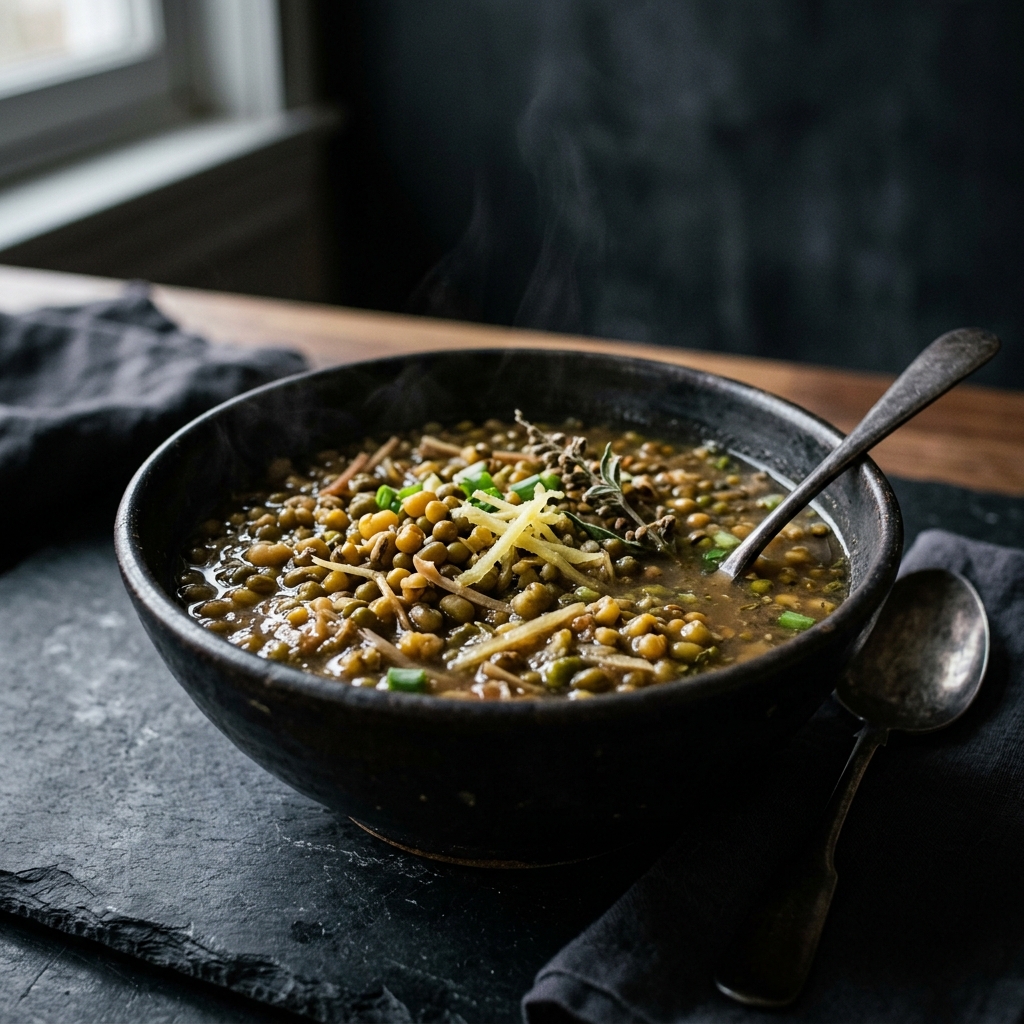
Vitexin Heat-Clearing Stew
A cooling stew designed to reduce internal metabolic heat.
Research Focus
Reduces inflammatory markers and manages internal thermal stress.
Boil mung beans with ginger until they split.
Do not overcook; the "heat-clearing" property is highest in the skin.
Sip the liquid and eat the beans for systemic cooling.
Research Ingredients
- 1 cup Mung Beans
- 4 cups Water
- 1 serving Fresh Ginger
Nourishing Focus
Reduces inflammatory markers and manages internal thermal stress.
How to Use Mung Beans for Health
Daily Routine
To maximize the bioavailability of its active compounds, Mung Beans should be consumed intentionally.
Form Preference
It is best consumed in its raw or minimally processed form to preserve its delicate enzymatic structure and heat-sensitive antioxidants.
Synergistic Pairings
Optimal Timing
- In the morning on an empty stomach to enhance absorption.
- As a pre-workout or midday snack to provide sustained cellular energy.
- During the largest meal of the day to leverage its synergistic effects with other nutrients.
Sourcing & Preparation
Research Grade Equipment


* As an Amazon Associate I earn from qualifying purchases. See our full disclosure.
Scientific Analysis & Research Insights
ABSTRACT
A clinical trial confirms that Mung Bean protein significantly improves glucose metabolism and reduces insulin resistance in metabolic subjects.
Significant reduction in fasting insulin and HOMA-IR
Marked decrease in serum triglyceride levels
Improved insulin sensitivity and glucose homeostasis
Verified efficacy for glycemic and metabolic support
RESEARCH SPECS
Verified clinical role for Mung Beans in metabolic and glycemic optimization.
foodDetail.researchDisclaimer
Frequently Asked Questions about Mung Beans
Are mung beans good for glycemic control?
Yes, mung beans are excellent for glycemic control. Helps reduce fasting blood glucose and improves insulin sensitivity in metabolic subjects.
Can I eat mung beans every day?
Yes, incorporating mung beans into your daily diet is generally considered safe and highly beneficial. Mung Beans provide a consistent source of essential nutrients and bioactive compounds that support long-term health.
What is the healthiest way to eat mung beans?
The healthiest way to consume mung beans is often boiled / sprouted, which is standard preparation; sprouting significantly increases the bioavailable vitamin c and amino acids.
Who should avoid mung beans?
While mung beans are safe for most people, those with specific food allergies or medical conditions should always consult with a healthcare professional or nutritionist before making significant dietary changes.