
Nettle
Urtica dioica
Clinical Overview
Nettle is widely recognized in nutritional science for its profound impact on human health. Historically utilized in traditional practices across the globe, it has recently gained significant attention from modern clinical researchers. A stinging herbaceous perennial that, once denatured by heat or drying, transforms into one of the most mineral-dense, deeply restorative greens available. The clinical significance of Nettle cannot be overstated. By providing the body with a dense concentration of bioavailable nutrients, it actively supports metabolic homeostasis, enhances immune resilience, and fosters long-term longevity. Ultimately, Nettle exemplifies the philosophy that food is medicine. By prioritizing such nutrient-dense whole foods, individuals can proactively engineer their health and build robust resilience against modern dietary pitfalls.
Nutrient Profile
Health Benefits
Allergy Mitigation
Acts as a potent natural antihistamine, reducing hay fever and allergic rhinitis response.
Bone & Tissue Fortification
Exceptional levels of calcium, magnesium, and silica support bone density and connective tissue repair.
Prostate Support
Extracts from the nettle root act to inhibit 5-alpha reductase, assisting in benign prostatic hyperplasia (BPH) management.
Preparation Guide
Lightly steamed or massaged raw leaves are best for nutrient bioavailability.
Best For: Maximizing nutrient absorption and digestibility
Alternative Usage
Best For: Can be blended into smoothies for high-density nutrient delivery.
Nourishing Recipes
Mineral Density Infusion
A high-mineral tea designed to deliver bioavailable silica and boron.
Research Focus
Optimizes mineral uptake for bone and kidney health.
Steep nettle in hot water for at least 15 minutes.
Strain and drink daily for skeletal and renal support.
Can be chilled and used as a mineral-rich base for smoothies.
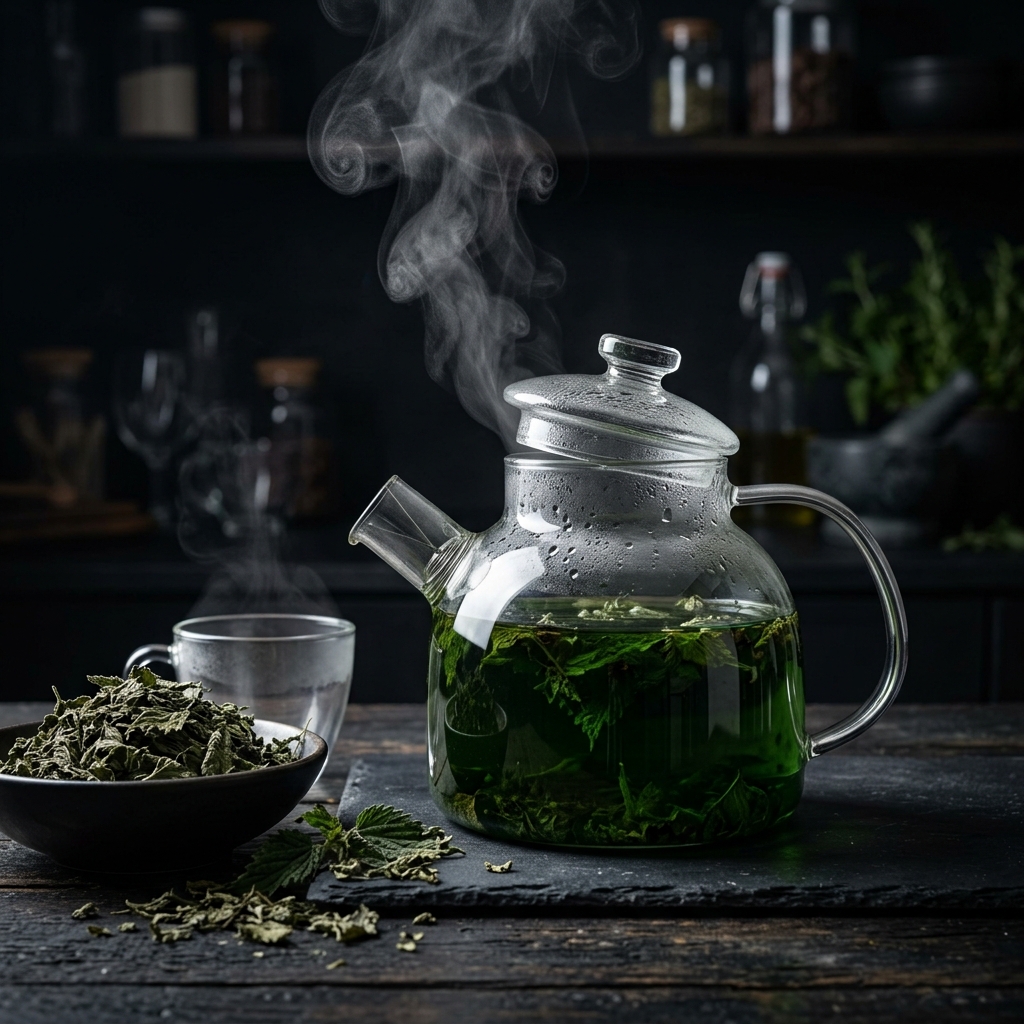
Research Ingredients
- 2 tbsp Dried Nettle Leaf
- 16 oz Hot Water
Nourishing Focus
Optimizes mineral uptake for bone and kidney health.
How to Use Nettle for Health
Daily Routine
To maximize the bioavailability of its active compounds, Nettle should be consumed intentionally.
Form Preference
It is best consumed in its raw or minimally processed form to preserve its delicate enzymatic structure and heat-sensitive antioxidants.
Synergistic Pairings
Optimal Timing
- In the morning on an empty stomach to enhance absorption.
- As a pre-workout or midday snack to provide sustained cellular energy.
- During the largest meal of the day to leverage its synergistic effects with other nutrients.
Sourcing & Preparation
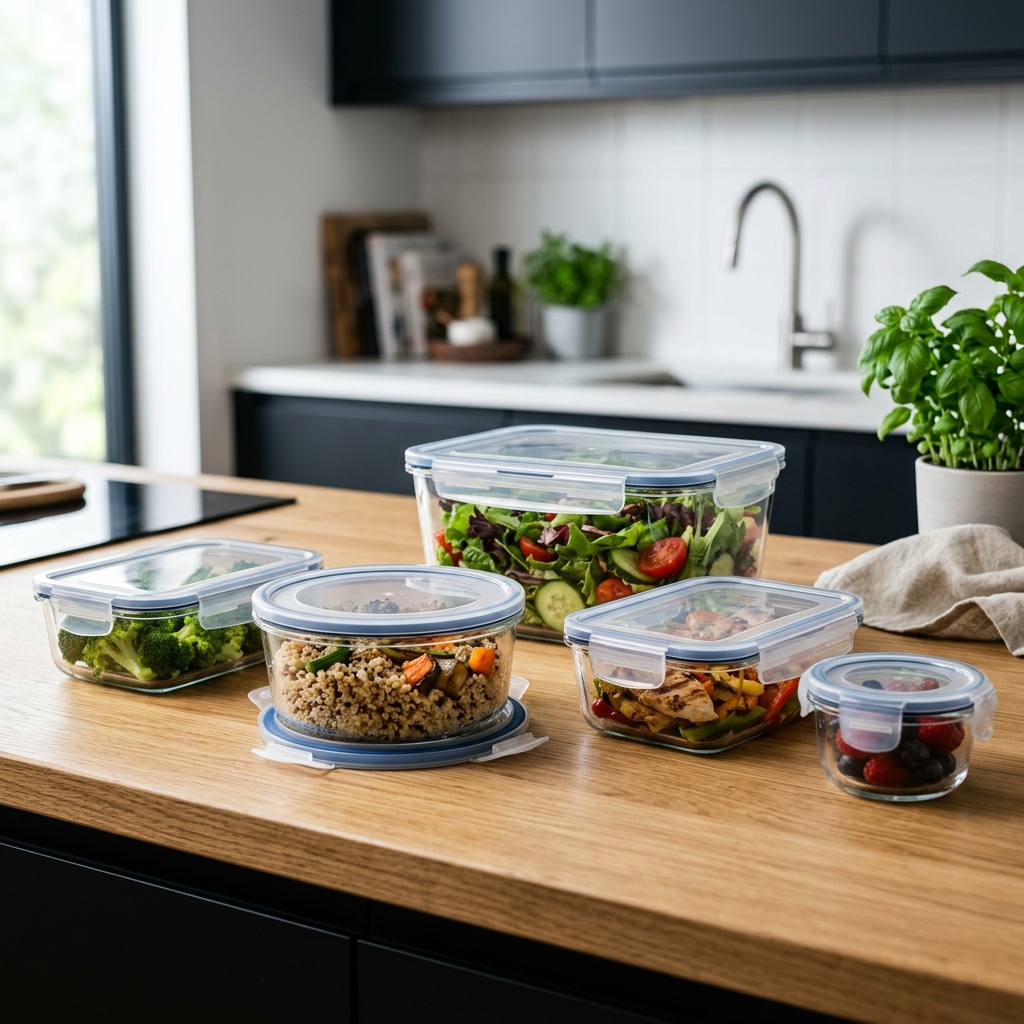
Research Grade Equipment

* As an Amazon Associate I earn from qualifying purchases. See our full disclosure.
Scientific Analysis & Research Insights
ABSTRACT
A clinical study demonstrates that Nettle extract acts as an antagonist and negative agonist at the H1 receptor and inhibits mast cell degranulation, providing a multi-pathway approach to seasonal allergy relief.
Potent inhibition of mast cell tryptase and degranulation
Significant antagonist activity at the Histamine-1 (H1) receptor
Inhibition of COX-1 and COX-2 pro-inflammatory enzymes
Reduction in Prostaglandin D2 synthase (HPGDS) activity
RESEARCH SPECS
Verified botanical mechanism for systemic allergy and inflammation relief.
foodDetail.researchDisclaimer
Frequently Asked Questions about Nettle
Is nettle good for allergy mitigation?
Yes, nettle is excellent for allergy mitigation. Acts as a potent natural antihistamine, reducing hay fever and allergic rhinitis response.
Can I eat nettle every day?
Yes, incorporating nettle into your daily diet is generally considered safe and highly beneficial. Nettle provides a consistent source of essential nutrients and bioactive compounds that support long-term health.
What is the healthiest way to eat nettle?
The healthiest way to consume nettle is often steamed / blanched, which is neutralizing the stings and delivering a spinach-like, mineral-dense side dish.
Who should avoid nettle?
While nettle is safe for most people, those with specific food allergies or medical conditions should always consult with a healthcare professional or nutritionist before making significant dietary changes.