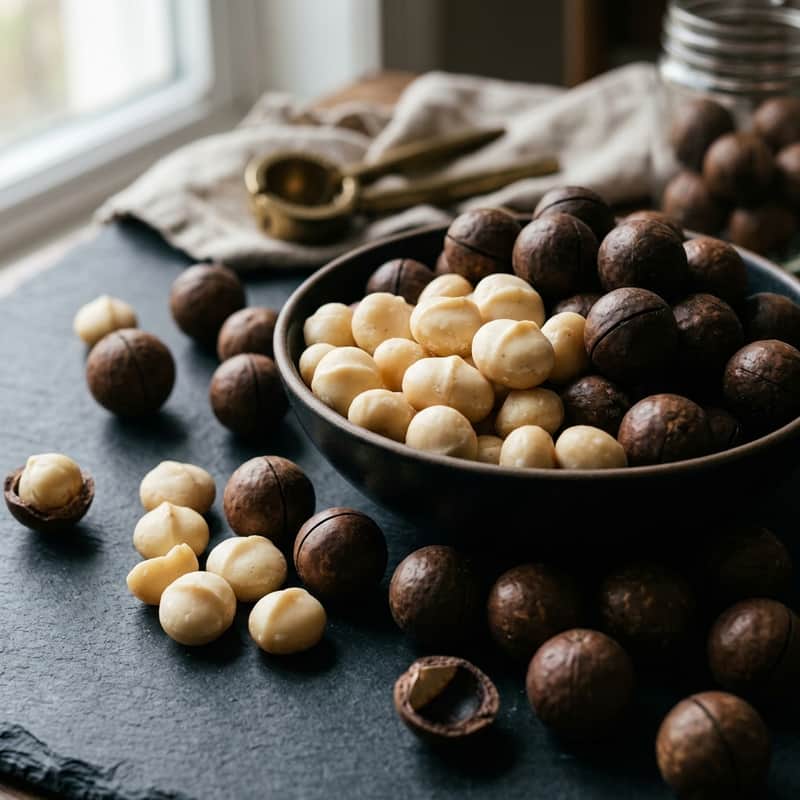
Pine Nuts
Pinus sibirica
Clinical Overview
Renowned for its extraordinary phytochemical profile, Pine Nuts represents a cornerstone of functional nutrition. It provides an unparalleled matrix of essential micronutrients, powerful antioxidants, and unique bioactive compounds. The edible, nutrient-dense seeds harvested from pine cones of various pine trees, highly valued in gourmet cuisine. Pine nuts are a metabolic and satiety super-seed exceptionally rich in pinolenic acid (a unique polyunsaturated fatty acid), clinically proven to stimulate the rapid release of key satiety hormones (CCK and GLP-1) to suppress appetite and optimize glycemic tolerance. In the realm of preventative health, Pine Nuts is considered a powerhouse. Its intricate nutritional architecture provides the exact substrate required by the body's enzymatic systems to neutralize free radicals and regulate inflammatory pathways. Furthermore, regular consumption of Pine Nuts has been linked to profound improvements in overall vitality. As researchers continue to uncover the depth of its benefits, it remains one of the most highly recommended dietary additions for those seeking peak health.
Nutrient Profile
Health Benefits
Satiety Hormone Stimulation
Pinolenic acid stimulates the release of cholecystokinin (CCK) and glucagon-like peptide-1 (GLP-1) in the gut, signaling fullness to the brain and delaying gastric emptying.
Appetite & Intake Reduction
Significantly suppresses appetite sensations, lowering subsequent caloric intake and helping regulate feeding behaviors.
Cardiovascular & Lipid Support
Contains monounsaturated fats, phytosterols, and magnesium that support endothelial function and help maintain healthy cholesterol levels.
Preparation Guide
Raw shelled pine nuts, or toasted lightly to preserve the integrity of the active fatty acids.
Best For: Maximizing nutrient absorption and digestibility
Alternative Usage
Best For: Walnuts or Flaxseeds for heart-healthy fats and prebiotic satiety fibers.
Nourishing Recipes
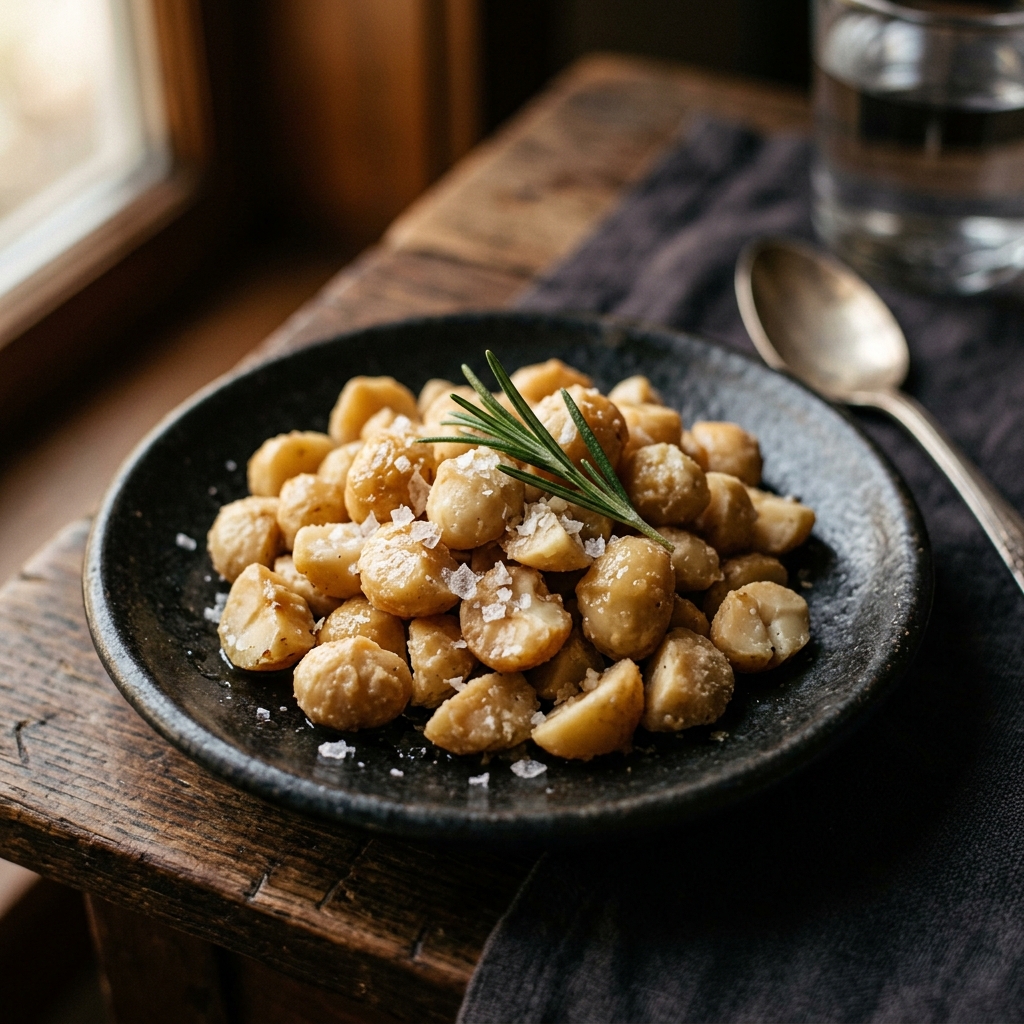
Satiety Pine Nut Pesto
A rich, vibrant, and highly filling Mediterranean pesto combining raw toasted pine nuts, fresh basil leaves, extra virgin olive oil, and garlic to stimulate satiety pathways.
Research Focus
Combines active satiety-promoting pinolenic acid with heart-healthy monounsaturated fats from olive oil to maximize long-term satiety and metabolic compliance.
Gently toast the pine nuts in a dry pan over low heat for 2-3 minutes until golden and fragrant; let cool.
In a food processor, pulse the basil leaves, garlic, toasted pine nuts, and sea salt until finely chopped.
With the motor running, slowly drizzle in the extra virgin olive oil until smooth and creamy.
Store in a jar topped with a thin layer of olive oil to prevent oxidation.
Research Ingredients
- 1/3 cup Shelled Pine Nuts (gently toasted)
- 2 cups Fresh Basil Leaves (packed)
- 1/3 cup Extra Virgin Olive Oil
- 2 cloves Garlic (peeled)
- 1/4 tsp Sea Salt
Nourishing Focus
Combines active satiety-promoting pinolenic acid with heart-healthy monounsaturated fats from olive oil to maximize long-term satiety and metabolic compliance.
How to Use Pine Nuts for Health
Daily Routine
To maximize the bioavailability of its active compounds, Pine Nuts should be consumed intentionally.
Form Preference
It is best consumed in its raw or minimally processed form to preserve its delicate enzymatic structure and heat-sensitive antioxidants.
Synergistic Pairings
Optimal Timing
- In the morning on an empty stomach to enhance absorption.
- As a pre-workout or midday snack to provide sustained cellular energy.
- During the largest meal of the day to leverage its synergistic effects with other nutrients.
Sourcing & Preparation
Research Grade Equipment


* As an Amazon Associate I earn from qualifying purchases. See our full disclosure.
Scientific Analysis & Research Insights
ABSTRACT
A randomized, double-blind, placebo-controlled trial proving that pine nut oil containing pinolenic acid significantly triggers the release of satiety peptides (CCK and GLP-1), lowers appetite ratings, and significantly reduces subsequent food and caloric intake in overweight subjects.
Significant increase in plasma cholecystokinin (CCK) and GLP-1 levels
Marked reduction in subjective appetite scores and prospective food intake
Significant reduction in actual caloric intake during subsequent meals
Improved metabolic safety profiles and excellent digestive tolerance
RESEARCH SPECS
Validates pine nut oil and pinolenic acid as a highly effective, natural, non-stimulant dietary satiety intervention for metabolic and weight management support.
foodDetail.researchDisclaimer
Frequently Asked Questions about Pine Nuts
What is pinolenic acid?
Pinolenic acid is a triple-unsaturated fatty acid found almost exclusively in pine nut oil. It is the primary bioactive compound responsible for pine nuts' appetite-suppressing and satiety-stimulating effects.
How do pine nuts help with weight loss?
When consumed, the pinolenic acid in pine nuts triggers the release of CCK and GLP-1—hormones in your digestive tract that signal to your brain that you are full. This naturally reduces hunger and subsequent food intake.
What causes 'pine nut mouth'?
Pine nut mouth (pine mouth) is a rare, harmless taste disturbance where everything tasted has a bitter or metallic flavor 1-3 days after consuming certain species of pine nuts. It resolves completely on its own within a couple of weeks.
Are pine nuts actually nuts?
Botanically speaking, pine nuts are edible seeds harvested from pine cones. However, they are classified as tree nuts for allergen labeling and culinary purposes.