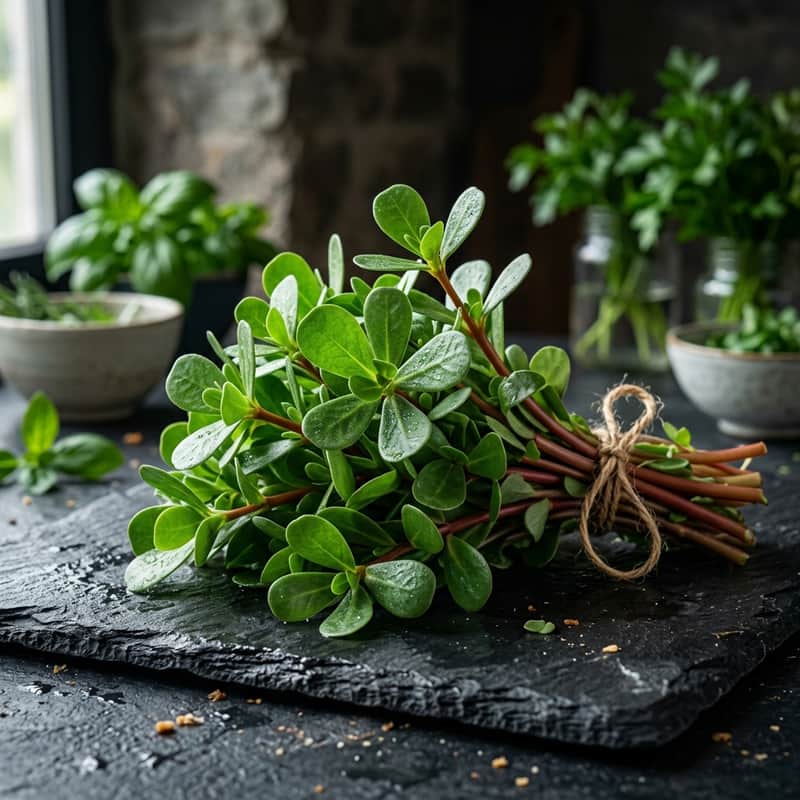
Purslane
Portulaca oleracea
Clinical Overview
Purslane is widely recognized in nutritional science for its profound impact on human health. Historically utilized in traditional practices across the globe, it has recently gained significant attention from modern clinical researchers. A succulent leafy green exceptional for its remarkably high plant-based Omega-3 fatty acid (ALA) content. Purslane provides robust antioxidant protection and supports cardiovascular health. The clinical significance of Purslane cannot be overstated. By providing the body with a dense concentration of bioavailable nutrients, it actively supports metabolic homeostasis, enhances immune resilience, and fosters long-term longevity. Ultimately, Purslane exemplifies the philosophy that food is medicine. By prioritizing such nutrient-dense whole foods, individuals can proactively engineer their health and build robust resilience against modern dietary pitfalls.
Nutrient Profile
Health Benefits
Omega-3 (ALA)
Essential fatty acid crucial for reducing systemic inflammation and supporting brain health.
Vitamin A
Supports vision, immune function, and cellular communication.
Preparation Guide
Culinary Preparation
Best For: Optimal nutrient absorption and digestion.
Nourishing Recipes
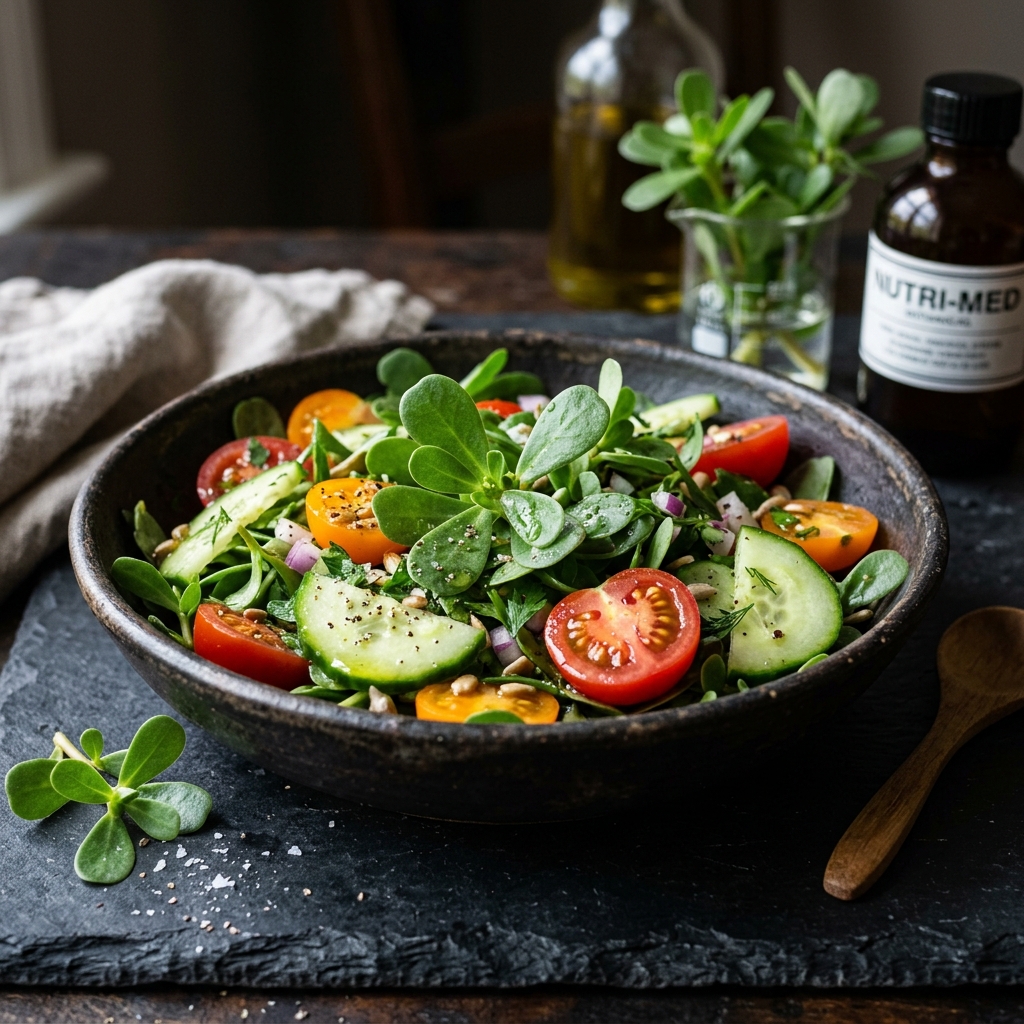
Vibrant Purslane Salad
A crisp, hydrating salad that perfectly captures the lemony, slightly peppery flavor of fresh purslane.
Research Focus
Eating purslane raw preserves the delicate omega-3 fatty acids. The Vitamin C in tomatoes enhances the absorption of plant-based iron from the purslane.
Thoroughly wash and dry the purslane.
Toss the purslane, tomatoes, and cucumber in a dark ceramic bowl.
Drizzle lightly with lemon vinaigrette just before serving.
Research Ingredients
- 2 cups Fresh Purslane Leaves and Stems
- 1/2 cup Cherry Tomatoes (halved)
- 1/2 cup Cucumber (sliced)
- 1 tbsp Lemon Vinaigrette
Nourishing Focus
Eating purslane raw preserves the delicate omega-3 fatty acids. The Vitamin C in tomatoes enhances the absorption of plant-based iron from the purslane.
How to Use Purslane for Health
Daily Routine
To maximize the bioavailability of its active compounds, Purslane should be consumed intentionally.
Form Preference
It is best consumed in its raw or minimally processed form to preserve its delicate enzymatic structure and heat-sensitive antioxidants.
Synergistic Pairings
Optimal Timing
- In the morning on an empty stomach to enhance absorption.
- As a pre-workout or midday snack to provide sustained cellular energy.
- During the largest meal of the day to leverage its synergistic effects with other nutrients.
Sourcing & Preparation
Research Grade Equipment


* As an Amazon Associate I earn from qualifying purchases. See our full disclosure.
Scientific Analysis & Research Insights
ABSTRACT
This study validates purslane as one of the richest terrestrial plant sources of omega-3 fatty acids, highlighting its profound antioxidant and anti-inflammatory properties.
Highest omega-3 fatty acid (ALA) content among leafy vegetables
Potent antioxidant properties protecting against oxidative stress
Significant anti-inflammatory activity
RESEARCH SPECS
Highlights purslane as a premier dietary intervention for natural omega-3 supplementation and inflammation control.
foodDetail.researchDisclaimer
Frequently Asked Questions about Purslane
What makes Purslane uniquely beneficial compared to other foods in its category?
Purslane contains a specific matrix of phytonutrients and antioxidants that are highly bioavailable. Unlike isolated supplements, the whole-food structure of Purslane ensures that its active compounds are absorbed efficiently and utilized optimally by the body's metabolic pathways.
Can I consume Purslane every day?
Yes, daily consumption is generally considered safe and highly beneficial for most individuals. Consistency is key when leveraging whole foods for clinical outcomes, as the body relies on a steady influx of these micronutrients to maintain cellular health and homeostasis.
How does Purslane interact with the gut microbiome?
The complex fibers and specific polyphenols found in Purslane act as powerful prebiotics. They selectively nourish beneficial gut flora, enhancing the production of short-chain fatty acids (SCFAs) which are crucial for maintaining the integrity of the gut lining and modulating systemic inflammation.