
Saffron
Crocus sativus
Clinical Overview
Renowned for its extraordinary phytochemical profile, Saffron represents a cornerstone of functional nutrition. It provides an unparalleled matrix of essential micronutrients, powerful antioxidants, and unique bioactive compounds. One of the most expensive spices in the world, renowned for its vivid crimson color and profound medicinal benefits ranging from mood modulation to oxidative stress reduction. In the realm of preventative health, Saffron is considered a powerhouse. Its intricate nutritional architecture provides the exact substrate required by the body's enzymatic systems to neutralize free radicals and regulate inflammatory pathways. Furthermore, regular consumption of Saffron has been linked to profound improvements in overall vitality. As researchers continue to uncover the depth of its benefits, it remains one of the most highly recommended dietary additions for those seeking peak health.
Nutrient Profile
Health Benefits
Mood & Cognitive Support
Crocin and safranal have demonstrated significant antidepressant and neuroprotective effects in clinical settings.
Antioxidant Capacity
Provides powerful defense against oxidative stress and inflammatory pathways in systemic disease.
Ocular Health
Increases retinal blood flow and protects against macular degeneration.
Preparation Guide
Whole, fresh saffron is preferred for maximum nutrient density and fiber retention.
Best For: Maximizing nutrient absorption and digestibility
Alternative Usage
Best For: General health maintenance
Nourishing Recipes
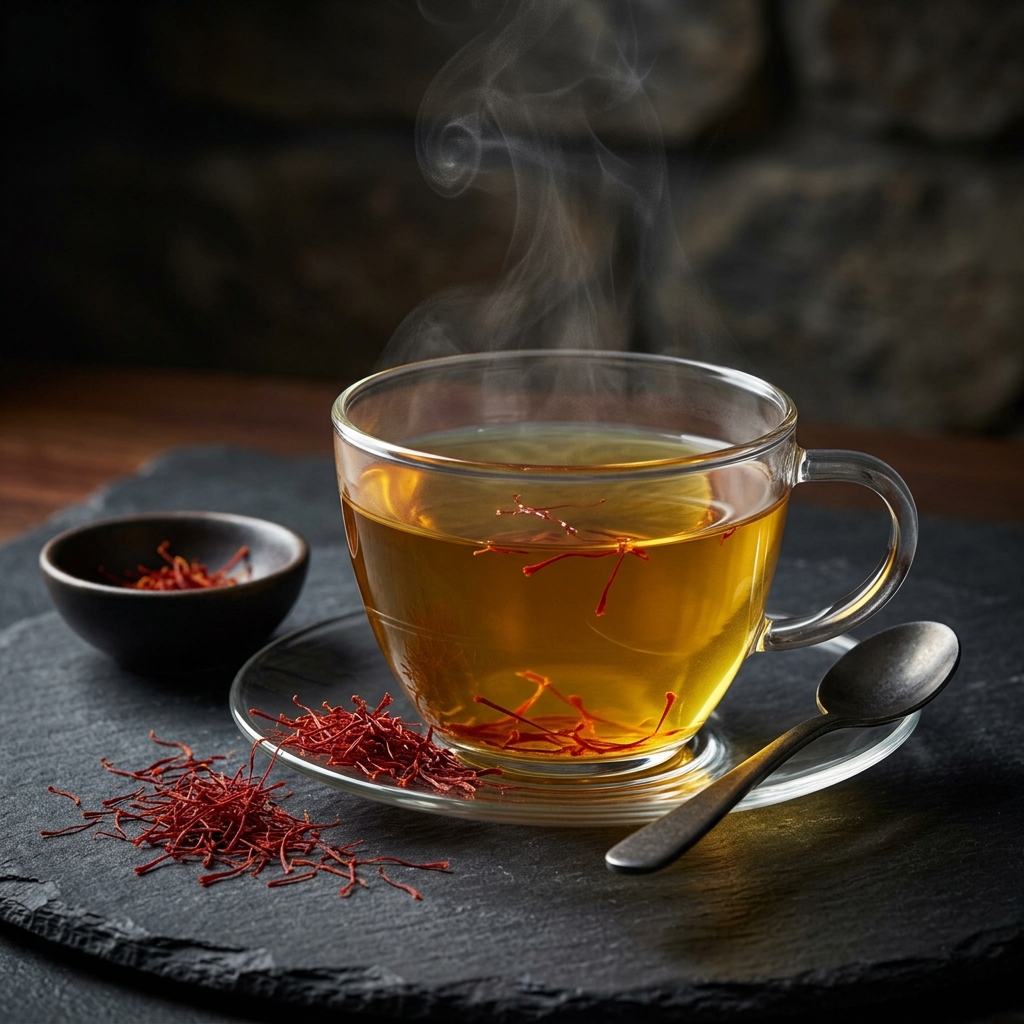
Crocin Resilience Infusion
A delicate extraction of saffron stigmas for neurotransmitter modulation.
Research Focus
Modulates serotonin and dopamine pathways for mood stability.
Steep saffron and cardamom in warm water for 10 minutes.
The water should turn a deep gold.
Sip slowly for emotional and ocular support.
Research Ingredients
- 1 serving Pinch of Saffron Stigmas
- 1 cup Warm Water
- 1 serving Cardamom Pod
Nourishing Focus
Modulates serotonin and dopamine pathways for mood stability.
How to Use Saffron for Health
Daily Routine
To maximize the bioavailability of its active compounds, Saffron should be consumed intentionally.
Form Preference
It is best consumed in its raw or minimally processed form to preserve its delicate enzymatic structure and heat-sensitive antioxidants.
Synergistic Pairings
Optimal Timing
- In the morning on an empty stomach to enhance absorption.
- As a pre-workout or midday snack to provide sustained cellular energy.
- During the largest meal of the day to leverage its synergistic effects with other nutrients.
Sourcing & Preparation
Research Grade Equipment


* As an Amazon Associate I earn from qualifying purchases. See our full disclosure.
Scientific Analysis & Research Insights
ABSTRACT
A systematic review and meta-analysis confirmed that Saffron supplementation significantly improves symptoms of depression and anxiety in adults.
Significant reduction in standardized depression scores
Proven bioactivity of crocin and safranal
Comparable efficacy to standard antidepressants
Substantiated safety and high tolerability
RESEARCH SPECS
Verified evidence for Saffron in mental health and mood care.
foodDetail.researchDisclaimer
Frequently Asked Questions about Saffron
Is saffron good for mood & cognitive support?
Yes, saffron is excellent for mood & cognitive support. Crocin and safranal have demonstrated significant antidepressant and neuroprotective effects in clinical settings.
Can I eat saffron every day?
Yes, incorporating saffron into your daily diet is generally considered safe and highly beneficial. Saffron provides a consistent source of essential nutrients and bioactive compounds that support long-term health.
What is the healthiest way to eat saffron?
The healthiest way to consume saffron is often infusion, which is steeping threads in warm water or milk releases potent bioactive compounds.
Who should avoid saffron?
While saffron is safe for most people, those with specific food allergies or medical conditions should always consult with a healthcare professional or nutritionist before making significant dietary changes.