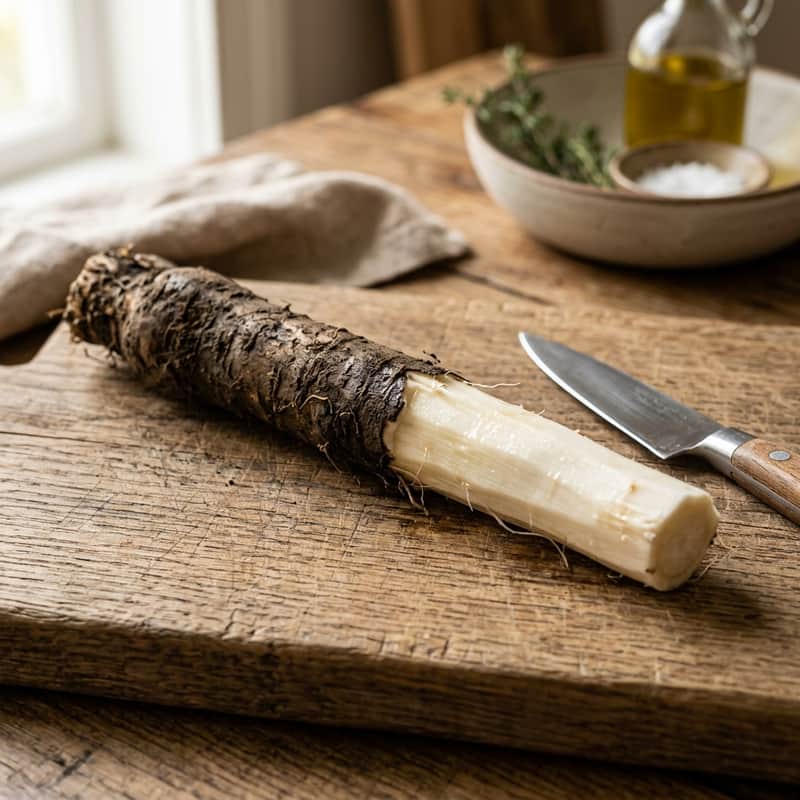
Salsify (Oyster Plant)
Tragopogon porrifolius
Clinical Overview
Renowned for its extraordinary phytochemical profile, Salsify (Oyster Plant) represents a cornerstone of functional nutrition. It provides an unparalleled matrix of essential micronutrients, powerful antioxidants, and unique bioactive compounds. Salsify, often called the oyster plant due to its subtle seafood-like flavor, is a nutrient-dense root vegetable rich in inulin, a powerful prebiotic fiber. It supports gut microbiome diversity, metabolic health, and provides essential minerals like potassium and iron. In the realm of preventative health, Salsify (Oyster Plant) is considered a powerhouse. Its intricate nutritional architecture provides the exact substrate required by the body's enzymatic systems to neutralize free radicals and regulate inflammatory pathways. Furthermore, regular consumption of Salsify (Oyster Plant) has been linked to profound improvements in overall vitality. As researchers continue to uncover the depth of its benefits, it remains one of the most highly recommended dietary additions for those seeking peak health.
Nutrient Profile
Health Benefits
Gut Microbiome Support
High levels of inulin act as a prebiotic, feeding beneficial bifidobacteria in the gut, which enhances digestion and strengthens the intestinal barrier.
Metabolic Regulation
The soluble fiber inulin slows the absorption of glucose in the bloodstream, helping to stabilize blood sugar levels and improve insulin sensitivity.
Cardiovascular Health
Rich in potassium, salsify helps regulate blood pressure by counteracting the effects of sodium, while its fiber content supports healthy cholesterol levels.
Preparation Guide
Roasted or Boiled
Best For: Best consumed roasted, boiled, or mashed to soften its fibrous texture. Peeling should be done immediately before cooking or under running water to prevent oxidation.
Nourishing Recipes
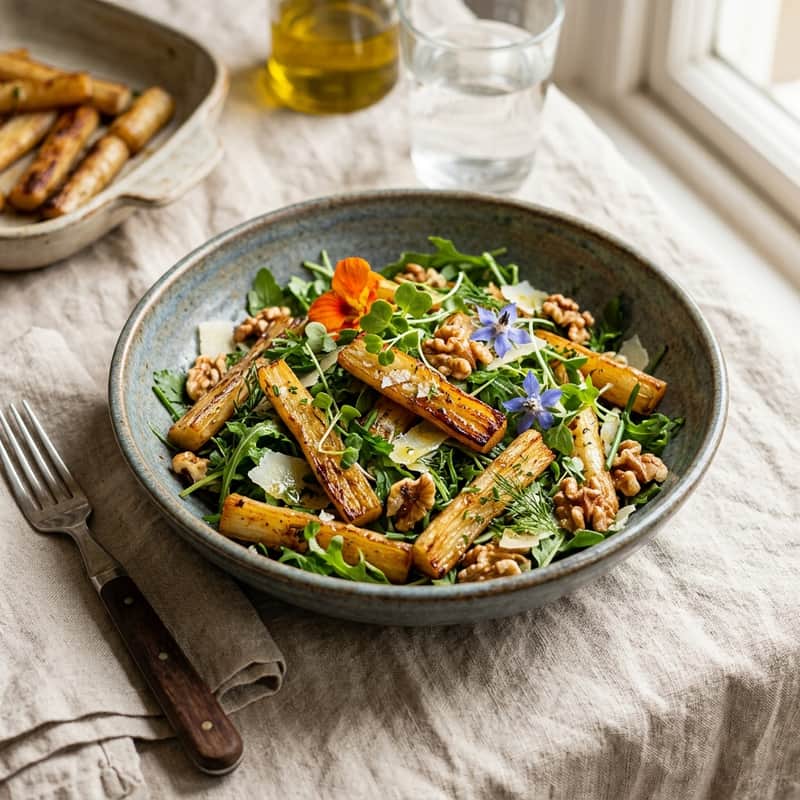
Roasted Salsify and Herb Salad
A warm, earthy salad featuring roasted salsify, fresh herbs, and toasted walnuts, dressed in a light vinaigrette.
Research Focus
Combines prebiotic inulin from salsify with omega-3s from walnuts and polyphenols from fresh herbs to deeply nourish the gut-brain axis.
Preheat oven to 400°F (200°C). Toss salsify pieces with 1 tbsp of olive oil and a pinch of salt.
Roast for 25-30 minutes until golden brown and tender.
In a large bowl, whisk the remaining olive oil and apple cider vinegar.
Toss the warm roasted salsify with the mixed herbs, walnuts, and vinaigrette.
Serve immediately as a gut-nourishing, savory side dish.
Research Ingredients
- 1 lb salsify roots, peeled and chopped into 2-inch pieces
- 2 tbsp extra virgin olive oil
- 1/4 cup toasted walnuts, chopped
- 2 cups mixed fresh herbs (parsley, chives, tarragon)
- 1 tbsp apple cider vinegar
Nourishing Focus
Combines prebiotic inulin from salsify with omega-3s from walnuts and polyphenols from fresh herbs to deeply nourish the gut-brain axis.
How to Use Salsify (Oyster Plant) for Health
Daily Routine
1/2 to 1 cup of cooked salsify per serving.
Form Preference
Best when roasted, pureed into soups, or added to stews.
Synergistic Pairings
Optimal Timing
- Soups
- Roasted Sides
- Salads
Sourcing & Preparation
Research Grade Equipment


* As an Amazon Associate I earn from qualifying purchases. See our full disclosure.
Scientific Analysis & Research Insights
ABSTRACT
Research highlights the significant prebiotic potential of salsify due to its high inulin content, which profoundly modulates the gut microbiota and provides systemic metabolic benefits.
Inulin derived from salsify promotes the growth of beneficial gut flora.
Demonstrates potential to improve lipid profiles and glycemic control.
RESEARCH SPECS
A valuable functional food for microbiome restoration and metabolic syndrome management.
foodDetail.researchDisclaimer
Frequently Asked Questions about Salsify (Oyster Plant)
Does salsify really taste like oysters?
Yes, many people find that the flavor of cooked salsify is subtly reminiscent of oysters or artichoke hearts, with a mild, earthy, and slightly sweet undertone.
Do I need to peel salsify before cooking?
Yes, the dark, bark-like skin should be peeled. Because the flesh oxidizes and discolors rapidly when exposed to air, it is recommended to drop peeled pieces immediately into acidulated water (water with a splash of lemon juice or vinegar).
Is salsify high in carbohydrates?
While it contains carbohydrates, a significant portion comes from inulin, a type of soluble fiber that passes through the digestive system without being broken down into sugar, making it a low-glycemic option.
Can I eat salsify raw?
Salsify is generally not eaten raw due to its tough, fibrous texture and slightly bitter latex sap. Cooking softens it and develops its delicate flavor.
How should I store fresh salsify roots?
Store unwashed salsify roots in a cool, dark place, or in a plastic bag in the crisper drawer of your refrigerator for up to two weeks.