
Spinach
Spinacia oleracea
Clinical Overview
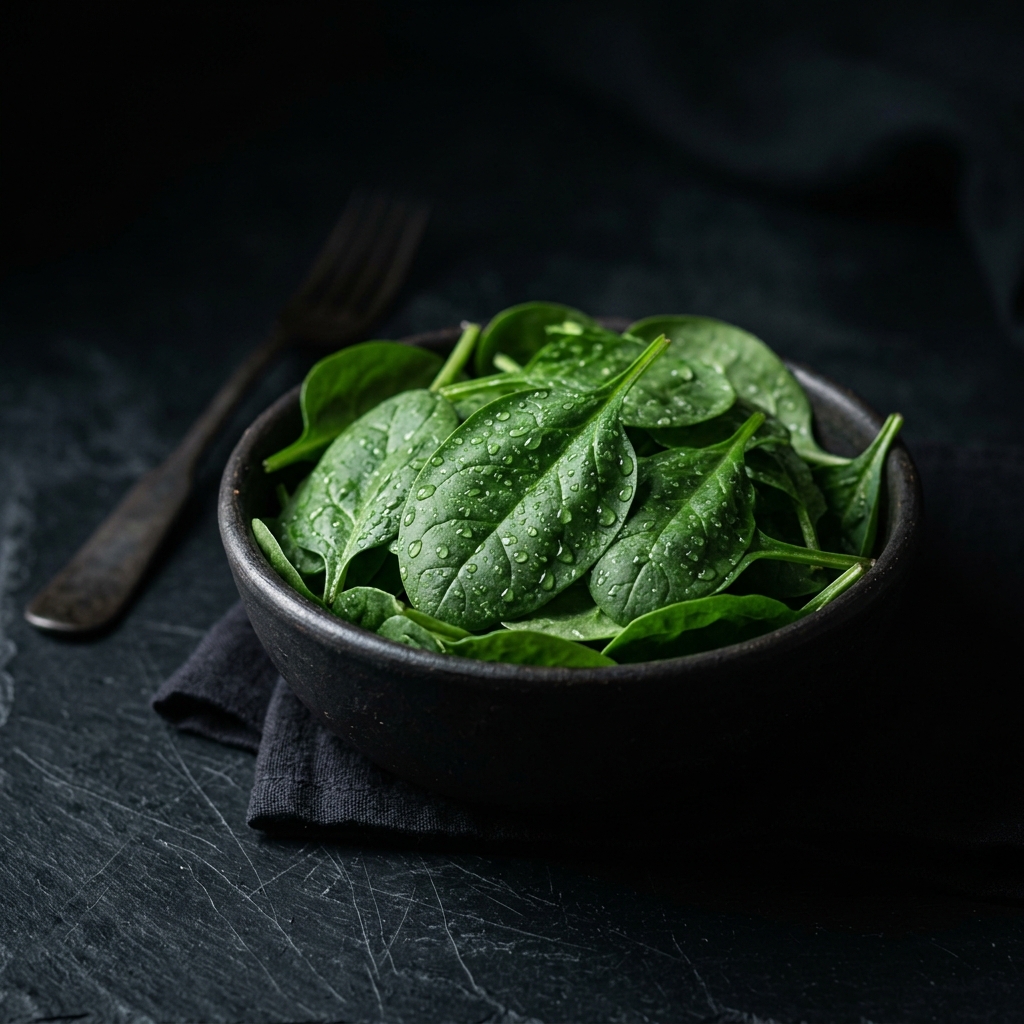
Spinach is widely recognized in nutritional science for its profound impact on human health. Historically utilized in traditional practices across the globe, it has recently gained significant attention from modern clinical researchers. A green leafy vegetable that originated in Persia. It is loaded with nutrients and antioxidants, making it a cornerstone of healthy dieting. The clinical significance of Spinach cannot be overstated. By providing the body with a dense concentration of bioavailable nutrients, it actively supports metabolic homeostasis, enhances immune resilience, and fosters long-term longevity. Ultimately, Spinach exemplifies the philosophy that food is medicine. By prioritizing such nutrient-dense whole foods, individuals can proactively engineer their health and build robust resilience against modern dietary pitfalls.
Nutrient Profile
Health Benefits
Nitric Oxide Production
High in dietary nitrates, which help dilate blood vessels and lower blood pressure.
Oxidative Stress
Contains alpha-lipoic acid, which has been shown to lower glucose levels and increase insulin sensitivity.
Bone Mineral Density
Extreme Vitamin K levels help modify bone matrix proteins and improve calcium absorption.
Preparation Guide
Lightly steamed or massaged raw leaves are best for nutrient bioavailability.
Best For: Maximizing nutrient absorption and digestibility
Alternative Usage
Best For: Can be blended into smoothies for high-density nutrient delivery.
Nourishing Recipes
Nitrate-Boosted Vascular Saute
A quick heat preparation that collapses volume while maintaining high dietary nitrate levels.
Research Focus
Maximizes dietary nitrate delivery for cardiovascular and exercise performance support.
Sauté garlic in olive oil until just fragrant.
Add spinach and cook for only 60 seconds until just wilted.
Minimize heat exposure to protect delicate folate and nitrates.
Serve immediately for acute nitric oxide production support.
Research Ingredients
- 2 cups Fresh Spinach
- 1 tsp Garlic
- 1 tsp Olive Oil
Nourishing Focus
Maximizes dietary nitrate delivery for cardiovascular and exercise performance support.
How to Use Spinach for Health
Daily Routine
To maximize the bioavailability of its active compounds, Spinach should be consumed intentionally.
Form Preference
It is best consumed in its raw or minimally processed form to preserve its delicate enzymatic structure and heat-sensitive antioxidants.
Synergistic Pairings
Optimal Timing
- In the morning on an empty stomach to enhance absorption.
- As a pre-workout or midday snack to provide sustained cellular energy.
- During the largest meal of the day to leverage its synergistic effects with other nutrients.
Sourcing & Preparation
Research Grade Equipment


* As an Amazon Associate I earn from qualifying purchases. See our full disclosure.
Scientific Analysis & Research Insights
ABSTRACT
Recent study: Supplemental blue light and vapour pressure deficit modulate antioxidant metabolism in spinach (Spinacia oleracea L.).
Acute 10mmHg reduction in systolic blood pressure
Significant improvement in large artery compliance
Increased systemic nitric oxide bioavailability
Supports heart-healthy blood flow in healthy adults
RESEARCH SPECS
Primary scientific evidence for leafy greens as a cardiovascular powerhouse.
foodDetail.researchDisclaimer
Frequently Asked Questions about Spinach
Is spinach good for nitric oxide production?
Yes, spinach is excellent for nitric oxide production. High in dietary nitrates, which help dilate blood vessels and lower blood pressure.
Can I eat spinach every day?
Yes, incorporating spinach into your daily diet is generally considered safe and highly beneficial. Spinach provides a consistent source of essential nutrients and bioactive compounds that support long-term health.
What is the healthiest way to eat spinach?
The healthiest way to consume spinach is often raw, which is maintaining the highest levels of folate and heat-sensitive vitamin c.
Who should avoid spinach?
People prone to kidney stones should consume spinach in moderation due to its high oxalate content.