Tamarillo (Tree Tomato)
Solanum betaceum
Clinical Overview
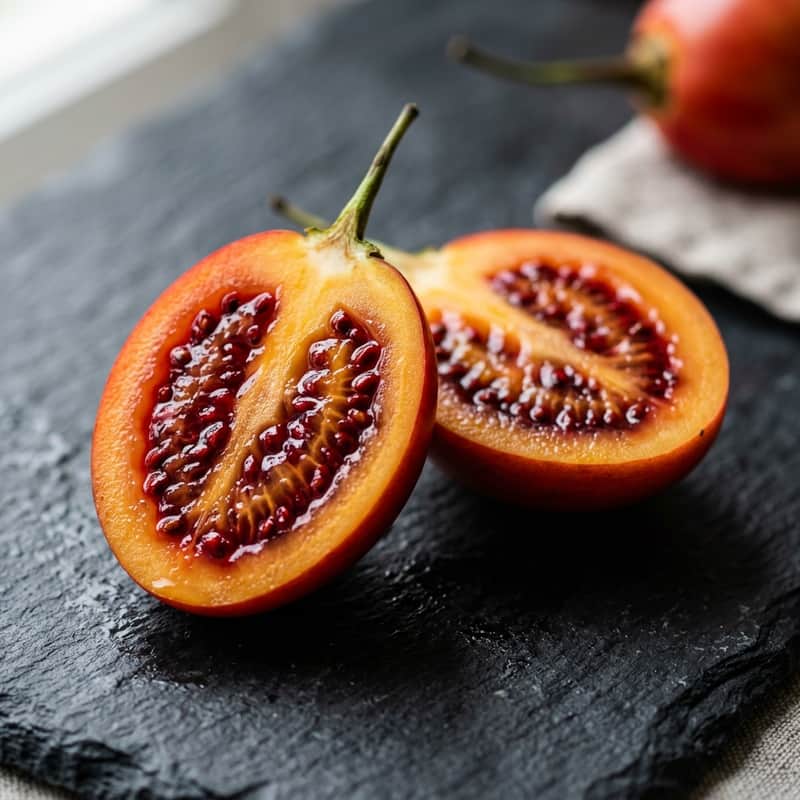
Among the most potent foods in its category, Tamarillo (Tree Tomato) stands out for its unique molecular composition and impressive clinical efficacy. It has been cultivated for centuries and revered for its remarkable ability to support systemic wellness. Tamarillo, or tree tomato, is an egg-shaped fruit with a bold, tangy, and slightly sweet flavor. Native to the Andes, it is exceptionally rich in antioxidants like anthocyanins and carotenoids, which support cardiovascular health, robust immunity, and healthy vision. When integrated into a daily dietary regimen, this remarkable whole food acts as a natural modulator of physiological processes. Its unique blend of fibers, vitamins, and rare secondary metabolites work synergistically to optimize cellular function and defend against oxidative stress. Beyond its primary benefits, Tamarillo (Tree Tomato) serves as a catalyst for holistic wellbeing. Its integration into modern diets bridges the gap between ancient dietary wisdom and contemporary clinical science, offering a pure, whole-food approach to longevity.
Nutrient Profile
Health Benefits
Cardiovascular Protection
Rich in potassium and powerful antioxidants like chlorogenic acid and anthocyanins, tamarillo helps lower blood pressure and prevents the oxidation of LDL cholesterol.
Immune System Support
High levels of Vitamin C and Vitamin A fortify the immune system, stimulate white blood cell production, and combat oxidative stress.
Vision Health
Abundant in beta-carotene (Vitamin A precursor), it protects the retina from free radical damage and supports low-light vision.
Preparation Guide
Peeled and Fresh or Cooked
Best For: Best consumed by scooping the flesh out of the bitter skin. It is excellent fresh in salsas, or cooked down into tangy chutneys and jams.
Nourishing Recipes
Tangy Tamarillo Chutney
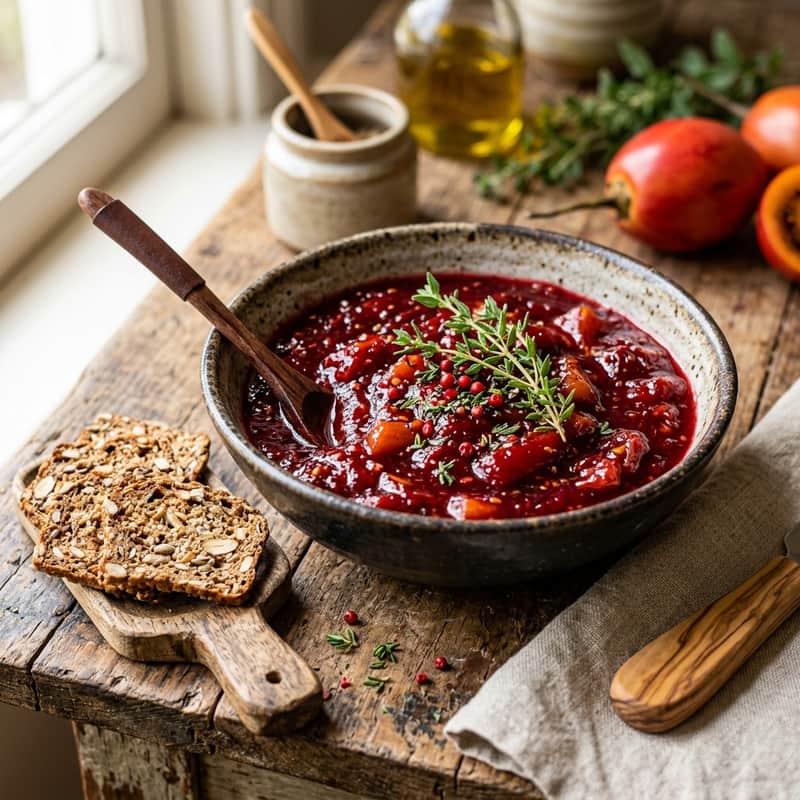
A vibrant, savory-sweet chutney that perfectly balances the tartness of tamarillo with warming spices and natural sweetness.
Research Focus
Combines the anthocyanins of tamarillo with the anti-inflammatory properties of ginger and onion for a potent, immune-boosting condiment.
In a small saucepan, combine the chopped tamarillos, red onion, vinegar, honey, ginger, salt, and chili flakes.
Bring to a gentle simmer over medium heat.
Reduce heat to low and cook for 20-25 minutes, stirring occasionally, until the mixture thickens into a jam-like consistency.
Let cool and serve with whole-grain crackers, roasted vegetables, or as a vibrant condiment.
Research Ingredients
- 4 ripe tamarillos, blanched, peeled, and chopped
- 1 small red onion, finely diced
- 2 tbsp apple cider vinegar
- 1 tbsp honey or maple syrup
- 1/2 tsp ground ginger
- Pinch of sea salt and chili flakes
Nourishing Focus
Combines the anthocyanins of tamarillo with the anti-inflammatory properties of ginger and onion for a potent, immune-boosting condiment.
How to Use Tamarillo (Tree Tomato) for Health
Daily Routine
1 to 2 fresh tamarillos per serving.
Form Preference
Best when the bitter skin is removed; flesh can be eaten raw or cooked.
Synergistic Pairings
Optimal Timing
- Chutneys
- Salsas
- Smoothies
Sourcing & Preparation
Research Grade Equipment


* As an Amazon Associate I earn from qualifying purchases. See our full disclosure.
Scientific Analysis & Research Insights
ABSTRACT
Studies demonstrate that tamarillo possesses potent antioxidant and anti-inflammatory properties due to its high concentration of polyphenols and carotenoids, making it a valuable functional food for mitigating metabolic and cardiovascular risks.
Extracts show significant free-radical scavenging activity.
Dietary inclusion correlates with improved lipid profiles.
RESEARCH SPECS
Provides systemic protection against oxidative stress and supports metabolic wellness.
foodDetail.researchDisclaimer
Frequently Asked Questions about Tamarillo (Tree Tomato)
Can I eat the skin of a tamarillo?
It is generally not recommended to eat the skin of a tamarillo, as it is very tough, bitter, and contains high levels of tannins. The flesh inside is what provides the delicious flavor.
How do you easily peel a tamarillo?
The easiest way to peel a tamarillo is to blanch it. Score a small 'X' on the bottom, drop it in boiling water for 1-2 minutes, then transfer to an ice bath. The skin will slip right off.
What does tamarillo taste like?
Tamarillo has a unique, complex flavor that is tangy, slightly sweet, and bold. It is often described as a mix of tomato, passion fruit, and kiwi.
Are tamarillos related to regular tomatoes?
Yes, they belong to the nightshade family (Solanaceae), just like regular tomatoes, eggplants, and bell peppers. However, they grow on small trees and have a more fruit-like, tart flavor profile.
How can I tell when a tamarillo is ripe?
A ripe tamarillo will yield slightly to gentle pressure and will have a deep, uniform color (often deep red, orange, or gold, depending on the variety). Unripe ones are very firm and much more acidic.