Taro Root
Colocasia esculenta
Clinical Overview
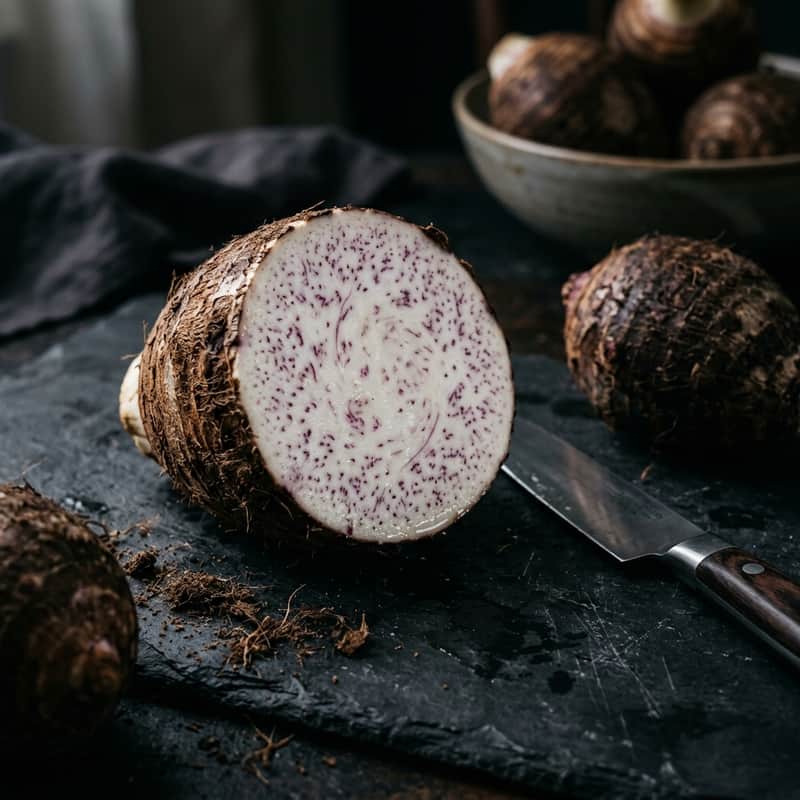
Taro Root is widely recognized in nutritional science for its profound impact on human health. Historically utilized in traditional practices across the globe, it has recently gained significant attention from modern clinical researchers. An ancient, highly digestible starchy root vegetable with a mildly sweet, nutty flavor. Beneath its brown, bark-like skin lies a pale flesh speckled with purple. Taro is revered in tropical cultures as a staple energy source. It is incredibly rich in resistant starch and prebiotic fiber, making it a powerful therapeutic food for gut microbiome restoration and blood sugar stabilization. The clinical significance of Taro Root cannot be overstated. By providing the body with a dense concentration of bioavailable nutrients, it actively supports metabolic homeostasis, enhances immune resilience, and fosters long-term longevity. Ultimately, Taro Root exemplifies the philosophy that food is medicine. By prioritizing such nutrient-dense whole foods, individuals can proactively engineer their health and build robust resilience against modern dietary pitfalls.
Nutrient Profile
Health Benefits
Gut Microbiome Health
Taro is one of the best sources of resistant starch, which bypasses digestion in the small intestine and ferments in the colon, feeding beneficial probiotic bacteria and producing healing short-chain fatty acids (SCFAs).
Blood Sugar Stabilization
Due to its high fiber and resistant starch content, taro has a low glycemic index compared to potatoes, ensuring a slow, steady release of glucose into the bloodstream.
Digestive Healing
When cooked and mashed (like traditional Hawaiian poi), taro becomes highly mucilaginous and easy to digest, making it an excellent recovery food for compromised digestive tracts.
Preparation Guide
Must be cooked thoroughly (boiled, steamed, or baked) to neutralize naturally occurring calcium oxalate crystals.
Best For: Maximizing nutrient absorption and digestibility
Alternative Usage
Best For: Taro powder can be used in baking or smoothies if it has been pre-cooked.
Nourishing Recipes
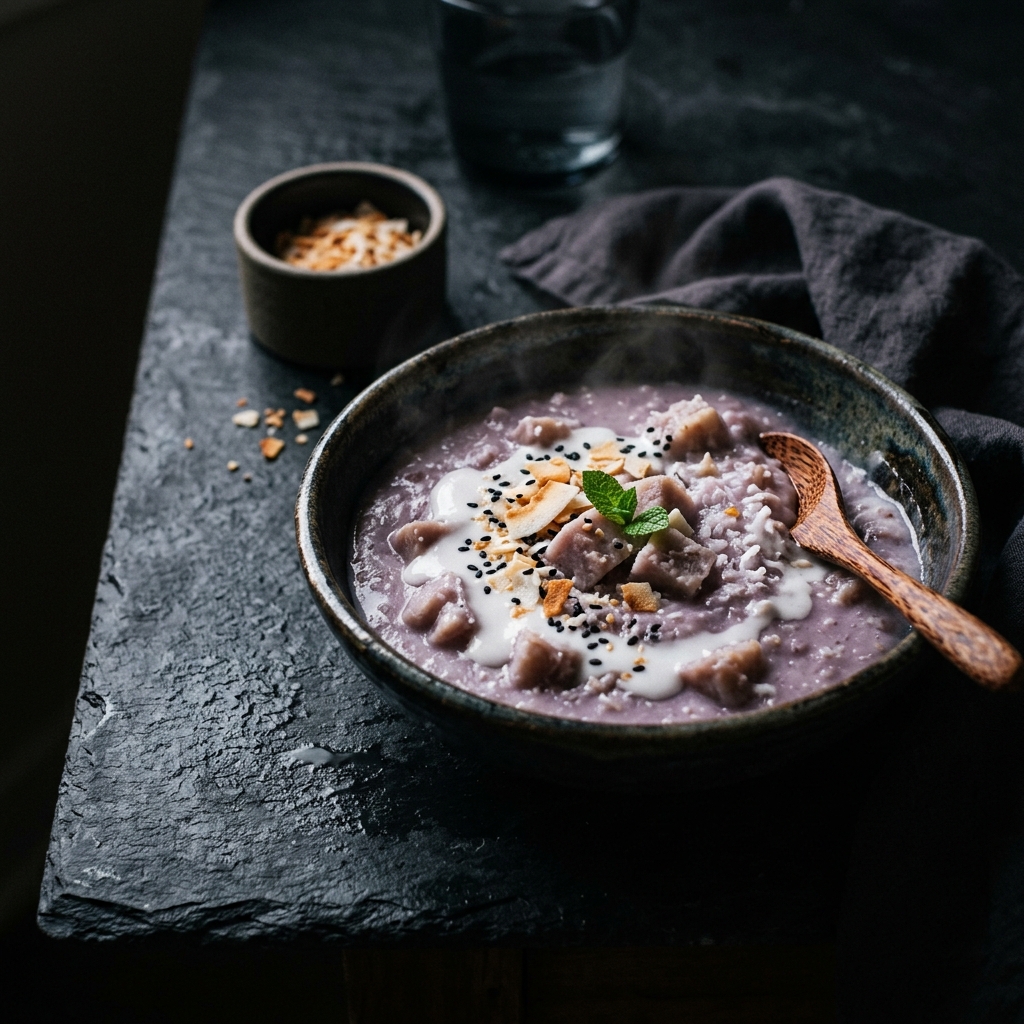
Taro & Coconut Prebiotic Pudding
A comforting, warm pudding that leverages the resistant starch of taro root to heal the gut lining and stabilize energy levels.
Research Focus
Microbiome restoration, gut lining repair, and metabolic stability.
Boil or steam the diced taro root for 20-25 minutes until extremely tender.
Drain the water and mash the taro thoroughly. It will become naturally sticky and starchy.
In a small pot, combine the mashed taro, coconut cream, water, and salt. Warm gently while stirring until it forms a thick pudding consistency.
Serve warm, garnished with a sprinkle of black sesame seeds.
Research Ingredients
- 1 cup Taro root, peeled and diced
- 1/2 cup organic coconut cream
- 1/4 cup water
- A pinch of sea salt
- Black sesame seeds for garnish
Nourishing Focus
Microbiome restoration, gut lining repair, and metabolic stability.
How to Use Taro Root for Health
Daily Routine
To maximize the bioavailability of its active compounds, Taro Root should be consumed intentionally.
Form Preference
It is best consumed in its raw or minimally processed form to preserve its delicate enzymatic structure and heat-sensitive antioxidants.
Synergistic Pairings
Optimal Timing
- In the morning on an empty stomach to enhance absorption.
- As a pre-workout or midday snack to provide sustained cellular energy.
- During the largest meal of the day to leverage its synergistic effects with other nutrients.
Sourcing & Preparation
Research Grade Equipment


* As an Amazon Associate I earn from qualifying purchases. See our full disclosure.
Scientific Analysis & Research Insights
ABSTRACT
Research into the carbohydrate profile of Colocasia esculenta demonstrates its exceptional levels of resistant starch and dietary fiber. Studies confirm that diets high in these specific starches significantly improve insulin sensitivity, reduce postprandial glucose spikes, and alter gut microbiota favorably.
Significant increase in beneficial gut bifidobacteria
Reduction in glycemic index compared to white potatoes
High production of short-chain fatty acids (butyrate)
Improved insulin sensitivity markers
RESEARCH SPECS
Validates taro root as a highly therapeutic carbohydrate for metabolic and gastrointestinal disorders.
foodDetail.researchDisclaimer
Frequently Asked Questions about Taro Root
What makes Taro Root uniquely beneficial compared to other foods in its category?
Taro Root contains a specific matrix of phytonutrients and antioxidants that are highly bioavailable. Unlike isolated supplements, the whole-food structure of Taro Root ensures that its active compounds are absorbed efficiently and utilized optimally by the body's metabolic pathways.
Can I consume Taro Root every day?
Yes, daily consumption is generally considered safe and highly beneficial for most individuals. Consistency is key when leveraging whole foods for clinical outcomes, as the body relies on a steady influx of these micronutrients to maintain cellular health and homeostasis.
How does Taro Root interact with the gut microbiome?
The complex fibers and specific polyphenols found in Taro Root act as powerful prebiotics. They selectively nourish beneficial gut flora, enhancing the production of short-chain fatty acids (SCFAs) which are crucial for maintaining the integrity of the gut lining and modulating systemic inflammation.