
Teff
Eragrostis tef
Clinical Overview
Renowned for its extraordinary phytochemical profile, Teff represents a cornerstone of functional nutrition. It provides an unparalleled matrix of essential micronutrients, powerful antioxidants, and unique bioactive compounds. An exceptionally tiny, ancient gluten-free grain native to the Horn of Africa. Teff is a mineral-rich clinical powerhouse containing highly bioavailable non-heme iron and resistant starch, clinically proven to raise blood hemoglobin levels, elevate serum ferritin, and prevent iron-deficiency anemia in high-risk populations. In the realm of preventative health, Teff is considered a powerhouse. Its intricate nutritional architecture provides the exact substrate required by the body's enzymatic systems to neutralize free radicals and regulate inflammatory pathways. Furthermore, regular consumption of Teff has been linked to profound improvements in overall vitality. As researchers continue to uncover the depth of its benefits, it remains one of the most highly recommended dietary additions for those seeking peak health.
Nutrient Profile
Health Benefits
Dietary Iron Enhancement
Dense bioavailable iron levels elevate serum ferritin and improve hemoglobin synthesis in high-risk anemia groups.
Digestive Resistant Starch
Abundant resistant starch fuels colonic microflora, improving colonic health and overall nutrient absorption.
Gluten-Free Recovery
Provides a nutrient-dense, easily digestible grain option for celiac or gluten-sensitive gastrointestinal repair.
Preparation Guide
Whole cooked teff grain or fermented injera is preferred to ensure mineral bioavailability.
Best For: Maximizing nutrient absorption and digestibility
Alternative Usage
Best For: Millet or Quinoa for highly nutritious, gluten-free mineral support.
Nourishing Recipes
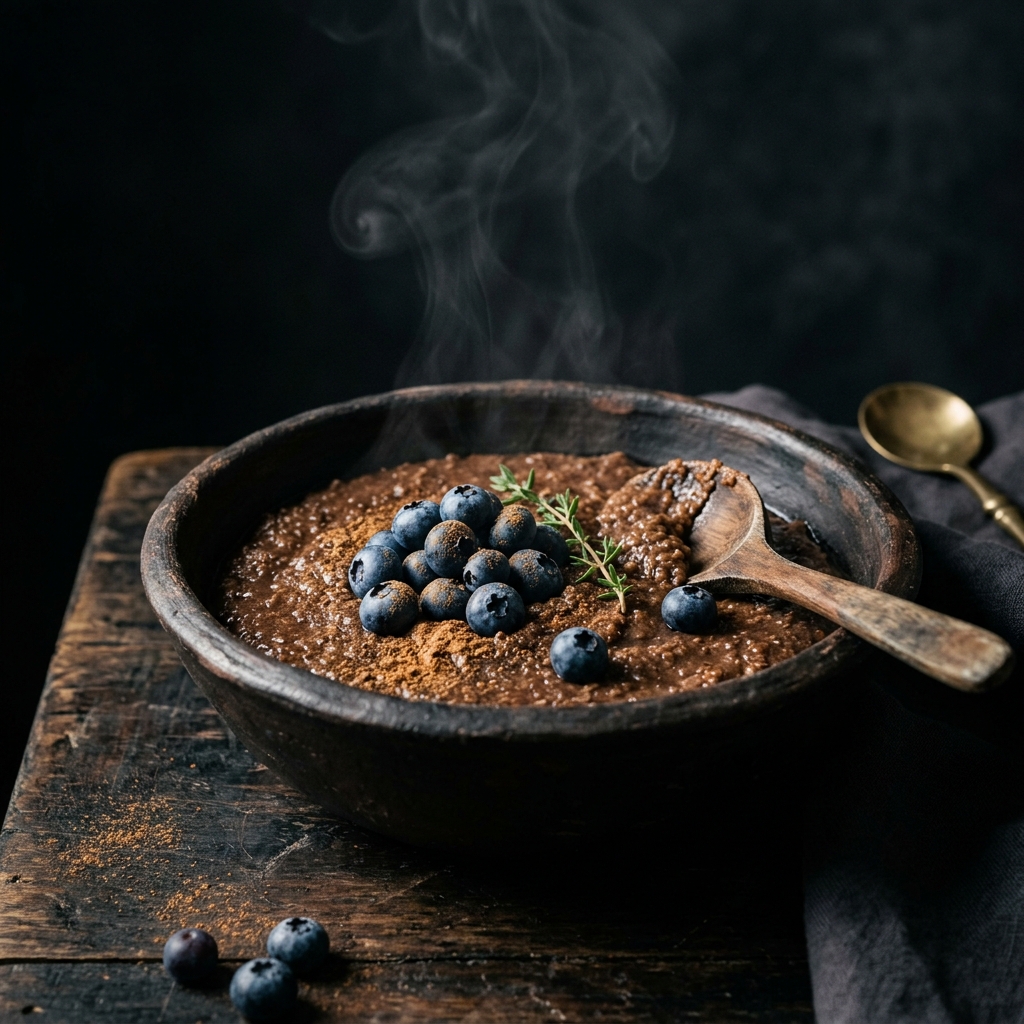
Iron-Rich Spiced Teff Porridge
A warm, comforting, and mineral-dense breakfast porridge of slow-simmered teff grains seasoned with warm spices and antioxidant-rich blueberries.
Research Focus
Delivers non-heme iron paired with cinnamon's antioxidants for metabolic energy and cellular oxygen transport.
Rinse the teff grain in a fine mesh strainer.
In a ceramic pot, bring filtered water to a gentle boil, then stir in the teff.
Reduce heat to low, cover, and simmer for 15-20 minutes until water is completely absorbed.
Remove from heat, let stand covered for 5 minutes, then stir in Ceylon cinnamon.
Transfer to a bowl, top with fresh blueberries, and enjoy warm.
Research Ingredients
- 1/2 cup Whole Teff Grain (dark)
- 1.5 cups Filtered Water
- 1/2 tsp Ground Ceylon Cinnamon
- 1/4 cup Fresh Blueberries
Nourishing Focus
Delivers non-heme iron paired with cinnamon's antioxidants for metabolic energy and cellular oxygen transport.
How to Use Teff for Health
Daily Routine
To maximize the bioavailability of its active compounds, Teff should be consumed intentionally.
Form Preference
It is best consumed in its raw or minimally processed form to preserve its delicate enzymatic structure and heat-sensitive antioxidants.
Synergistic Pairings
Optimal Timing
- In the morning on an empty stomach to enhance absorption.
- As a pre-workout or midday snack to provide sustained cellular energy.
- During the largest meal of the day to leverage its synergistic effects with other nutrients.
Sourcing & Preparation
Research Grade Equipment


* As an Amazon Associate I earn from qualifying purchases. See our full disclosure.
Scientific Analysis & Research Insights
ABSTRACT
A clinical interventional study confirming that daily dietary consumption of iron-rich Teff grain significantly increases serum ferritin, maintains healthy hemoglobin levels, and effectively prevents iron-deficiency anemia in pregnant women.
Significant elevation in serum ferritin and baseline iron markers
Successful maintenance of optimal blood hemoglobin concentrations
Enhanced intestinal tolerance compared to standard oral iron supplements
Substantial dietary prevention of iron-deficiency anemia in pregnant subjects
RESEARCH SPECS
Establishes Teff as a premier functional grain for systemic iron delivery, hematological health, and anemia prevention.
foodDetail.researchDisclaimer
Frequently Asked Questions about Teff
Why is Teff so high in iron?
Teff is exceptionally high in iron because the grain is so tiny that it is almost impossible to mill out the bran and germ, where most of the minerals are concentrated. Consequently, you consume the entire seed, delivering much higher mineral density than processed grains.
Is Teff gluten-free?
Yes, Teff is 100% naturally gluten-free. It is a highly nutritious and safe grain alternative for individuals with celiac disease, gluten sensitivity, or those looking to reduce systemic inflammation.
How do you cook Teff?
Teff cooks similarly to millet or quinoa. Simply combine 1 part teff grain with 3 parts water, bring to a boil, cover, and simmer on low for 15 to 20 minutes until the water is absorbed and the grain is tender.
What is the difference between brown and ivory Teff?
Brown teff has a deep, earthy, slightly nutty chocolate flavor and is richer in iron. Ivory teff has a milder, sweeter flavor. Both share virtually identical nutritional benefits, but brown teff is preferred for iron enhancement.