
Wakame
Undaria pinnatifida
Clinical Overview
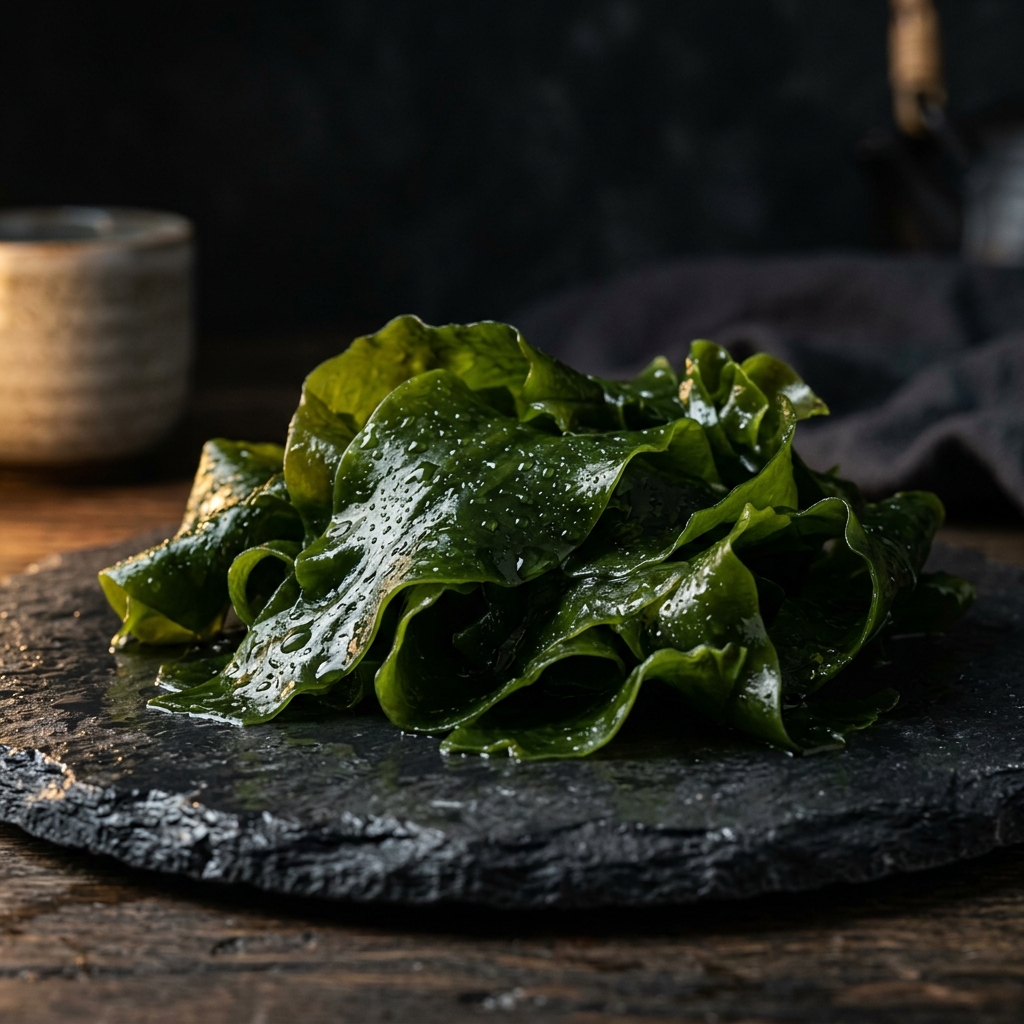
Renowned for its extraordinary phytochemical profile, Wakame represents a cornerstone of functional nutrition. It provides an unparalleled matrix of essential micronutrients, powerful antioxidants, and unique bioactive compounds. A delicate, sweet, dark green seaweed native to cold temperate coastal waters of the Northwest Pacific. Wakame is a metabolic clinical powerhouse rich in fucoxanthin, sodium alginate, and soluble marine fibers clinically proven to blunt postprandial glucose surges, moderate insulin responses, and improve long-term glucose homeostasis. In the realm of preventative health, Wakame is considered a powerhouse. Its intricate nutritional architecture provides the exact substrate required by the body's enzymatic systems to neutralize free radicals and regulate inflammatory pathways. Furthermore, regular consumption of Wakame has been linked to profound improvements in overall vitality. As researchers continue to uncover the depth of its benefits, it remains one of the most highly recommended dietary additions for those seeking peak health.
Nutrient Profile
Health Benefits
Postprandial Glycemia Control
Marine alginates and soluble fibers form a viscous gel in the stomach, delaying glucose absorption and reducing post-meal blood sugar spikes.
Insulin Sensitivity Support
Fucoxanthin carotenoids stimulate cellular GLUT4 translocation, improving glucose clearance and reducing the necessary insulin response.
Thyroid & Thyroidal Energy Synthesis
Provides natural bioavailable iodine, supporting optimal thyroid hormone synthesis and healthy baseline metabolic rate.
Preparation Guide
Raw, hydrated leaves served chilled to keep alginates and fucoxanthin fully active.
Best For: Maximizing nutrient absorption and digestibility
Alternative Usage
Best For: Dulse or Kelp for mineral-dense thyroid and metabolic glucose support.
Nourishing Recipes
Wakame Cucumber Salad (Sunomono)
A crisp, refreshing, and highly viscous Japanese-style salad combining hydrated Wakame seaweed with thinly sliced cucumber, toasted sesame seeds, and a light rice vinegar dressing to blunt blood sugar spikes after meals.
Research Focus
Delivers highly viscous alginate fibers to the digestive tract to delay glucose absorption and starch breakdown.
Soak the dried wakame in warm filtered water for 5-10 minutes until fully expanded and soft.
Drain the wakame well, gently squeezing out excess water, and slice into bite-sized pieces.
In a ceramic bowl, toss the sliced cucumbers and hydrated wakame with rice vinegar.
Garnish with toasted white and black sesame seeds and serve chilled.
Research Ingredients
- 4 g Dried Wakame Seaweed (hydrated)
- 1 small Cucumber (thinly sliced)
- 1 tbsp Rice Vinegar
- 1 tsp Sesame Seeds (toasted)
Nourishing Focus
Delivers highly viscous alginate fibers to the digestive tract to delay glucose absorption and starch breakdown.
How to Use Wakame for Health
Daily Routine
To maximize the bioavailability of its active compounds, Wakame should be consumed intentionally.
Form Preference
It is best consumed in its raw or minimally processed form to preserve its delicate enzymatic structure and heat-sensitive antioxidants.
Synergistic Pairings
Optimal Timing
- In the morning on an empty stomach to enhance absorption.
- As a pre-workout or midday snack to provide sustained cellular energy.
- During the largest meal of the day to leverage its synergistic effects with other nutrients.
Sourcing & Preparation
Research Grade Equipment


* As an Amazon Associate I earn from qualifying purchases. See our full disclosure.
Scientific Analysis & Research Insights
ABSTRACT
A randomized crossover clinical trial demonstrating that the addition of 4 g dried wakame to a standard white rice meal significantly lowers postprandial blood glucose levels and blunts the insulin response at 30 minutes post-ingestion compared to rice alone.
Significant reduction in postprandial blood glucose concentration at 30 minutes
Pronounced blunting of incremental area under the curve (iAUC) for insulin
Viscous marine fibers shown to delay gastric emptying and slow starch digestion
Favorable glycemic control particularly in subjects with prediabetic baseline profiles
RESEARCH SPECS
Validates Wakame as an outstanding, simple dietary strategy to manage blood sugar spikes and improve postprandial insulin efficiency.
foodDetail.researchDisclaimer
Frequently Asked Questions about Wakame
Why is Wakame beneficial for blood sugar control?
Wakame contains unique soluble marine fibers (alginates) that absorb water in the stomach and form a viscous gel. This slows down the rate of gastric emptying and starch digestion, ensuring glucose enters the bloodstream gradually.
How much iodine is in Wakame?
Wakame is very rich in natural iodine. A single serving of 4g dried wakame provides ample iodine to support thyroid health. Individuals with hyperthyroidism should monitor their total intake.
Can I eat Wakame daily?
Yes, consuming small dietary amounts (approx 3-5g dried, or a cup of fresh salad) daily is highly safe, nutritious, and excellent for metabolic wellness.
What is the difference between Wakame and Nori?
Wakame is a dark green brown alga with a delicate, slippery texture typically used in salads and soups, whereas Nori is a red alga processed into dry sheets commonly used for wrapping sushi.