
Wasabi
Eutrema japonicum
Clinical Overview
Wasabi is widely recognized in nutritional science for its profound impact on human health. Historically utilized in traditional practices across the globe, it has recently gained significant attention from modern clinical researchers. A pungent green rhizome native to Japan, famously used as a condiment. Wasabi is a potent neuroprotective and cognitive-enhancing powerhouse containing 6-MSITC (6-methylsulfinylhexyl isothiocyanate), a unique bioactive compound clinically proven to significantly improve both episodic and working memory in healthy older adults. The clinical significance of Wasabi cannot be overstated. By providing the body with a dense concentration of bioavailable nutrients, it actively supports metabolic homeostasis, enhances immune resilience, and fosters long-term longevity. Ultimately, Wasabi exemplifies the philosophy that food is medicine. By prioritizing such nutrient-dense whole foods, individuals can proactively engineer their health and build robust resilience against modern dietary pitfalls.
Nutrient Profile
Health Benefits
Episodic & Working Memory Enhancement
6-MSITC selectively reduces neuroinflammation and oxidative stress in the hippocampus, significantly improving verbal memory and face-name association tasks.
Neuroprotective Antioxidant Activation
Activates the Nrf2 signaling pathway, upregulating antioxidant enzymes to protect neurons from beta-amyloid-induced damage.
Anti-inflammatory Enzyme Inhibition
Inhibits cyclooxygenase-2 (COX-2) and inducible nitric oxide synthase (iNOS), lowering systemic inflammatory cytokines.
Preparation Guide
Raw, freshly grated paste consumed immediately to maximize active volatile compounds.
Best For: Maximizing nutrient absorption and digestibility
Alternative Usage
Best For: Horseradish or Mustard seeds for similar phase II enzyme induction and anti-inflammatory support.
Nourishing Recipes
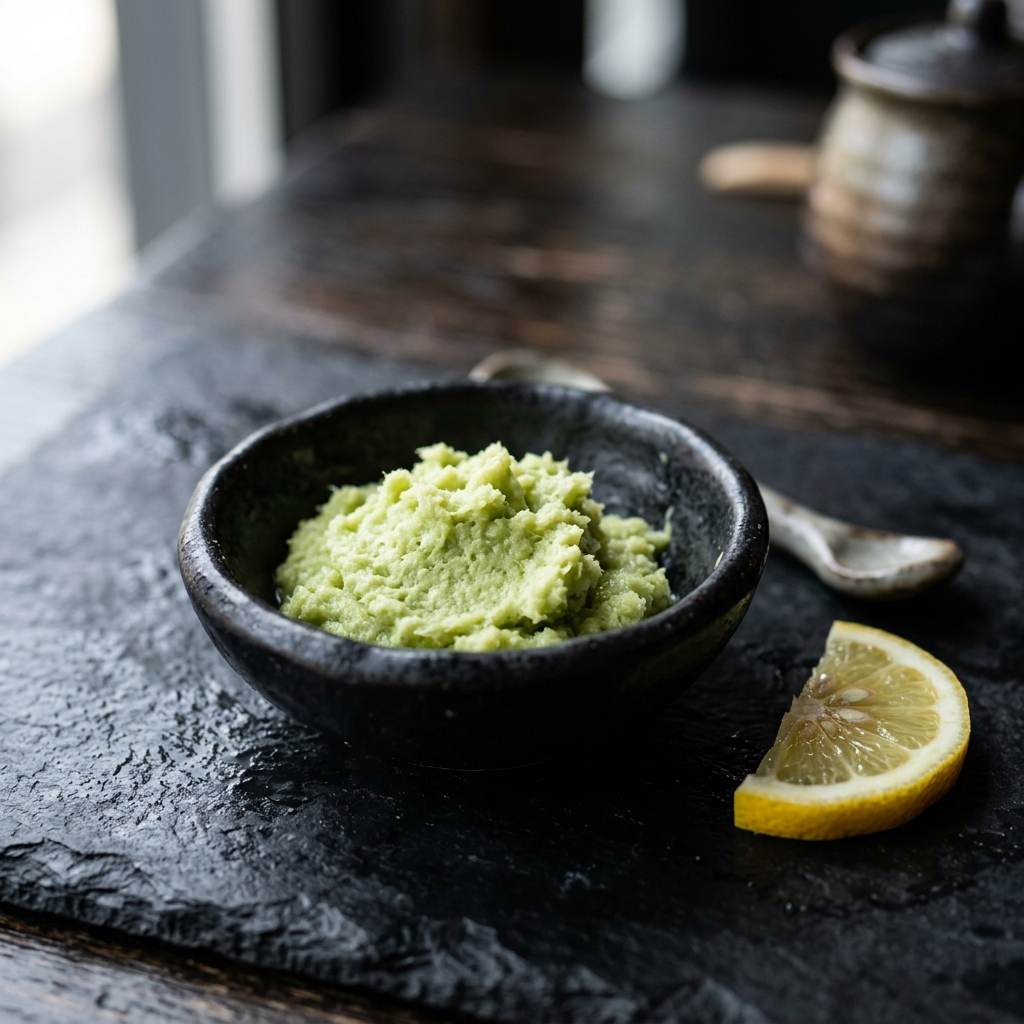
Cognitive Activation Wasabi Paste
A traditional, freshly grated wasabi preparation designed to trigger the rapid release of volatile isothiocyanates for immediate antioxidant and neuroprotective effects.
Research Focus
Triggers the enzymatic conversion of glucosinolates into bioactive 6-MSITC, supporting hippocampal blood flow and antioxidant pathways.
If using a fresh rhizome, trim any outer bumps and grate in a circular motion on a fine grater.
Gather the grated paste into a small ball and let it rest at room temperature for 2-3 minutes to allow myrosinase to activate.
Drizzle with a tiny touch of fresh lemon juice to stabilize the active volatile compounds.
Consume raw within 15-20 minutes before the volatile aromas and sharp pungency dissipate.
Research Ingredients
- 1 fresh Wasabi Rhizome (or high-quality 100% pure wasabi powder)
- 1 tsp Cold Filtered Water (if using powder)
- 1/2 tsp Fresh Lemon Juice
Nourishing Focus
Triggers the enzymatic conversion of glucosinolates into bioactive 6-MSITC, supporting hippocampal blood flow and antioxidant pathways.
How to Use Wasabi for Health
Daily Routine
To maximize the bioavailability of its active compounds, Wasabi should be consumed intentionally.
Form Preference
It is best consumed in its raw or minimally processed form to preserve its delicate enzymatic structure and heat-sensitive antioxidants.
Synergistic Pairings
Optimal Timing
- In the morning on an empty stomach to enhance absorption.
- As a pre-workout or midday snack to provide sustained cellular energy.
- During the largest meal of the day to leverage its synergistic effects with other nutrients.
Sourcing & Preparation
Research Grade Equipment


* As an Amazon Associate I earn from qualifying purchases. See our full disclosure.
Scientific Analysis & Research Insights
ABSTRACT
A randomized, double-blind, placebo-controlled trial demonstrating that 12 weeks of daily wasabi extract supplementation containing 0.8 mg of 6-MSITC significantly improves both episodic and working memory performance in healthy older adults.
Significant improvement in Wechsler Memory Scale (WMS) episodic memory scores
Marked enhancement in working memory performance and face-name association
Selective antioxidant action within the brain's hippocampal region
Excellent cognitive safety profile and high patient compliance
RESEARCH SPECS
Establishes Wasabi extract as one of the most effective, safe natural interventions for age-related cognitive decline and memory optimization.
foodDetail.researchDisclaimer
Frequently Asked Questions about Wasabi
Is the wasabi paste at most restaurants real wasabi?
No, most commercial sushi restaurants serve a mixture of horseradish, mustard flour, and green food coloring. Real wasabi is made from the grated stem of Eutrema japonicum and is pale green with a complex, sweet, and pungent flavor.
What makes wasabi beneficial for memory?
Wasabi contains 6-MSITC, a unique isothiocyanate that crosses the blood-brain barrier. It reduces neuroinflammation, activates cellular antioxidant defenses via the Nrf2 pathway, and enhances neural plasticity in the hippocampus.
Can cooking wasabi reduce its benefits?
Yes, the enzyme myrosinase and the active isothiocyanates are highly heat-sensitive. Always consume wasabi raw and fresh to preserve its cognitive and therapeutic benefits.
How quickly should I consume grated wasabi?
Freshly grated wasabi reaches its peak flavor and therapeutic potency within 5 minutes, but the active compounds begin to evaporate and degrade after 15-20 minutes. Consume it immediately after grating.