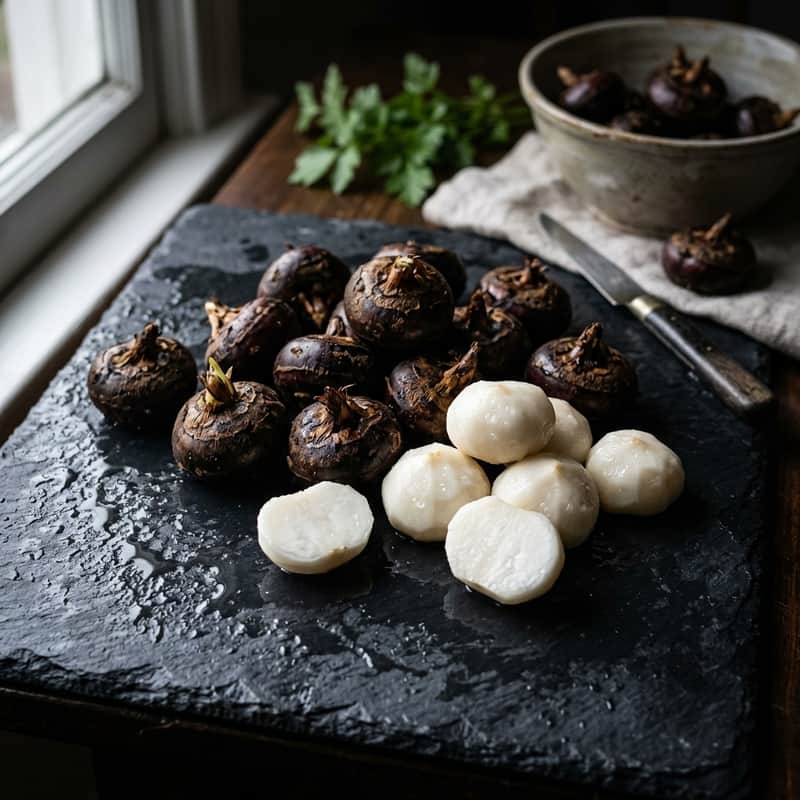
Water Chestnut
Eleocharis dulcis
Clinical Overview
Water Chestnuts are unique aquatic vegetables renowned for their remarkable ability to retain a crisp, crunchy texture even after prolonged cooking or processing. This resilience is due to a highly structured cellular network that resists thermal degradation. Beyond their culinary appeal, water chestnuts are a clinically significant source of potassium, which is critical for regulating fluid balance, nerve transmission, and maintaining a healthy resting blood pressure. They are also rich in ferulic acid, a highly bioavailable phenolic antioxidant that protects cellular membranes from oxidative stress and plays a role in slowing down neurodegeneration. Medically, the high water content and specific dietary fibers found in water chestnuts make them incredibly effective at supporting gastrointestinal motility and alleviating inflammation within the digestive tract. With their low calorie density and robust micronutrient profile, they serve as a powerful functional food for cardiovascular and metabolic health.
Nutrient Profile
Health Benefits
Blood Pressure Regulation
The high potassium-to-sodium ratio acts as a natural vasodilator, relaxing blood vessels and effectively lowering systemic blood pressure.
Digestive Integrity
Rich in hydrating fluids and distinct dietary fibers that promote regular bowel motility and soothe the gastrointestinal lining.
Oxidative Defense
Contains substantial amounts of ferulic acid, a powerful antioxidant that protects tissues from free radical damage and chronic inflammation.
Preparation Guide
Raw (Peeled)
Best For: Maximizing the intake of heat-sensitive vitamins like Vitamin C and B-complex, while enjoying the maximum crunch.
Lightly Stir-Fried
Best For: Retaining the structural integrity and crunch while softening the fibers slightly for enhanced digestion.
Nourishing Recipes
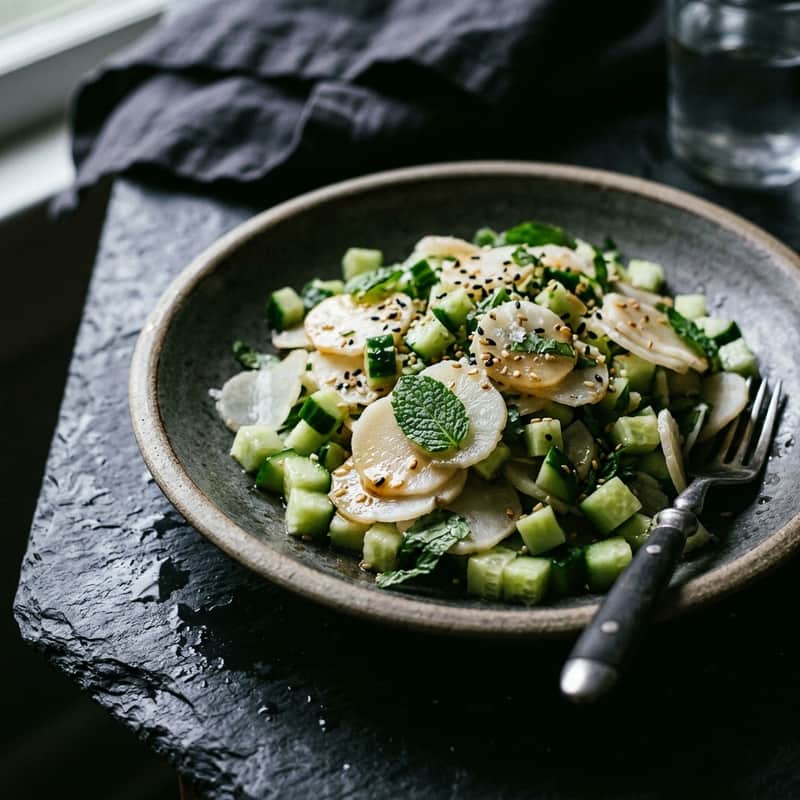
Crisp Ferulic Acid Salad
A hydrating, antioxidant-rich raw salad designed to deliver a massive dose of stable ferulic acid and potassium for vascular health.
Research Focus
Vascular dilation, hydration, and oxidative stress reduction.
Thoroughly wash and peel 1 cup of fresh water chestnuts, then slice them thinly.
In a bowl, combine the sliced water chestnuts with 1 cup of diced cucumber and fresh mint leaves.
Whisk together 1 tablespoon of sesame oil, 1 tablespoon of rice vinegar, and a dash of tamari.
Toss the dressing with the vegetables and let marinate for 10 minutes before serving.
Research Ingredients
- 1 cup fresh water chestnuts (peeled/sliced)
- 1 cup diced cucumber
- Fresh mint leaves
- Sesame oil and rice vinegar
Nourishing Focus
Vascular dilation, hydration, and oxidative stress reduction.
How to Use Water Chestnut for Health
Daily Routine
1/2 cup (approx. 70g) per day.
Form Preference
Best consumed fresh and lightly peeled to maximize hydration and ferulic acid intake.
Synergistic Pairings
Optimal Timing
- With lunch or dinner, acting as a high-volume, low-calorie food to promote satiety and aid in weight management.
Sourcing & Preparation
Research Grade Equipment


* As an Amazon Associate I earn from qualifying purchases. See our full disclosure.
Scientific Analysis & Research Insights
ABSTRACT
Scientific evaluations of Eleocharis dulcis focus on its unique phenolic compounds, particularly ferulic acid, and their role in mitigating chronic oxidative stress.
Extracts of water chestnut demonstrate high radical scavenging ability, largely attributed to ferulic acid, which remains highly stable even after thermal processing.
RESEARCH SPECS
Water chestnuts provide a thermally stable source of antioxidants, ensuring their clinical benefits are preserved even in cooked dishes.
foodDetail.researchDisclaimer
Frequently Asked Questions about Water Chestnut
Are water chestnuts a type of nut?
No, despite the name, water chestnuts are not nuts at all. They are the tuberous roots (corms) of an aquatic plant, making them completely safe for individuals with tree nut allergies.
Why do water chestnuts stay crunchy when cooked?
They contain specific phenolic compounds that cross-link with plant cell walls, preventing the cells from collapsing and turning mushy when exposed to heat.
Can I use canned water chestnuts instead of fresh?
While canned water chestnuts retain their crunch and some fiber, fresh water chestnuts have significantly higher levels of heat-sensitive vitamins and a superior, naturally sweet flavor.