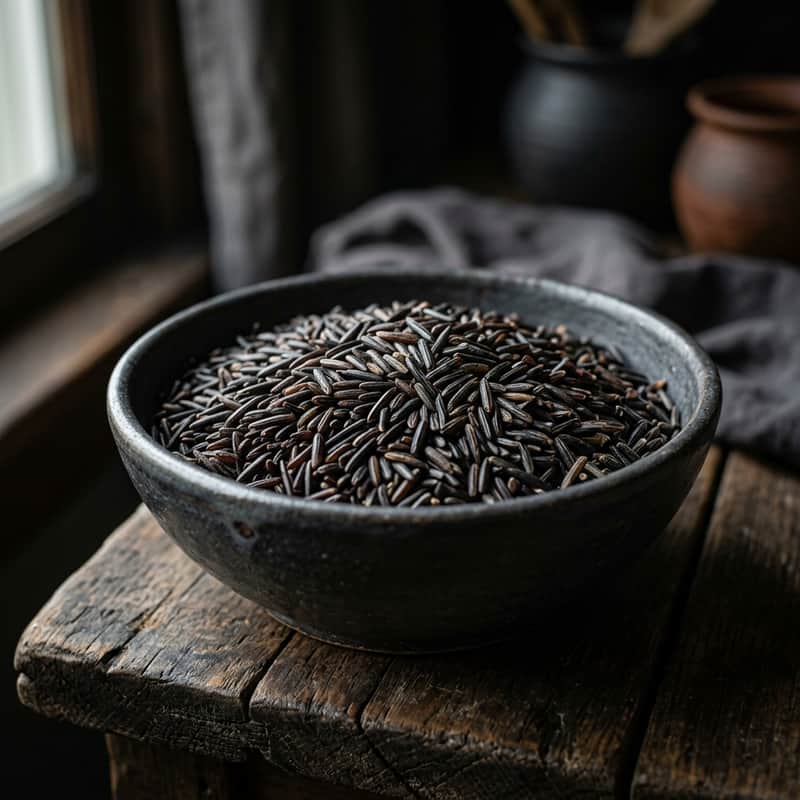
Wild Rice
Zizania aquatica
Clinical Overview
Wild Rice, traditionally known as Manoomin, is not a true rice but the seed of an aquatic grass native to North America. This remarkable grain stands out in the botanical world for its exceptionally high protein content and robust amino acid profile, far surpassing conventional white or brown rice. Wild rice is characterized by its dark, striking color, which is a visual indicator of its massive concentration of anthocyanins and phenolic antioxidants. These compounds play a critical role in mitigating oxidative stress and reducing systemic inflammation. Clinically, wild rice is a low-glycemic, high-fiber food that excels in stabilizing postprandial blood sugar levels, making it highly effective for metabolic health and insulin sensitivity. Furthermore, it is naturally gluten-free and packed with essential minerals like zinc, phosphorus, and magnesium, which are vital for bone density, enzymatic function, and maintaining a healthy immune response.
Nutrient Profile
Health Benefits
Metabolic Stability
High dietary fiber and a low glycemic index ensure slow glucose absorption, preventing blood sugar spikes and supporting insulin sensitivity.
Oxidative Stress
The dark bran layer is loaded with anthocyanins and flavonoids that neutralize free radicals and protect cellular DNA.
Muscle & Tissue Repair
Provides a complete protein profile with significantly higher essential amino acids than standard rice, supporting structural repair.
Preparation Guide
Boiling / Simmering
Best For: The most common method; requires 45-60 minutes of simmering to properly burst the tough outer bran and make nutrients bioavailable.
Soaking and Sprouting
Best For: Neutralizing phytic acid, significantly increasing the bioavailability of zinc and magnesium, and reducing cooking time.
Nourishing Recipes
Antioxidant Wild Rice & Mushroom Medley
A deeply nourishing, high-protein grain bowl leveraging the synergy between wild rice antioxidants and the beta-glucans of medicinal mushrooms.
Research Focus
Metabolic regulation and immune system potentiation.
Rinse 1 cup of wild rice thoroughly under cold water.
In a pot, combine the rice with 3 cups of bone broth (or vegetable broth) and bring to a boil.
Reduce heat, cover, and simmer for 45 minutes until the grains split open.
In a separate pan, sauté chopped shiitake and maitake mushrooms in olive oil until golden.
Toss the cooked wild rice with the mushrooms, fresh parsley, and a squeeze of lemon juice.

Research Ingredients
- 1 cup raw wild rice
- 3 cups broth
- 1 cup mixed mushrooms (shiitake, maitake)
- Fresh parsley and lemon juice
Nourishing Focus
Metabolic regulation and immune system potentiation.
How to Use Wild Rice for Health
Daily Routine
1/2 to 1 cup (cooked) per day as a carbohydrate source.
Form Preference
Best consumed boiled or pressure-cooked until the grains 'pop' to ensure optimal digestibility.
Synergistic Pairings
Optimal Timing
- Post-workout or during evening meals to replenish glycogen stores while providing a sustained, slow-release energy source.
Sourcing & Preparation
Research Grade Equipment


* As an Amazon Associate I earn from qualifying purchases. See our full disclosure.
Scientific Analysis & Research Insights
ABSTRACT
Research highlights the superior antioxidant profile of wild rice compared to white rice, specifically its role in lipid regulation and oxidative defense.
Wild rice consumption significantly improves lipid profiles and enhances overall antioxidant status in models of insulin resistance.
RESEARCH SPECS
Substituting conventional rice with wild rice can act as a powerful dietary intervention to combat cardiovascular disease and metabolic syndrome.
foodDetail.researchDisclaimer
Frequently Asked Questions about Wild Rice
Is wild rice actually a type of rice?
No, wild rice (Zizania) is technically the seed of a semi-aquatic grass, whereas common rice belongs to the Oryza genus. However, they share a similar culinary application.
Does wild rice contain gluten?
Wild rice is 100% naturally gluten-free, making it an excellent, high-protein grain alternative for individuals with celiac disease or gluten sensitivity.
Why does wild rice take so long to cook?
Wild rice has an extremely dense, protective outer bran layer designed to survive harsh aquatic environments. It requires extended simmering (45-60 mins) to penetrate this layer and make the grain digestible.