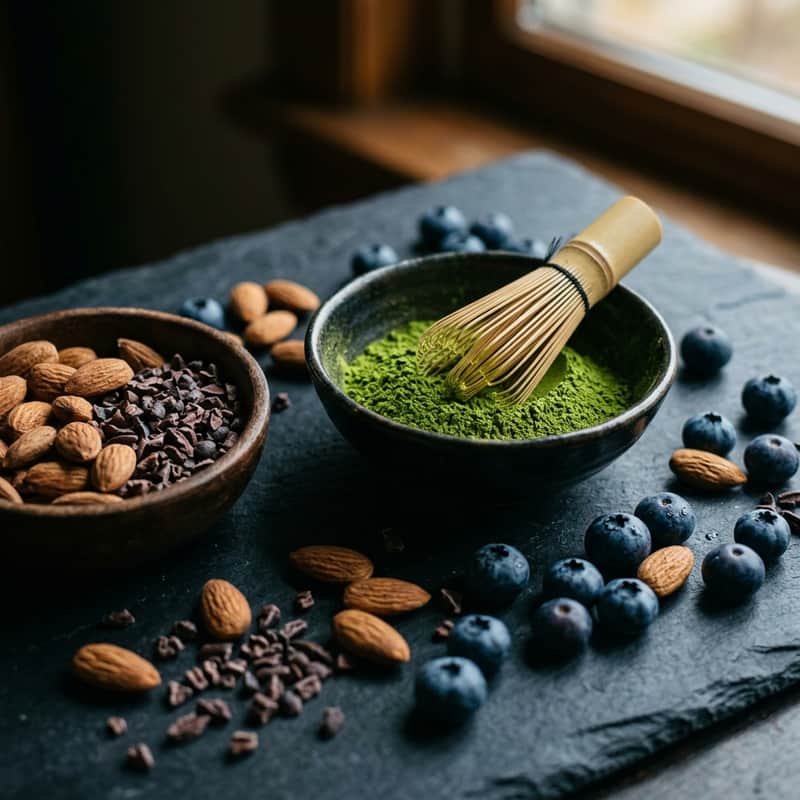
The Biological Mechanism of Stress
Cortisol is often maligned as the 'stress hormone,' but in a healthy metabolic state, it is essential for regulating energy, blood pressure, and immune function. However, chronic activation of the Hypothalamic-Pituitary-Adrenal (HPA) axis leads to sustained cortisol elevation, which can drive systemic inflammation and metabolic dysfunction. Precision nutrition offers a non-pharmacological pathway to stabilize this axis through specific whole food bio-actives.
1. Ashwagandha: The Master Adaptogen
Ashwagandha (Withania somnifera) is perhaps the most clinically validated adaptogen for cortisol modulation. Its primary bio-actives, withanolides, interact with the HPA-axis to blunt the overproduction of cortisol during acute stress. Randomized controlled trials have shown that consistent supplementation with whole root extracts can reduce serum cortisol levels by up to 30% while improving perceived stress scores.
2. Matcha: L-Theanine & The Alpha-Wave Synergy
Unlike the jittery spike associated with coffee, Matcha provides a sustained, calm focus. This is due to its high concentration of L-Theanine, an amino acid that crosses the blood-brain barrier and increases alpha-wave activity. L-Theanine acts as a glutamate antagonist, preventing the excitatory neurotransmitters from triggering a secondary cortisol cascade, effectively 'smoothing' the body's energy profile.
By modulating the HPA-axis, these functional foods shift the body from a state of 'survival' to a state of 'systemic recovery.'
3. Cacao: Flavonoids and Adrenal Resilience
Dark cacao is more than a luxury; it is a potent tool for adrenal health. Its high concentration of polyphenolic flavonoids has been shown to reduce the excretion of catecholamines (epinephrine and norepinephrine) and cortisol in highly stressed individuals. For maximum therapeutic effect, prioritize raw cacao or dark chocolate with at least 85% purity to avoid the glycemic stress of added sugars.
4. Almonds: The Magnesium Connection
Magnesium is a critical cofactor for over 300 enzymatic reactions, including the synthesis of GABA—the brain's primary inhibitory neurotransmitter. Almonds are a dense source of bioavailable magnesium, which helps regulate the pituitary gland's response to stress signals. When magnesium levels are low, the HPA-axis remains hyper-responsive, leading to the 'tired but wired' sensation common in chronic stress.
5. Blueberries: Vitamin C and Oxidative Defense
The adrenal glands have some of the highest concentrations of Vitamin C in the human body. During periods of high stress, these stores are rapidly depleted as the glands work to synthesize cortisol. Blueberries provide a low-glycemic, high-anthocyanin source of Vitamin C that protects the adrenal tissue from the oxidative byproducts of hormone synthesis, ensuring long-term endocrine resilience.
The Recovery Protocol
To leverage these foods for cortisol regulation, consistency is key. MyWholeFoods recommends a 'Morning Resilience Tonic' of high-grade Matcha and a small serving of almonds, followed by an evening ritual of Ashwagandha tea. This rhythmic approach aligns with the body's natural circadian cortisol patterns, providing support when the system is most vulnerable.
Medical Disclaimer
The content provided on MyWholeFoods is for educational and informational purposes only and does not constitute medical advice. While our articles are peer-reviewed and cited from clinical literature, this information should not be used to diagnose, treat, or prevent any disease. Always consult with a qualified healthcare professional before making significant changes to your diet or wellness routine.

Gregory David Founder & Editor, MyWholeFoods
Gregory David is the founder and editor of MyWholeFoods. He researches evidence-based nutrition and whole foods by reviewing peer-reviewed scientific literature, including studies published through PubMed and other respected scientific sources. His goal is to present reliable nutrition information in a clear, practical, and accessible way for everyday readers.