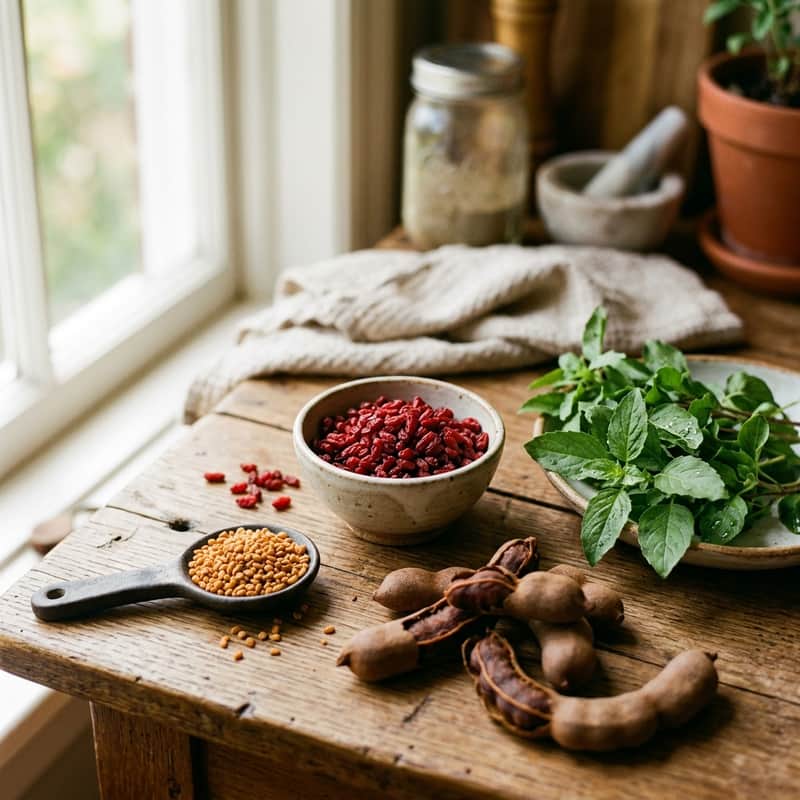
The Postprandial Spike: A Primary Driver of Metabolic Dysfunction
In the landscape of modern metabolic science, the focus has shifted from fasting blood sugar to 'postprandial' stability—the way your blood sugar behaves immediately after a meal. Sharp spikes in glucose trigger the excessive release of insulin, which signals the body to stop burning fat and start storing it, primarily in the visceral (organ) areas.
By utilizing specific whole foods that act as natural insulin mimetics and enzyme inhibitors, we can effectively flatten the glucose curve, maintaining steady energy levels and long-term metabolic health.
1. Barberry: The Berberine Matrix
Barberry is one of nature's most concentrated sources of berberine, an alkaloid with extraordinary metabolic properties. Often referred to as a 'metabolic master switch,' berberine activates the AMP-activated protein kinase (AMPK) pathway. This is the same biological pathway activated by exercise and certain pharmaceutical interventions, leading to increased glucose uptake by muscles and reduced glucose production in the liver.
2. Holy Basil (Tulsi): Adaptogenic Glycemic Control
Holy Basil is a legendary adaptogen that excels at managing stress-induced glycemic stress. Clinical research indicates that compounds in Holy Basil help protect the beta cells of the pancreas—the cells responsible for insulin production. By regulating the body's cortisol response, Tulsi prevents the 'dawn phenomenon' and other stress-related sugar spikes, ensuring a more stable baseline for metabolic activity.
3. Tamarind: Natural Starch Inhibition
Tamarind provides a mechanical advantage in the gut. Its specific polyphenols inhibit the enzymes alpha-amylase and alpha-glucosidase, which are responsible for breaking down complex carbohydrates into simple sugars. By slowing this breakdown, tamarind ensures that glucose is released into the bloodstream at a manageable rate, preventing the sharp peaks that drive metabolic stress.
4. Fenugreek: Fiber-Driven Insulin Sensitivity
Fenugreek seeds are rich in galactomannan, a unique soluble fiber that slows the absorption of sugar in the digestive tract. Furthermore, they contain 4-hydroxyisoleucine, an amino acid that acts directly on the pancreas to stimulate insulin secretion in a glucose-dependent manner—meaning it only helps the body release insulin when blood sugar is actually high.
The Glucose Guard Protocol
To implement the Glucose Guard Protocol, MyWholeFoods recommends a structured approach to mealtime: Incorporate Barberry or its extract (Berberine) into your largest carbohydrate-containing meals to prime the AMPK pathway. Use Holy Basil tea as a daily stress-management tool to stabilize cortisol levels. For meals high in starches, integrate Tamarind to slow digestion, and utilize Fenugreek (soaked or sprouted) to provide the fiber and amino acid support needed for precision insulin signaling.
The Clinical Mechanics of Metabolic Health
When examining the implications of the glucose guard: mastering postprandial stability with berberine and adaptogenic herbs, modern nutritional science reveals a complex interplay between bioactive compounds and cellular metabolism. Historically, we have viewed food purely as caloric fuel. However, the paradigm is shifting toward understanding food as biological information. Every time you consume these nutrients, you are sending a stream of data to your cells, instructing them to upregulate protective pathways, modulate inflammation, and enhance mitochondrial efficiency.
One of the most fascinating aspects of this biological signaling is the concept of hormesis—a biological phenomenon where a beneficial effect results from exposure to low doses of an agent that is otherwise toxic or lethal when given at higher doses. Many phytochemicals act as mild cellular stressors, which in turn activate the body's endogenous antioxidant defense systems, such as the Nrf2 pathway. This is why a diverse intake of plant-based whole foods is so critical for longevity and systemic resilience.
Furthermore, the integrity of the gut microbiome plays an indispensable role. The microbiome acts as a secondary organ, processing complex polyphenols and fibers into highly bioavailable metabolites. These metabolites, such as short-chain fatty acids (SCFAs) like butyrate, enter the bloodstream and exert profound systemic effects, including crossing the blood-brain barrier to influence neuroinflammation and cognitive function. This bidirectional communication—often referred to as the gut-brain axis—underscores the importance of a nutrient-dense diet.
Advanced Applications and Synergistic Pairings
To maximize the bioavailability and efficacy of these nutrients, strategic food pairing is essential. For instance, lipid-soluble compounds require the presence of dietary fats for optimal absorption. Pairing fat-soluble vitamins or carotenoids with sources of healthy fats—such as extra virgin olive oil, avocados, or nuts—can increase their absorption by several folds. Similarly, the activation of certain beneficial enzymes, like myrosinase in cruciferous vegetables, can be enhanced by specific preparation methods.
Incorporating these clinical insights into a daily routine does not require a complete overhaul of one's lifestyle. Instead, it involves making intentional, evidence-based choices. By prioritizing foods with high nutrient density and specific bioactive profiles, individuals can proactively support their cellular health. The compounding effects of these dietary choices over years and decades are what ultimately shape our healthspan and resilience against chronic, age-related conditions.
As we continue to explore the frontiers of nutritional genomics and metabolomics, our understanding of these mechanisms will only deepen. The transition from a generalized dietary approach to personalized, precision nutrition is on the horizon. Until then, the foundational principles remain clear: a diverse, whole-food diet rich in specific, clinically validated compounds is our most powerful tool for maintaining vitality and preventing disease.
In conclusion, the therapeutic potential of these dietary interventions extends far beyond simple macronutrient balancing. By viewing our diet through the lens of cellular signaling and microbiome optimization, we empower ourselves to take control of our health trajectory. The evidence is clear: the right foods are not just sustenance; they are medicine.
Medical Disclaimer
The content provided on MyWholeFoods is for educational and informational purposes only and does not constitute medical advice. While our articles are peer-reviewed and cited from clinical literature, this information should not be used to diagnose, treat, or prevent any disease. Always consult with a qualified healthcare professional before making significant changes to your diet or wellness routine.

Gregory David Founder & Editor, MyWholeFoods
Gregory David is the founder and editor of MyWholeFoods. He researches evidence-based nutrition and whole foods by reviewing peer-reviewed scientific literature, including studies published through PubMed and other respected scientific sources. His goal is to present reliable nutrition information in a clear, practical, and accessible way for everyday readers.