The Biological Engine of Circulation
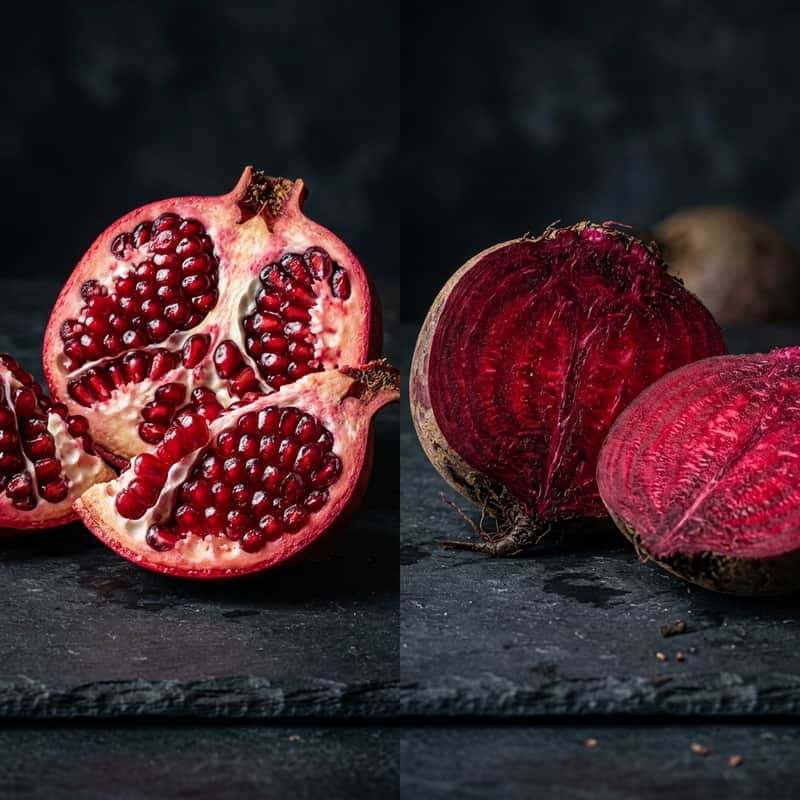
In the realm of functional nutrition, few foods command as much clinical respect as the pomegranate and the beetroot. Both have long been hailed as 'vascular superstars,' but their mechanisms of action are fundamentally different. Understanding these differences—and more importantly, how they work in tandem—is the key to mastering non-pharmacological blood pressure management and athletic performance optimization.
Beetroot: The Nitrate-Nitrite-NO Express
The primary therapeutic value of the beetroot lies in its high concentration of inorganic nitrates (NO3). When you consume beetroot juice, a fascinating biological conversion begins in the mouth. Commensal bacteria on the tongue reduce the nitrates to nitrites, which are then further converted into Nitric Oxide (NO) in the acidic environment of the stomach and the vascular endothelium.
Nitric oxide is a potent gas that triggers 'vasodilation'—the widening of the blood vessels. This process instantly reduces the resistance to blood flow, effectively lowering blood pressure and improving the delivery of oxygen and nutrients to working muscles. This is why beetroot juice is a staple for endurance athletes; it essentially makes the 'oxygen cost' of exercise lower, allowing for sustained performance with less effort.
Pomegranate: The Endothelial Guardian
While beetroot focuses on the immediate production of nitric oxide, the pomegranate acts as a long-term structural guardian. Pomegranates are the richest known source of punicalagins—unique polyphenols that exhibit extraordinary antioxidant capacity. Rather than providing the raw materials for nitric oxide directly, pomegranate compounds protect existing nitric oxide from being broken down by oxidative stress.
Furthermore, pomegranate juice has been shown to increase the expression of endothelial nitric oxide synthase (eNOS), the enzyme responsible for synthesizing nitric oxide within the vessel walls. By neutralizing free radicals that would otherwise damage the delicate endothelial lining, pomegranate ensures that the vascular system remains flexible and responsive to the body's demands.
If Beetroot is the fuel that drives immediate circulation, Pomegranate is the maintenance crew that keeps the pipes healthy and functional over time.
The Head-to-Head: Which Is Better?
If your goal is immediate performance—such as before a marathon or a high-intensity workout—Beetroot is the clear winner due to its rapid nitrate-to-NO conversion. However, for chronic management of arterial stiffness and long-term heart health, Pomegranate’s ability to reduce plaque formation and support endothelial integrity makes it superior.
The Clinical Synergy: The 1+1=3 Effect
The most profound insight from recent clinical models is that these two foods are highly synergistic. By consuming them together, you provide the body with both the raw materials for nitric oxide (Beetroot nitrates) and the antioxidant protection needed to prevent that nitric oxide from being destroyed (Pomegranate punicalagins).
Clinical Protocol for Maximum Impact
To optimize vascular health, MyWholeFoods recommends a daily ritual: 1/2 cup of fresh beetroot juice paired with 1/2 cup of pure, unsweetened pomegranate juice. This protocol provides a broad-spectrum intervention that targets both immediate flow dynamics and long-term structural resilience. For athletes, consuming this mixture 90 minutes before exertion represents the peak of natural performance technology.
Medical Disclaimer
The content provided on MyWholeFoods is for educational and informational purposes only and does not constitute medical advice. While our articles are peer-reviewed and cited from clinical literature, this information should not be used to diagnose, treat, or prevent any disease. Always consult with a qualified healthcare professional before making significant changes to your diet or wellness routine.

Gregory David Founder & Editor, MyWholeFoods
Gregory David is the founder and editor of MyWholeFoods. He researches evidence-based nutrition and whole foods by reviewing peer-reviewed scientific literature, including studies published through PubMed and other respected scientific sources. His goal is to present reliable nutrition information in a clear, practical, and accessible way for everyday readers.