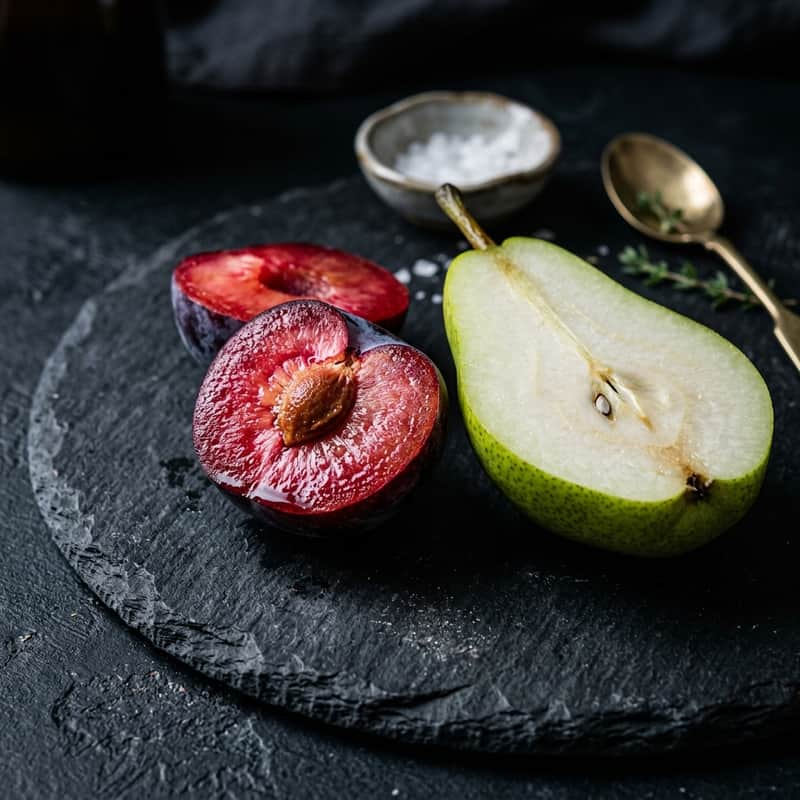
The Osteo-Metabolic Connection: Beyond Calcium
For decades, bone health was viewed almost exclusively through the lens of calcium and vitamin D. However, clinical science in 2026 recognizes bone as dynamic, metabolically active tissue. The continuous remodeling process—where old bone is broken down by osteoclasts and new bone is built by osteoblasts—is highly sensitive to systemic inflammation and oxidative stress. When inflammation is chronically elevated, it signals osteoclasts to accelerate bone breakdown, leading to reduced cortical density and increased fracture risk.
Precision nutrition intervenes directly in this signaling pathway. By utilizing specific orchard superfoods rich in complex polyphenols, we can selectively downregulate the pro-inflammatory cytokines that drive bone loss, acting as a natural 'shield' for our skeletal architecture.
1. Prunes (Dried Plums): The Ultimate Osteoprotective Fruit
Among all dietary interventions for bone health, Prunes stand in a class of their own. A landmark 2024 clinical trial (PMID: 38349471) published in Osteoporosis International demonstrated that daily consumption of prunes significantly preserved cortical volumetric bone mineral density (vBMD) and estimated bone strength at the tibia in postmenopausal women.
The mechanism is profound: the unique phenolic compounds in prunes, particularly chlorogenic and neochlorogenic acids, inhibit the production of inflammatory mediators that over-activate osteoclasts. By suppressing this breakdown signal, prunes allow the body's natural bone-building processes to keep pace with aging.
Prunes provide both the mechanical building blocks (Vitamin K, Boron) and the chemical signals needed to lock density into the bone matrix.
2. Pears: Metabolic Stabilization for Skeletal Health
While prunes target bone directly, Pears provide crucial metabolic support. High postprandial glucose and insulin resistance are known to damage the collagen matrix within bone, making it brittle. Pears, particularly their skin, contain unique flavonoids and a high concentration of pectin fiber that slow glucose absorption and stabilize insulin levels.
By maintaining steady metabolic baseline, pears prevent the glycation of bone proteins—a process that cross-links collagen fibers incorrectly and degrades bone strength from the inside out.
3. Blackberries: Anthocyanin-Driven Collagen Protection
Bone is not just mineral; it is a living scaffold of collagen. Blackberries are exceptionally high in specific anthocyanins that have an affinity for connective tissue. These dark pigments act as direct antioxidants at the site of bone remodeling, protecting the newly formed collagen matrix from oxidative degradation. Their synergistic effect with Vitamin C also ensures that the body can synthesize high-quality collagen efficiently.
4. Bell Peppers: The Vitamin C Matrix
Collagen formation is impossible without an adequate supply of Vitamin C, and Bell Peppers (particularly the orange and red varieties) are one of the most bioavailable sources. Integrating raw bell peppers into an osteoprotective diet ensures that the osteoblasts have the required enzymatic co-factors to spin new, resilient bone fibers.
The Structural Resilience Ritual
To implement the Structural Resilience Protocol, MyWholeFoods recommends an 'Orchard Synergy' daily ritual: Incorporate 5-6 Prunes (approx. 50g) into your morning routine, either whole or blended into a smoothie with Blackberries. For midday metabolic stability, consume a fresh, skin-on Pear. Ensure your evening meals include a serving of raw or lightly sautéed Bell Peppers to provide the overnight Vitamin C necessary for sustained collagen repair.
Medical Disclaimer
The content provided on MyWholeFoods is for educational and informational purposes only and does not constitute medical advice. While our articles are peer-reviewed and cited from clinical literature, this information should not be used to diagnose, treat, or prevent any disease. Always consult with a qualified healthcare professional before making significant changes to your diet or wellness routine.