Sulforaphane: The Nrf2 Nutrigenomic Switch
Broccoli's reputation as a 'superfood' is backed by a specific sulfur-containing compound called sulforaphane. Unlike vitamins that act as direct antioxidants, sulforaphane is a nutrigenomic activator. It targets the Nrf2 (nuclear factor erythroid 2-related factor 2) pathway, which is recognized by clinical researchers as the master regulator of the antioxidant, detoxification, and cell-protective response.
When sulforaphane enters a cell, it triggers the Nrf2 protein to detach from its inhibitor and move into the cell nucleus. Once inside, it binds to the Antioxidant Response Element (ARE), initiating the production of hundreds of protective enzymes. This essentially 'arms' the cell from the inside, creating a lasting defense system that is significantly more powerful than external antioxidants alone.
Phase II Detoxification & Hepatic Integrity
One of the most critical functions of sulforaphane is its role in Phase II detoxification in the liver. While Phase I detox breaks down toxins into intermediate reactive molecules, Phase II is responsible for the final neutralization and elimination of these compounds. Sulforaphane specifically induces enzymes like glutathione S-transferase, which are vital for the clearance of heavy metals, environmental pollutants, and metabolic waste products.
By supporting hepatic integrity through this pathway, regular sulforaphane intake clinical studies have shown a marked reduction in markers of liver damage and systemic oxidative stress. It is a biological 'purification cycle' that operates at the transcriptive level.
Ingesting cruciferous isothiocyanates is like providing your cells with a master training manual for environmental defense.
The Sprout Paradox: 50x Potency
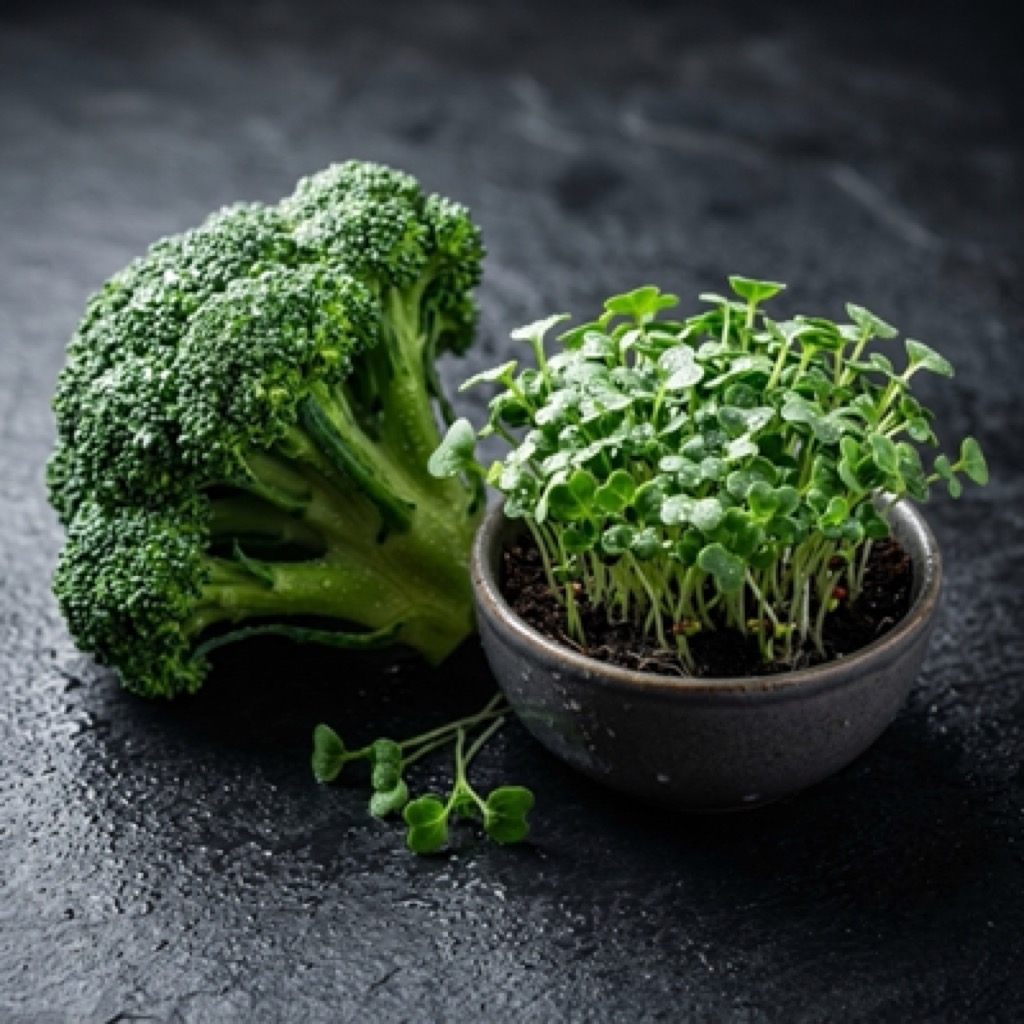
Perhaps the most fascinating clinical insight in the field of cruciferous research is the 'Sprout Paradox.' While mature broccoli is a healthy food choice, its sprouts (3-4 days old) contain approximately 20 to 50 times the concentration of glucoraphanin, the precursor to sulforaphane. This means that a small serving of broccoli sprouts can provide a clinical dose of cell-protective compounds equivalent to several kilograms of mature florets.
Thermal Sensitivity: Protecting the Enzyme
The creation of sulforaphane requires an enzyme called myrosinase, which is kept in separate compartments within the plant's cells. When the plant is chewed or chopped, the enzyme meets the glucoraphanin to create the active sulforaphane. However, myrosinase is highly sensitive to heat. Traditional boiling or over-steaming 'kills' the enzyme, rendering the broccoli far less potent.
Clinical preparation protocols recommend either eating sprouts raw, or using the 'Chop & Wait' method for mature broccoli. By chopping the florets and letting them sit for 40 minutes before gentle cooking, you allow the enzyme to complete its transformation into sulforaphane, making it heat-stable for the subsequent cooking process.
Medical Disclaimer
The content provided on MyWholeFoods is for educational and informational purposes only and does not constitute medical advice. While our articles are peer-reviewed and cited from clinical literature, this information should not be used to diagnose, treat, or prevent any disease. Always consult with a qualified healthcare professional before making significant changes to your diet or wellness routine.