Mechanics of Phytochemical Resilience
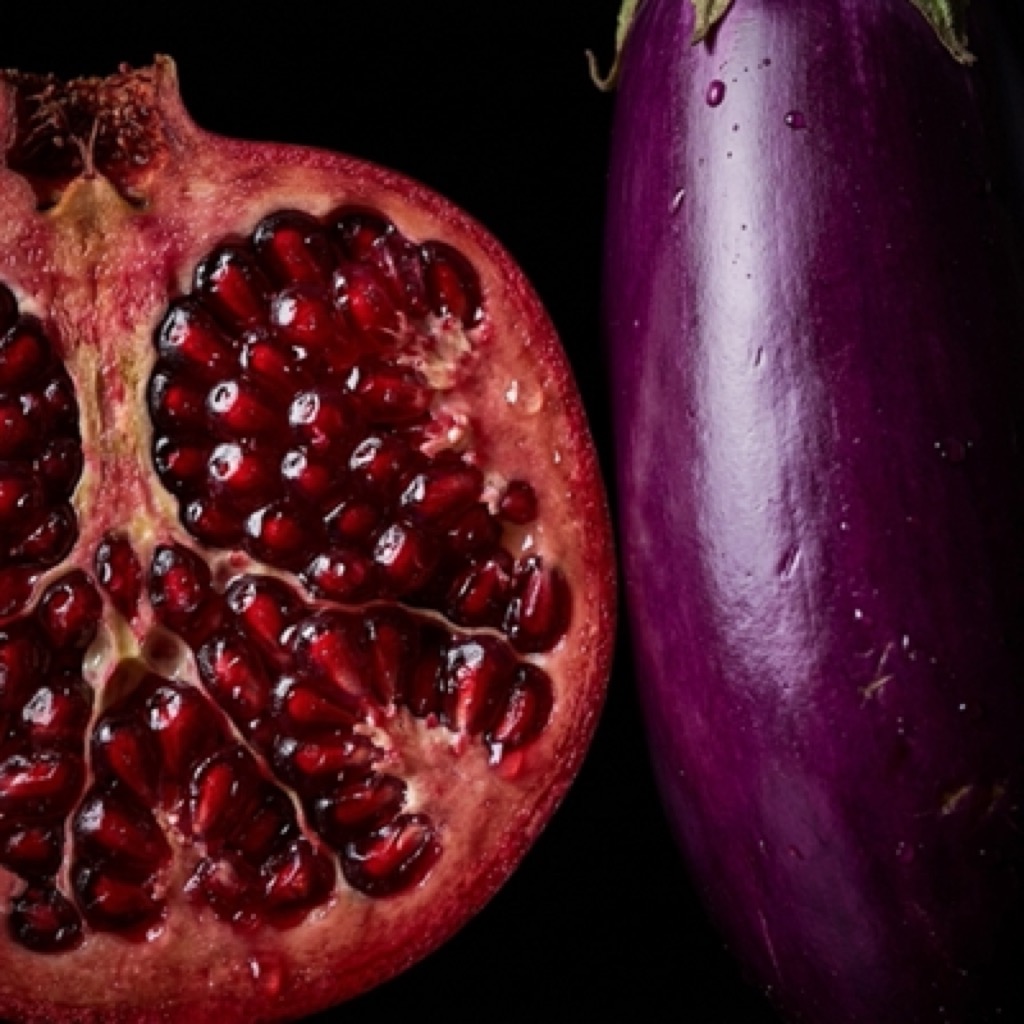
Anthocyanins are a specialized class of flavonoids that provide the deep, vibrant red and purple pigments found in longevity-focused foods like pomegranates and eggplants. While often admired for their visual appeal, these molecules are sophisticated biological tools designed to neutralize oxidative stress at a cellular level. In the context of clinical nutrition, anthocyanins are recognized for their high reactivity with free radicals, specifically targeting mitochondrial DNA that is often vulnerable to cumulative damage.
The secondary metabolites found in these deeply pigmented foods—most notably punicalagins and ellagitannins in pomegranates—act as powerful cellular shields. These compounds have been shown to influence gene expression related to antioxidant production, essentially teaching the body's internal systems to build more robust defenses against environmental and metabolic toxins.
The Nitric Oxide Catalyst: Cardiovascular Dynamics
Perhaps the most impactful clinical benefit of anthocyanin-rich nutrition is its influence on endothelial function. The endothelium is the delicate inner lining of the blood vessels, responsible for regulating arterial flexibility and flow. Anthocyanins have been demonstrated to increase the expression of endothelial nitric oxide synthase (eNOS), the enzyme primarily responsible for the production of nitric oxide (NO).
Nitric oxide acts as a biological signal that tells blood vessels to relax and dilate, a process known as vasodilation. By improving NO bioavailability, anthocyanins help reduce arterial stiffness and support healthy blood pressure markers. This dynamic is critical for long-term cardiovascular resilience, as it ensures that oxygen and nutrients are efficiently delivered to tissues while reducing the systemic pressure on the heart.
The ability of pomegranate-derived punicalagins to stimulate vasodilation represents one of the most effective non-pharmacological pathways for supporting arterial youth.
Neuroprotection & The Blood-Brain Barrier
Recent neuroscientific research has explored the ability of anthocyanin metabolites to cross the blood-brain barrier. Chronic neuroinflammation is increasingly recognized as a primary driver of cognitive decline. By neutralizing pro-inflammatory cytokines within the brain's micro-environment, these deep pigments help protect the lipid membranes of neurons, potentially enhancing cognitive clarity and slowing the markers of neurological aging.
Clinical Synthesis: Evidence from the Field
A meta-analysis of clinical trials has confirmed that daily pomegranate ingestion can significantly lower systolic blood pressure while simultaneously reducing circulating markers of LDL oxidation. In separate cohort studies, individuals with high anthocyanin intake showed markedly better cognitive retention scores than control groups, further establishing these pigments as 'neuro-nutrients' of the first order.
Practical Optimization: Rituals for Protective Ingestion
To achieve the protective levels observed in clinical studies, the timing and form of ingestion are paramount. Pure, cold-pressed pomegranate juice or the whole seeds are preferred over highly processed extracts to ensure the full spectrum of phytochemicals is present. For cardiovascular support, a ritual of morning ingestion is recommended to prime the endothelial system for the day's metabolic demands.
Medical Disclaimer
The content provided on MyWholeFoods is for educational and informational purposes only and does not constitute medical advice. While our articles are peer-reviewed and cited from clinical literature, this information should not be used to diagnose, treat, or prevent any disease. Always consult with a qualified healthcare professional before making significant changes to your diet or wellness routine.