The Silent Epidemic: Understanding Insulin Resistance
Insulin resistance is rapidly becoming one of the most pervasive health challenges of the modern era, quietly underlying a myriad of chronic conditions ranging from type 2 diabetes to cardiovascular disease. At its core, insulin resistance is a cellular communication breakdown. Every time we consume carbohydrates, our digestive system breaks them down into glucose, which enters the bloodstream. In response, the pancreas secretes insulin, a vital hormone that acts as a key to unlock our cells, allowing glucose to enter and be utilized for energy. However, due to a combination of sedentary lifestyles, chronic stress, and diets high in refined sugars and ultra-processed foods, our cells are constantly bombarded with insulin. Over time, the cellular receptors become 'numb' or resistant to insulin's signal. The pancreas, sensing that glucose is still accumulating in the blood, pumps out even more insulin to force the glucose into the cells. This hyperinsulinemia not only promotes fat storage, particularly visceral fat around the organs, but also drives systemic inflammation.
The good news is that insulin resistance is not a one-way street. The body possesses a remarkable capacity for metabolic healing. While exercise and stress management are crucial pillars of this healing process, dietary interventions are arguably the most impactful. Specifically, shifting away from processed foods toward a diet rich in bioavailable whole foods can profoundly reset your metabolic pathways. Nature has provided us with an abundance of plants that contain specific bioactive compounds, antioxidants, and unique fiber matrices that actively repair insulin receptors, slow down glucose absorption, and combat the oxidative stress that damages metabolic function. In this comprehensive guide, we delve deep into the clinical research and biological mechanisms behind our top five carefully selected whole foods that have been scientifically shown to improve insulin sensitivity and help you reclaim your metabolic health.
1. Cinnamon: The Ancient Metabolic Modulator
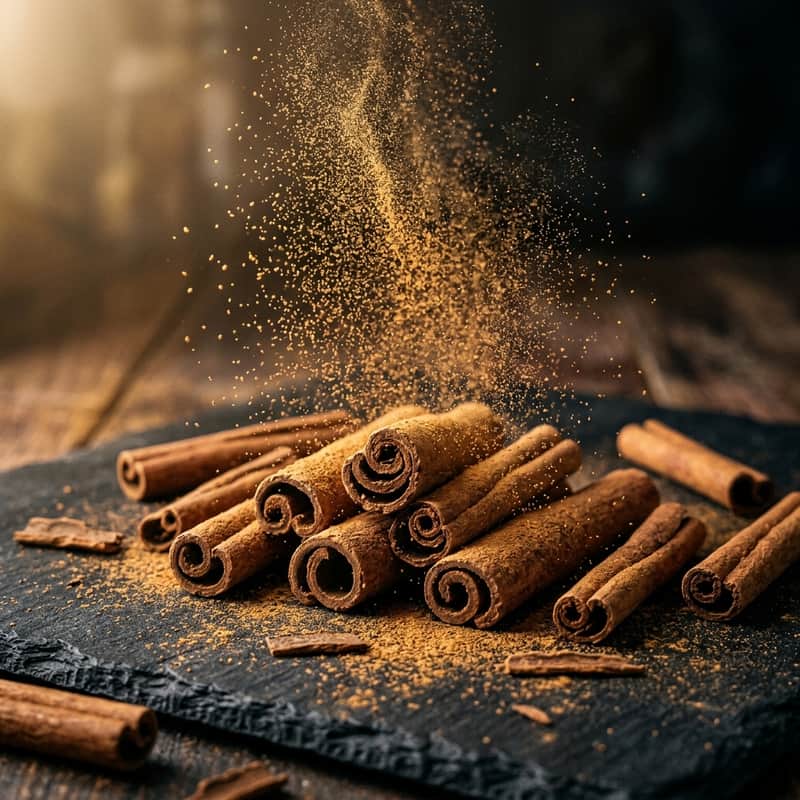
Long before modern pharmacology, ancient medical systems such as Ayurveda and Traditional Chinese Medicine revered cinnamon not merely as a culinary spice, but as a potent medicine for digestive and metabolic ailments. Today, rigorous scientific research has validated these ancient practices, revealing cinnamon as one of the most powerful natural insulin sensitizers available. The metabolic magic of cinnamon lies primarily in its unique array of polyphenols, most notably cinnamaldehyde and various proanthocyanidins.
Clinical studies have demonstrated that cinnamon extracts can directly mimic the action of insulin. They achieve this by activating insulin receptor kinase—an enzyme that initiates the cellular response to insulin—while simultaneously inhibiting the enzymes that deactivate the receptor. The net result is a significant increase in glucose uptake by muscle and adipose tissue. Furthermore, cinnamon has been shown to slow gastric emptying, meaning that carbohydrates are released into the small intestine and subsequently the bloodstream at a much more gradual rate, preventing the sharp post-meal glucose spikes that demand excessive insulin secretion. For therapeutic use, Ceylon cinnamon (often referred to as 'true cinnamon') is preferred over the more common Cassia cinnamon, as it contains significantly lower levels of coumarin, a compound that can be toxic to the liver in large doses. Incorporating just half to one teaspoon of Ceylon cinnamon daily into oatmeal, coffee, or smoothies can yield measurable improvements in fasting blood glucose and HbA1c levels.
2. Chia Seeds: The Soluble Fiber Matrix
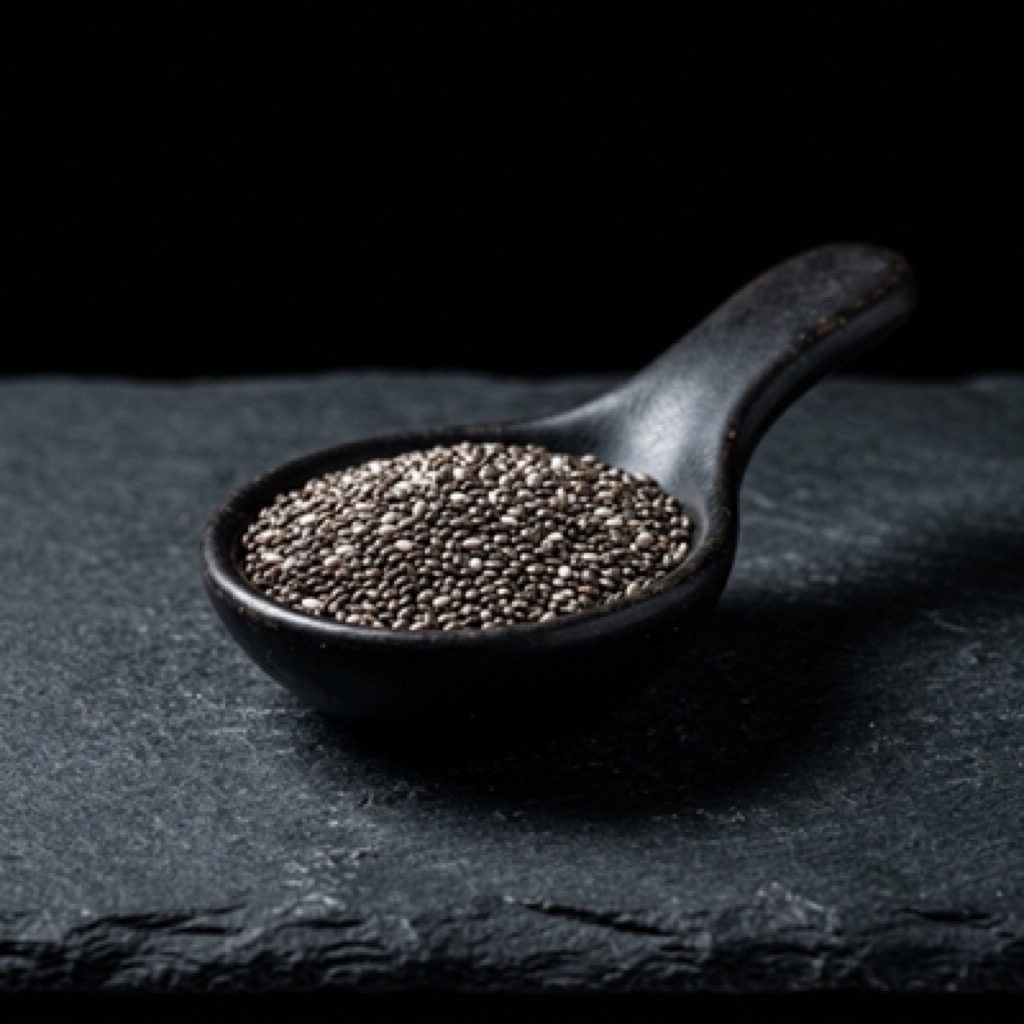
Originating from Central America where they were prized by Aztec and Mayan warriors for sustained energy and endurance, chia seeds (Salvia hispanica) are a nutritional marvel. When it comes to reversing insulin resistance, their true power lies in their extraordinary physical properties when exposed to liquid. Chia seeds are incredibly dense in soluble fiber—a specific type of dietary fiber that dissolves in water to form a thick, viscous, gel-like substance.
When you consume chia seeds, this gel forms within the digestive tract, creating a physical barrier that drastically slows down the enzymatic breakdown of carbohydrates and the subsequent absorption of glucose across the intestinal wall. This physical mechanism flattens the blood sugar curve after meals, allowing the pancreas to release insulin in a slow, controlled manner rather than a sudden, desperate surge. Beyond their fiber content, chia seeds are one of the richest plant-based sources of alpha-linolenic acid (ALA), an essential Omega-3 fatty acid. Omega-3s are critical for maintaining the fluidity and integrity of cellular membranes, which is essential for proper insulin receptor function. Furthermore, the robust anti-inflammatory properties of ALA help mitigate the chronic, low-grade inflammation that is a hallmark driver of insulin resistance. A daily intake of two tablespoons of soaked chia seeds—whether in a pudding, added to a smoothie, or mixed into a salad dressing—provides a powerful, dual-action defense against metabolic dysfunction.
3. Avocado: The Master of Satiety and Healthy Fats
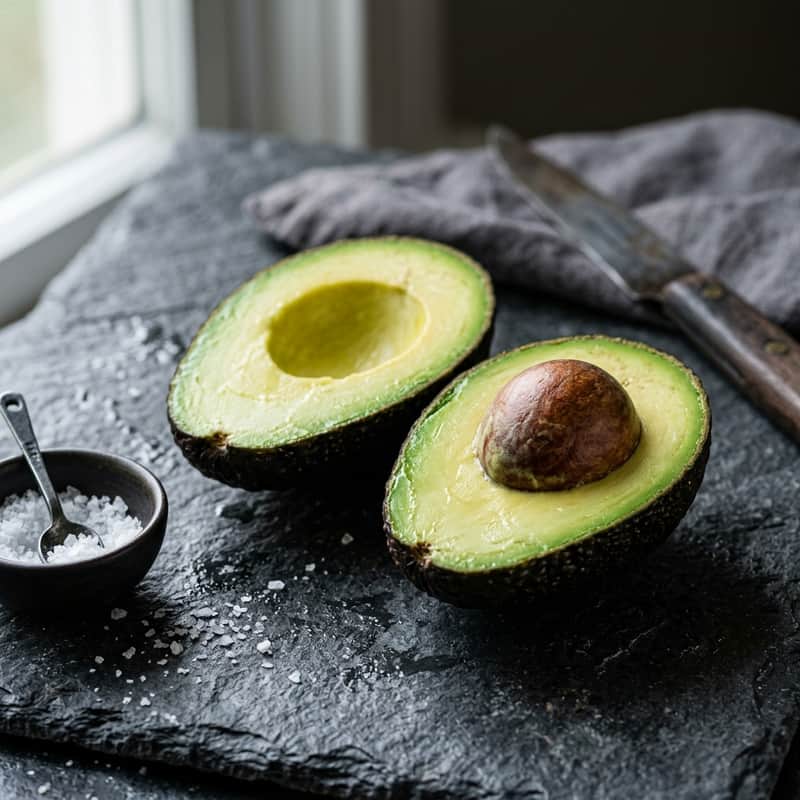
In the ongoing conversation about metabolic health, fat is often misunderstood. However, the avocado stands as a testament to the essential role that high-quality, healthy fats play in hormonal balance and insulin regulation. The predominant fat in avocados is oleic acid, a monounsaturated fatty acid (MUFA) that is also the star component of olive oil. Unlike refined carbohydrates that trigger immediate insulin release, dietary fats have virtually zero impact on blood glucose and insulin levels.
By replacing processed, carbohydrate-heavy foods with avocados, you automatically reduce your overall glycemic load, giving your overtaxed pancreas a much-needed rest. But avocados do much more than simply take the place of carbohydrates; they actively improve the metabolic profile. Research indicates that diets high in MUFAs can enhance insulin sensitivity independent of weight loss by promoting a healthier lipid profile, reducing circulating triglycerides, and lowering inflammation. Additionally, avocados are remarkably high in dietary fiber (roughly 13 grams per whole fruit) and uniquely rich in a rare sugar called D-mannoheptulose, which preliminary studies suggest may inhibit the enzymes responsible for glucose absorption. The combination of high fat and high fiber also significantly increases the release of satiety hormones like cholecystokinin (CCK) and GLP-1, keeping you full for hours and eliminating the blood sugar roller coaster that leads to constant snacking and insulin elevation.
4. Broccoli: Unleashing the Power of Sulforaphane

Broccoli and its cruciferous cousins (such as cauliflower, Brussels sprouts, and kale) are renowned for their cancer-fighting properties, but they are equally formidable allies in the battle against insulin resistance. The secret weapon hidden within the cellular walls of broccoli is a potent, sulfur-containing compound known as sulforaphane. Sulforaphane does not exist fully formed in the intact plant; rather, it is synthesized when a precursor compound called glucoraphanin mixes with the enzyme myrosinase—a reaction that only occurs when the plant tissue is crushed, chewed, or chopped.
Once in the body, sulforaphane operates as an incredibly powerful activator of the Nrf2 pathway, the master regulator of the body's antioxidant response. By upregulating endogenous antioxidants and deeply detoxifying the cells, sulforaphane drastically reduces the oxidative stress that damages insulin receptors and impairs glucose metabolism. In landmark clinical trials, particularly those involving patients with type 2 diabetes and dysregulated metabolism, highly concentrated broccoli sprout extracts (which contain up to 100 times more glucoraphanin than mature broccoli florets) were shown to significantly decrease fasting blood glucose levels and improve insulin sensitivity markers, sometimes performing on par with leading pharmaceutical interventions. To maximize the sulforaphane yield in your meals, it is best to chop your broccoli and let it sit for 40 minutes before cooking, allowing the myrosinase enzyme ample time to catalyze the reaction before being deactivated by heat.
5. Blueberries: The Anthocyanin Shield

It may seem counterintuitive to include a sweet fruit on a list of foods designed to manage blood sugar, but blueberries are a profound exception to the rule. The vibrant, deep blue and purple hues of blueberries are the visual signature of anthocyanins—a class of highly bioactive flavonoid antioxidants. These specific polyphenols give blueberries an extraordinary ability to improve metabolic health despite their natural fructose content.
Clinical studies have consistently demonstrated that regular consumption of dietary anthocyanins is associated with an increased sensitivity to insulin and a lowered risk of developing type 2 diabetes. The mechanisms are multifaceted: anthocyanins have been shown to directly enhance the efficiency of glucose transport into muscle cells, decrease the intestinal absorption of glucose by inhibiting digestive enzymes like alpha-amylase and alpha-glucosidase, and significantly reduce the chronic inflammation that physically blocks insulin signaling pathways. In double-blind, placebo-controlled trials, obese individuals with insulin resistance who consumed a daily blueberry smoothie experienced measurable, significant improvements in their insulin sensitivity over just a six-week period. As a low-glycemic fruit packed with fiber and unparalleled antioxidant density, blueberries are the ultimate metabolic superfood.
Building a Foundation for Metabolic Resilience
Understanding that food is profound molecular information rather than mere calories is the first step toward true metabolic healing. Cinnamon, chia seeds, avocados, broccoli, and blueberries are not merely isolated 'hacks'; they represent the immense power of whole, unadulterated foods to communicate directly with our cells, repair damaged receptors, and restore hormonal balance. However, overcoming insulin resistance requires a comprehensive, holistic approach. Integrating these five powerhouse foods into your daily routine will yield the greatest results when combined with a broader commitment to a low-processed diet, daily movement, prioritizing muscle growth, and protecting your circadian rhythm for restorative sleep. By making these deliberate, science-backed choices, you are not just managing symptoms—you are fundamentally repairing your metabolism and building an unshakeable foundation for long-term health.
Medical Disclaimer
The content provided on MyWholeFoods is for educational and informational purposes only and does not constitute medical advice. While our articles are peer-reviewed and cited from clinical literature, this information should not be used to diagnose, treat, or prevent any disease. Always consult with a qualified healthcare professional before making significant changes to your diet or wellness routine.

Gregory David Founder & Editor, MyWholeFoods
Gregory David is the founder and editor of MyWholeFoods. He researches evidence-based nutrition and whole foods by reviewing peer-reviewed scientific literature, including studies published through PubMed and other respected scientific sources. His goal is to present reliable nutrition information in a clear, practical, and accessible way for everyday readers.