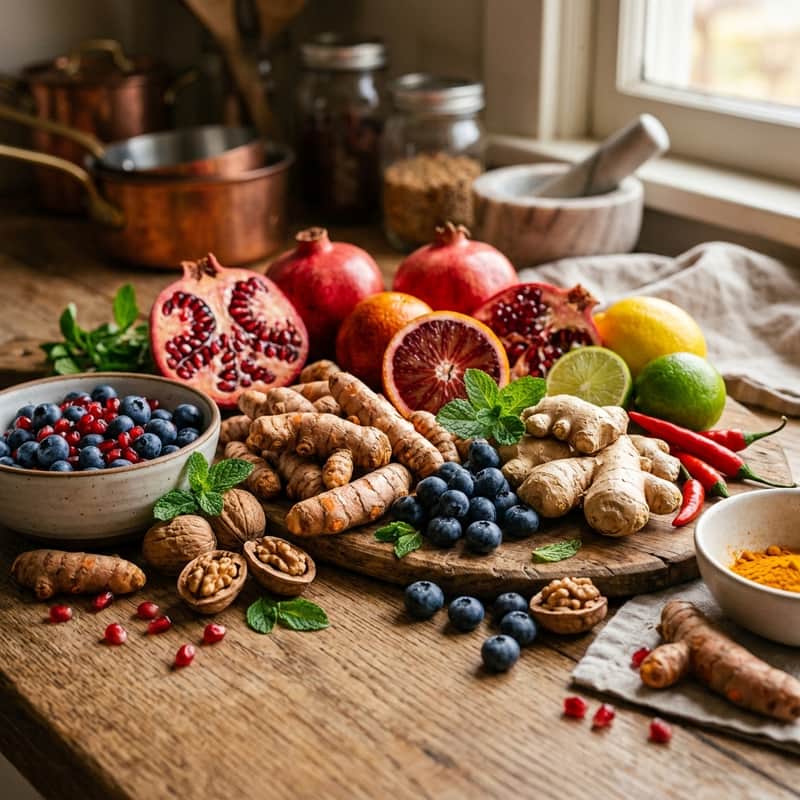
The Silent Epidemic of Hypertension
Hypertension, commonly known as high blood pressure, is often referred to as the 'silent killer' because it typically presents with no obvious symptoms until significant damage has been done to the cardiovascular system. In our modern, fast-paced world, chronic stress, poor dietary choices, and sedentary lifestyles have contributed to a staggering rise in hypertension rates across the globe. When blood pressure remains consistently high, it forces the heart to work harder to pump blood, leading to the thickening of the heart muscle and significantly increasing the risk of heart attacks, strokes, and chronic kidney disease. While pharmaceutical interventions are often necessary and life-saving, there is a growing body of clinical evidence suggesting that dietary modifications can play a profound role in managing and even reversing high blood pressure.
The approach of using whole foods to regulate blood pressure is not merely an alternative therapy; it is a foundational component of metabolic health. Foods rich in specific micronutrients—such as potassium, magnesium, and dietary nitrates—have been shown to exert powerful vasodilatory effects, meaning they help relax and widen the blood vessels. This relaxation reduces the resistance against which the heart must pump, thereby lowering the pressure exerted on the arterial walls. In this comprehensive guide, we will explore the top five whole foods that have been clinically proven to lower blood pressure naturally. We will delve into the biochemical mechanisms behind their efficacy, providing you with actionable insights to incorporate these life-enhancing foods into your daily routine.
1. Beetroot: The Nitric Oxide Powerhouse
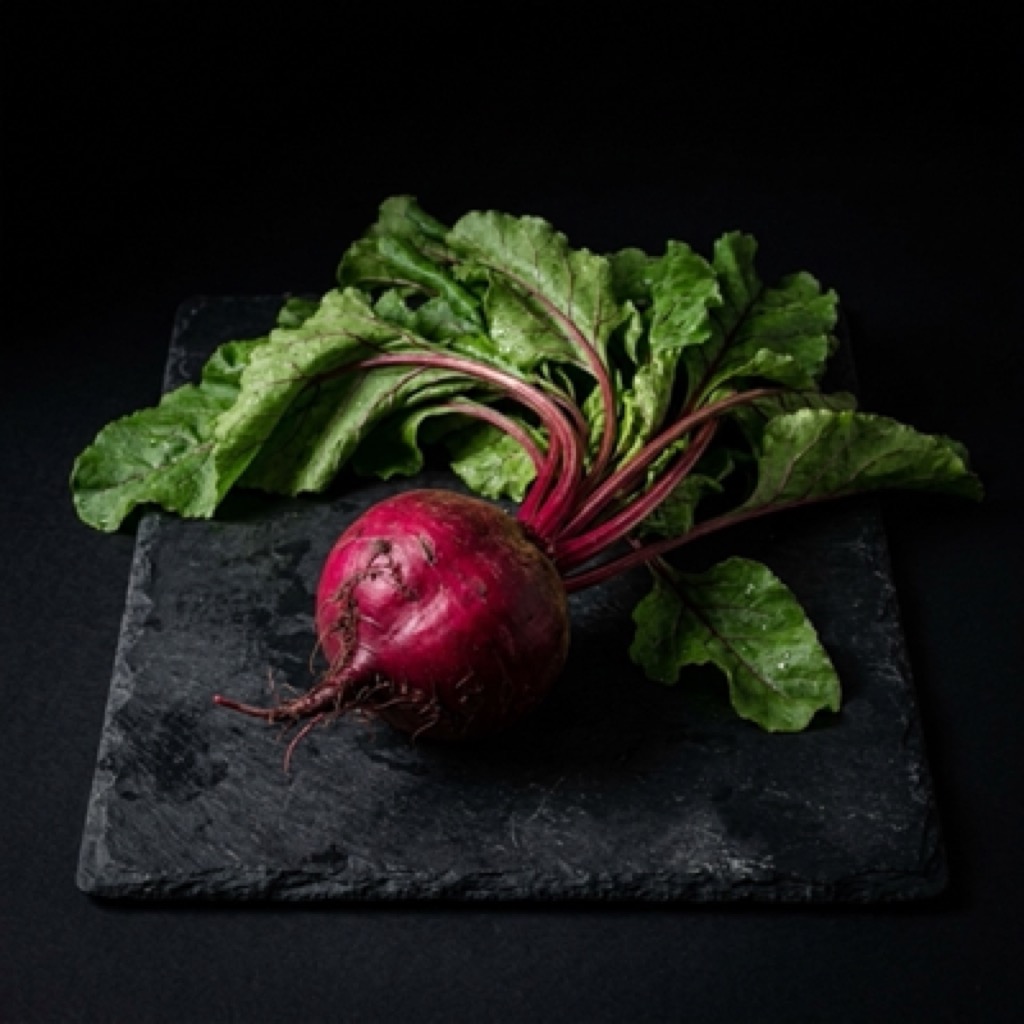
Beetroot is arguably one of the most potent natural remedies for high blood pressure, and its secret lies in its high concentration of dietary nitrates. When you consume beetroot, the beneficial bacteria residing in your mouth convert these inorganic nitrates into nitrites. Once these nitrites reach the acidic environment of the stomach, they are further reduced into nitric oxide (NO), a vital signaling molecule that plays a crucial role in vascular health. Nitric oxide penetrates the smooth muscle cells lining the blood vessels, causing them to relax and dilate. This process, known as vasodilation, leads to a significant and often rapid reduction in blood pressure.
Clinical trials have consistently demonstrated the profound impact of beetroot juice on blood pressure regulation. In some studies, a single glass of beetroot juice has been shown to lower systolic blood pressure by up to 4-5 mmHg within just a few hours of consumption. Furthermore, the regular inclusion of beetroot in the diet can provide sustained benefits, improving endothelial function and reducing arterial stiffness over time. Beyond its cardiovascular benefits, beetroot is also rich in betalains, a class of potent antioxidants that help combat oxidative stress and systemic inflammation, both of which are underlying drivers of hypertension. Whether roasted, juiced, or grated raw into salads, beetroot is a versatile and delicious addition to a heart-healthy diet.
Beetroot is nature's ultimate vasodilator. It provides a direct, biochemical pathway to relaxing blood vessels and easing the burden on the heart.
2. Spinach: A Symphony of Potassium and Magnesium
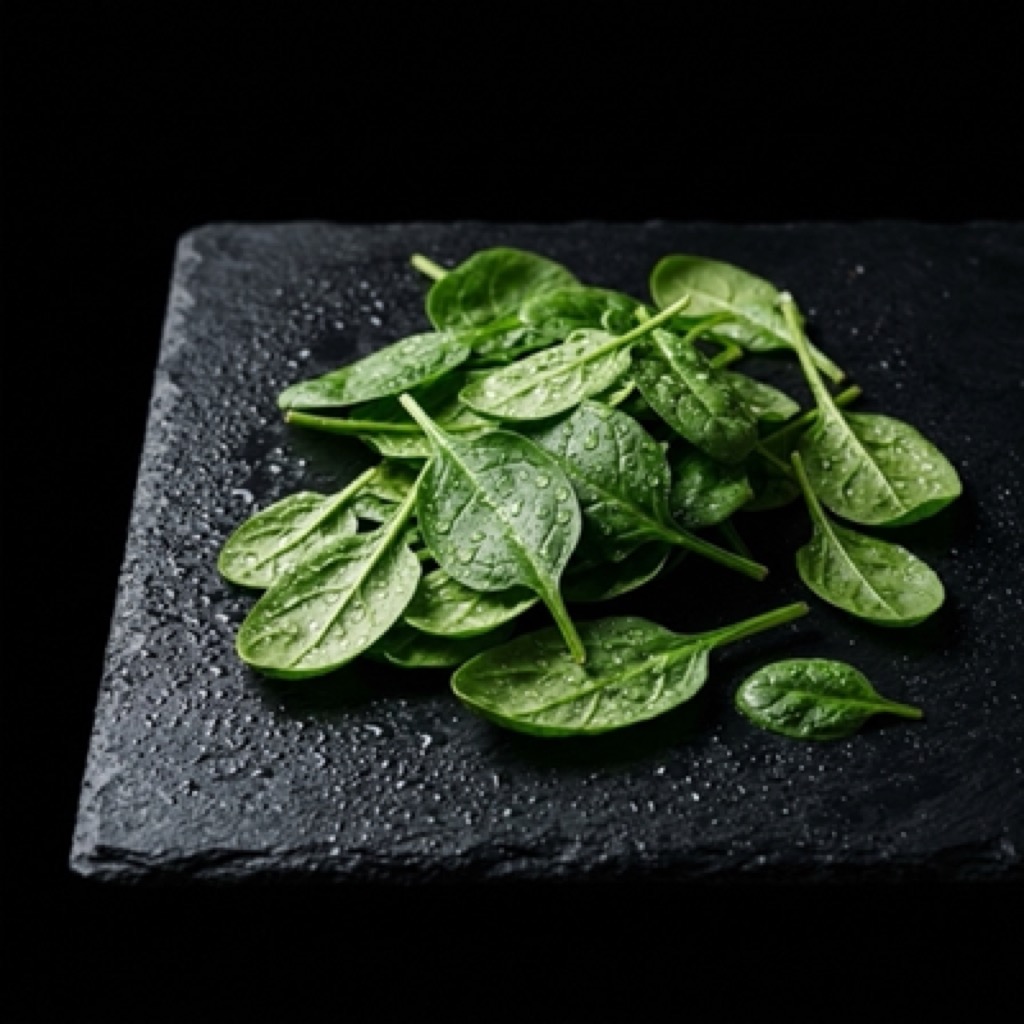
Spinach, the leafy green long celebrated for its nutritional density, is a true champion when it comes to blood pressure management. Its efficacy stems from its exceptional profile of essential minerals, particularly potassium and magnesium. The modern diet is notoriously deficient in potassium and overly abundant in sodium, a severe imbalance that is a primary contributor to hypertension. Potassium works in direct opposition to sodium by helping the kidneys excrete excess sodium through urine. Furthermore, potassium eases tension in the blood vessel walls, further reducing blood pressure. Just one cup of cooked spinach provides a substantial portion of your daily potassium needs.
In addition to potassium, spinach is a premier source of dietary magnesium. Magnesium is a critical mineral involved in over 300 enzymatic reactions in the body, many of which are directly related to cardiovascular health. It acts as a natural calcium channel blocker, preventing calcium from entering the heart and smooth muscle cells, which allows the blood vessels to relax. A deficiency in magnesium is strongly correlated with elevated blood pressure and an increased risk of heart disease. Furthermore, spinach is packed with lutein, a powerful antioxidant that prevents the thickening of arterial walls, thereby maintaining their elasticity and promoting smooth blood flow. Incorporating generous amounts of spinach into your daily meals—whether in smoothies, salads, or lightly sautéed—is a simple yet profound strategy for long-term vascular health.
3. Bananas: The Perfect Portable Potassium Source

When discussing foods that lower blood pressure, bananas are often the first that come to mind, and for good reason. They are renowned for their high potassium content, which, as previously discussed, is essential for mitigating the effects of dietary sodium and relaxing the walls of blood vessels. A medium-sized banana contains approximately 400-450 milligrams of potassium, making it an excellent, accessible, and highly portable food for supporting cardiovascular health. The American Heart Association explicitly recommends increasing potassium intake for adults with blood pressure above 120/80 mmHg, provided they have healthy kidney function.
Beyond potassium, bananas offer other metabolic benefits that indirectly support healthy blood pressure levels. They are a good source of vitamin C and various antioxidant compounds, which help protect the vascular endothelium from oxidative damage. Furthermore, when consumed slightly green or under-ripe, bananas are an excellent source of resistant starch. This unique type of carbohydrate resists digestion in the small intestine and ferments in the colon, acting as a potent prebiotic. The fermentation process produces short-chain fatty acids (SCFAs), such as butyrate, which have been shown to reduce systemic inflammation and improve insulin sensitivity. By supporting a healthy gut microbiome, bananas contribute to a holistic approach to cardiovascular wellness.
4. Garlic: Nature's ACE Inhibitor
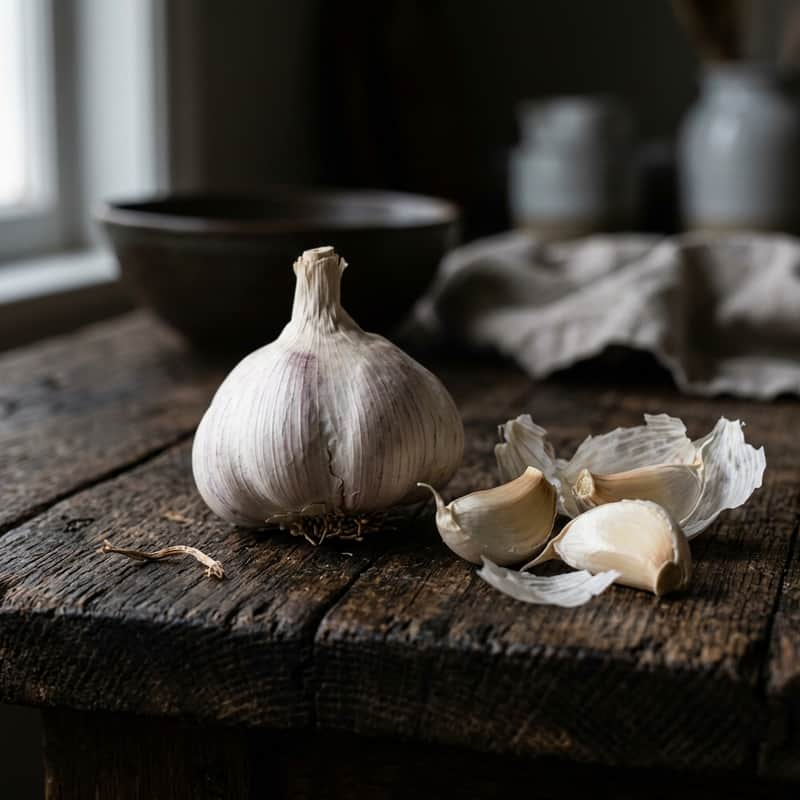
Garlic has been revered for its medicinal properties for thousands of years, and modern science has rigorously validated its efficacy in treating hypertension. The primary active compound in garlic is allicin, an organosulfur compound that is formed when a garlic clove is crushed, chopped, or chewed. Allicin has been shown to inhibit the activity of angiotensin-converting enzyme (ACE). ACE is an enzyme that causes blood vessels to constrict, leading to an increase in blood pressure. By acting as a natural ACE inhibitor, garlic helps to relax the blood vessels and significantly lower both systolic and diastolic blood pressure.
In addition to its ACE-inhibiting properties, garlic enhances the production of hydrogen sulfide and nitric oxide, two vital signaling molecules that promote vasodilation and improve blood flow. Clinical studies have shown that high doses of garlic extract can be just as effective as some standard blood pressure medications in reducing hypertension, particularly in individuals with severely elevated levels. To maximize the cardiovascular benefits of garlic, it is crucial to crush or chop the cloves and allow them to sit for about 10 minutes before cooking or consuming them. This resting period allows the enzyme alliinase to fully convert alliin into the active allicin, ensuring that you receive the maximum therapeutic effect from this pungent, heart-healthy bulb.
5. Pomegranate: The Antioxidant Elixir
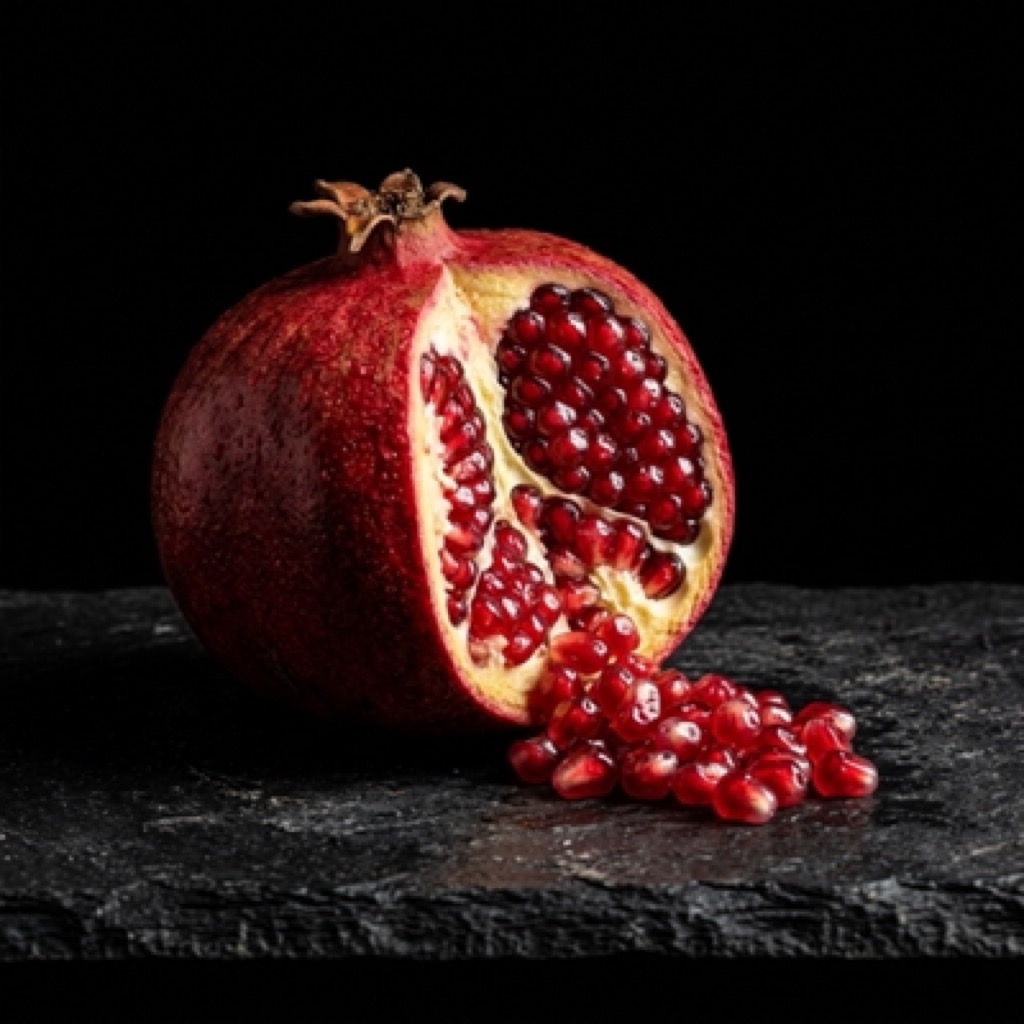
The pomegranate is a jewel of the fruit world, packed with a uniquely potent array of antioxidants, particularly punicalagins and anthocyanins. These compounds give the fruit its vibrant red color and are responsible for its profound cardiovascular benefits. The antioxidants in pomegranate juice have been shown to be up to three times more powerful than those found in red wine or green tea. Regular consumption of pomegranate, either as whole arils or juice, provides exceptional protection against oxidative stress, a major contributor to vascular dysfunction and hypertension.
Similar to garlic, pomegranate compounds have been shown to inhibit ACE activity, thereby preventing the constriction of blood vessels and promoting a significant reduction in blood pressure. A comprehensive meta-analysis of clinical trials concluded that regular consumption of pomegranate juice leads to consistent and statistically significant reductions in systolic and diastolic blood pressure. Furthermore, pomegranate has been shown to prevent the oxidation of LDL cholesterol, a critical step in the development of atherosclerosis (the hardening and narrowing of the arteries). By keeping the arteries clear, flexible, and free of plaque buildup, pomegranate ensures that blood can flow freely and effortlessly, reducing the strain on the heart and maintaining optimal blood pressure levels.
The Synergistic Power of a Whole Food Diet
While each of these five foods—beetroot, spinach, bananas, garlic, and pomegranate—offers distinct and powerful mechanisms for lowering blood pressure, their true potential is unlocked when they are consumed together as part of a diverse, whole-food diet. Cardiovascular health is not determined by a single nutrient or a solitary superfood; it is the result of a complex, synergistic interaction between thousands of bioactive compounds, vitamins, minerals, and dietary fibers. The Mediterranean diet and the DASH (Dietary Approaches to Stop Hypertension) diet are prime examples of dietary patterns that emphasize these nutrient-dense foods and consistently produce remarkable clinical outcomes in blood pressure management.
When we transition our focus from processed foods loaded with refined sodium and artificial preservatives to vibrant, plant-based whole foods, we are providing our bodies with the precise biological information needed to heal and thrive. Every bite of spinach delivers the magnesium needed to relax the arterial walls; every serving of beetroot provides the raw materials for nitric oxide production; every clove of garlic gently inhibits the enzymes that cause vascular constriction. This approach empowers us to take control of our health, moving away from a reliance on symptom management and towards true physiological optimization.
However, it is crucial to remember that dietary changes should complement, not replace, professional medical advice. Hypertension is a complex, multifactorial condition, and individuals currently taking blood pressure medications should always consult with their healthcare provider before making significant dietary modifications, as the profound efficacy of these foods may necessitate an adjustment in medication dosages. By integrating these top five foods into your daily routine, alongside regular physical activity and stress management techniques, you can establish a robust foundation for lifelong cardiovascular resilience and vitality.
Medical Disclaimer
The content provided on MyWholeFoods is for educational and informational purposes only and does not constitute medical advice. While our articles are peer-reviewed and cited from clinical literature, this information should not be used to diagnose, treat, or prevent any disease. Always consult with a qualified healthcare professional before making significant changes to your diet or wellness routine.

Gregory David Founder & Editor, MyWholeFoods
Gregory David is the founder and editor of MyWholeFoods. He researches evidence-based nutrition and whole foods by reviewing peer-reviewed scientific literature, including studies published through PubMed and other respected scientific sources. His goal is to present reliable nutrition information in a clear, practical, and accessible way for everyday readers.