The Microbial Engine of Health
Our gastrointestinal tract is home to trillions of microorganisms, collectively known as the gut microbiome. This incredibly complex ecosystem comprises thousands of distinct species of bacteria, fungi, viruses, and archaea. Far from being passive passengers, these microorganisms function as an active, highly integrated endocrine organ that exerts a profound influence over almost every aspect of human biology. They dictate the strength of our immune response by training immune cells, synthesize essential neurotransmitters like serotonin and dopamine, and regulate systemic inflammation through the production of unique metabolites. Emerging research has fundamentally shifted our understanding of human health: we are not merely individuals, but rather 'holobionts'—vast symbiotic assemblages of human and microbial cells working in concert.
A disrupted microbiome—a condition known clinically as dysbiosis—is now recognized as a foundational driver in a myriad of chronic diseases. When pathogenic or inflammatory bacterial strains outcompete beneficial, symbiotic strains, the integrity of the intestinal lining is compromised. This leads to increased intestinal permeability ('leaky gut'), allowing endotoxins to enter the bloodstream and trigger chronic, low-grade systemic inflammation. This cascade is frequently linked to metabolic syndrome, insulin resistance, accelerated cognitive decline, and various autoimmune conditions. While genetics play a role in baseline microbiome composition, the most powerful and immediate tool we possess to modulate this internal ecosystem is the food we consume on a daily basis.
1. Prioritize Fermented Foods for Direct Probiotic Inoculation
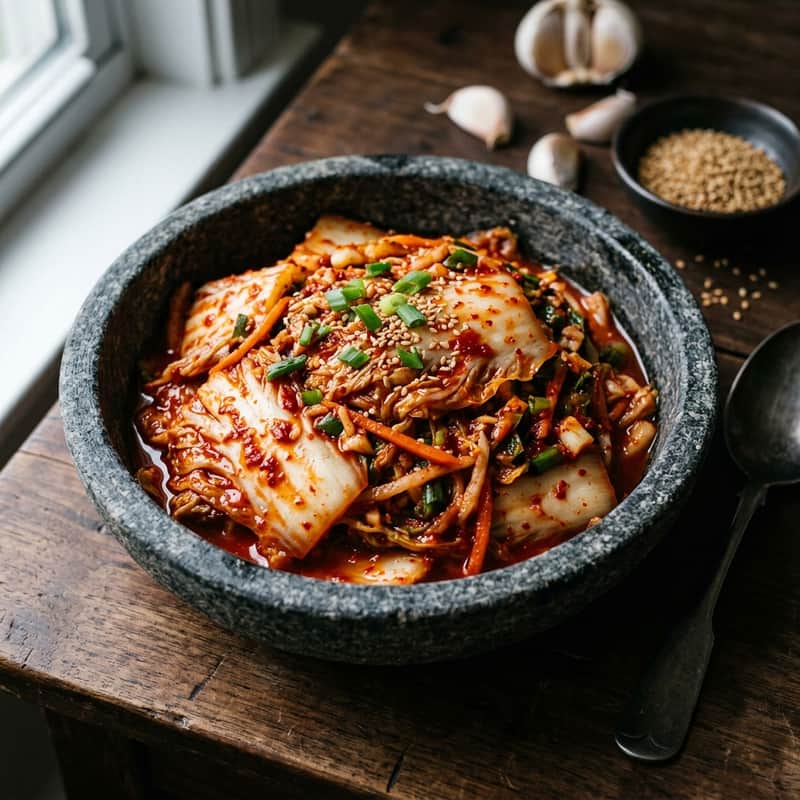
The simplest and most ancestral method of introducing beneficial, transient bacteria into your gastrointestinal tract is through the consistent consumption of fermented foods. Foods such as raw, unpasteurized sauerkraut, traditional kimchi, water kefir, and natto undergo the process of lacto-fermentation. In this biological transformation, naturally occurring lactic acid bacteria (such as Lactobacillus and Bifidobacterium species) feed on the inherent sugars and starches present in the food. This process not only preserves the food without the need for artificial chemicals but also generates a highly acidic environment that inhibits the growth of harmful pathogens.
Beyond preservation, lacto-fermentation essentially 'pre-digests' the food, breaking down complex anti-nutrients like phytic acid and rendering vitamins and minerals significantly more bioavailable to the human body. Furthermore, the fermentation process synthesizes novel bioactive compounds, including highly absorbable B-vitamins, Vitamin K2 (crucial for cardiovascular and bone health), and various strains of live probiotics. A landmark 2021 clinical trial conducted by researchers at Stanford University demonstrated that a diet rich in fermented foods consistently and predictably increases microbiome diversity over a 10-week period. More importantly, this increased diversity was directly correlated with a significant decrease in 19 distinct inflammatory markers, including C-reactive protein (CRP), highlighting the profound immunomodulatory effects of regular fermented food consumption.
2. Ingest Prebiotic Fibers to Fuel Beneficial Strains
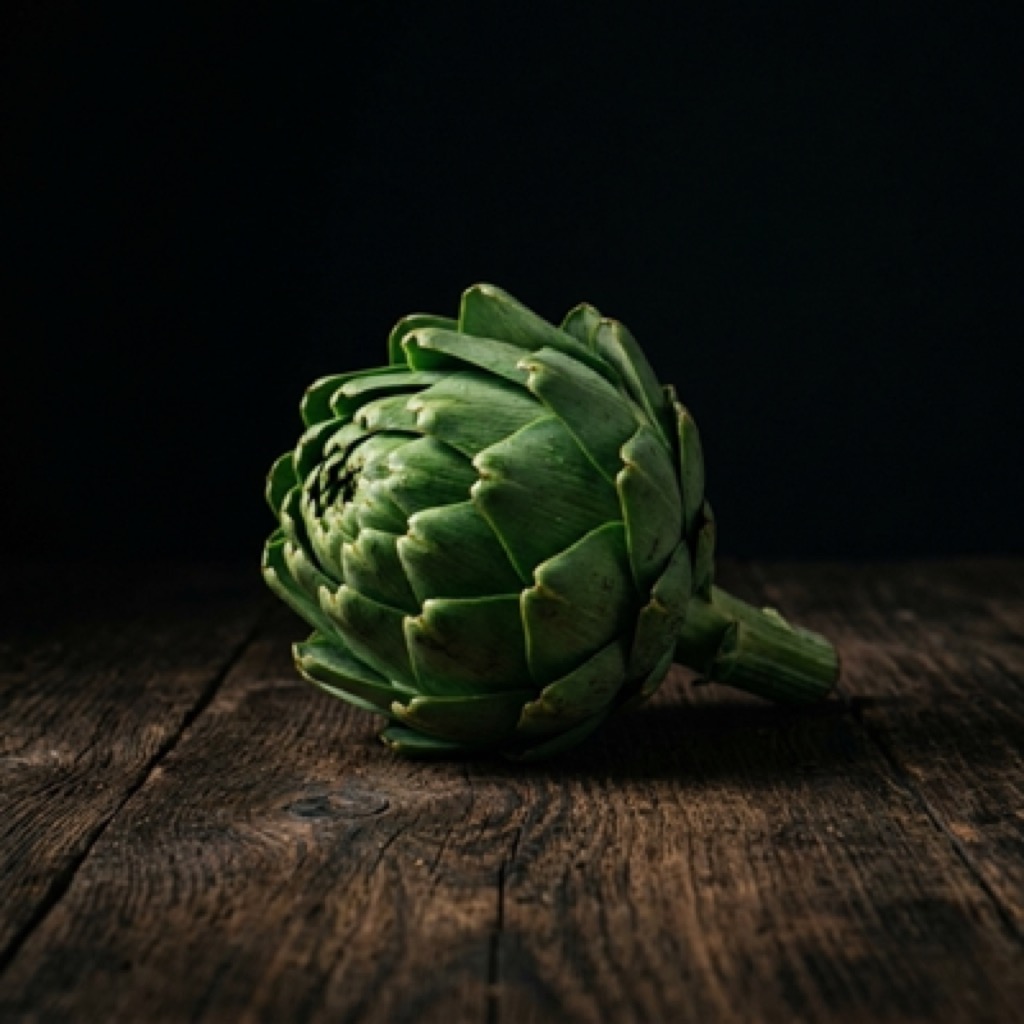
While consuming live probiotics via fermented foods is highly beneficial, these transient bacteria require proper, high-quality fuel to survive the harsh, acidic environment of the stomach, successfully colonize the lower intestine, and proliferate. This essential fuel comes exclusively in the form of prebiotic fibers—complex, indigestible plant carbohydrates that bypass human digestive enzymes and reach the colon entirely intact. Essentially, prebiotics are the specific 'food' that your foundational, symbiotic bacterial strains need to thrive.
Foods exceptionally rich in prebiotic fibers, particularly inulin and resistant starches, include Jerusalem artichokes, raw dandelion greens, chicory root, garlic, onions, and under-ripe (green) bananas. When your gut bacteria ferment these specific fibers, they produce vital metabolic byproducts known as short-chain fatty acids (SCFAs), with butyrate, propionate, and acetate being the most prominent. Butyrate, in particular, is the primary energy source for colonocytes (the cells lining the colon). By keeping these cells healthy and tightly bonded, butyrate prevents intestinal permeability, dramatically lowers localized gut inflammation, and even communicates with the brain via the vagus nerve to regulate satiety and mood. Failing to consume adequate prebiotic fiber essentially starves your beneficial microbes, forcing them to turn to the mucosal lining of your gut for sustenance, which inevitably leads to barrier dysfunction.
3. Leverage Polyphenols as Microbial Antioxidants

Polyphenols are a vast class of potent, naturally occurring phytochemicals found abundantly in dark, richly colored plant foods such as wild blueberries, pomegranates, dark cacao, green tea, and extra-virgin olive oil. For decades, polyphenols have been praised in nutritional science primarily for their systemic antioxidant and free-radical-scavenging properties. However, recent advancements in metabolomics have revealed a far more complex and fascinating mechanism of action: only a very small fraction (often less than 5%) of ingested polyphenols are actually absorbed in the small intestine. The vast majority travel unabsorbed directly to the colon.
Once in the colon, these complex polyphenolic structures are meticulously metabolized and broken down by specific communities of gut bacteria. This interaction is highly symbiotic and bi-directional. The bacteria break the polyphenols down into smaller, highly bioactive metabolites (such as urolithins from pomegranates) that can then enter the human bloodstream and exert profound anti-aging effects at the cellular level. Simultaneously, the polyphenols themselves act as a form of 'prebiotic' fuel, actively promoting the growth of beneficial strains like Akkermansia muciniphila—a keystone species strongly associated with lean body mass and optimal insulin sensitivity—while actively inhibiting the proliferation of pathogenic, inflammatory bacteria.
4. Utilize Plant-Based Omega-3s to Repair the Gut Lining
Cultivating a healthy, diverse microbiome requires a structurally sound and healthy physical environment in which the bacteria can reside. The human intestinal lining is incredibly delicate—it is only one single cell layer thick. This critical barrier is highly susceptible to damage from chronic psychological stress, environmental toxins, alcohol consumption, and highly processed, hyper-palatable foods. When this single-cell barrier is compromised, it results in increased intestinal permeability, creating a hostile environment that favors the overgrowth of inflammatory microbes.
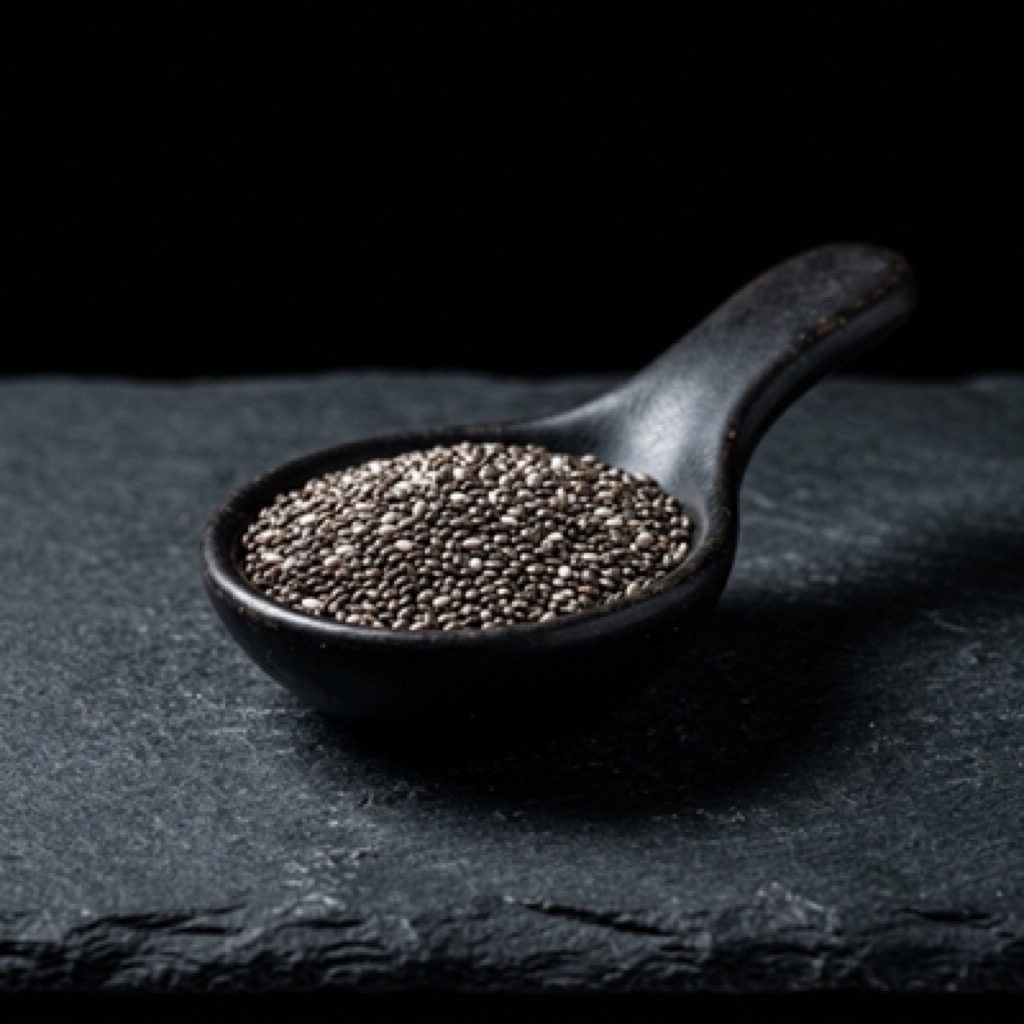
Plant-based Omega-3 fatty acids, specifically Alpha-Linolenic Acid (ALA), provide powerful, localized anti-inflammatory support to soothe and repair this mucosal lining. Excellent whole-food sources of ALA include freshly ground flaxseeds, chia seeds, hemp hearts, and walnuts. When consumed, these essential fatty acids incorporate themselves into the cell membranes of the intestinal wall, improving cellular fluidity and reducing localized oxidative stress. Furthermore, emerging evidence suggests that higher levels of circulating Omega-3s are associated with increased microbial diversity and a higher abundance of bacteria known to produce anti-inflammatory short-chain fatty acids. By reducing gut inflammation, you create a stable, hospitable home for a thriving bacterial ecosystem.
5. Maximize Plant Diversity to Build Ecosystem Resilience
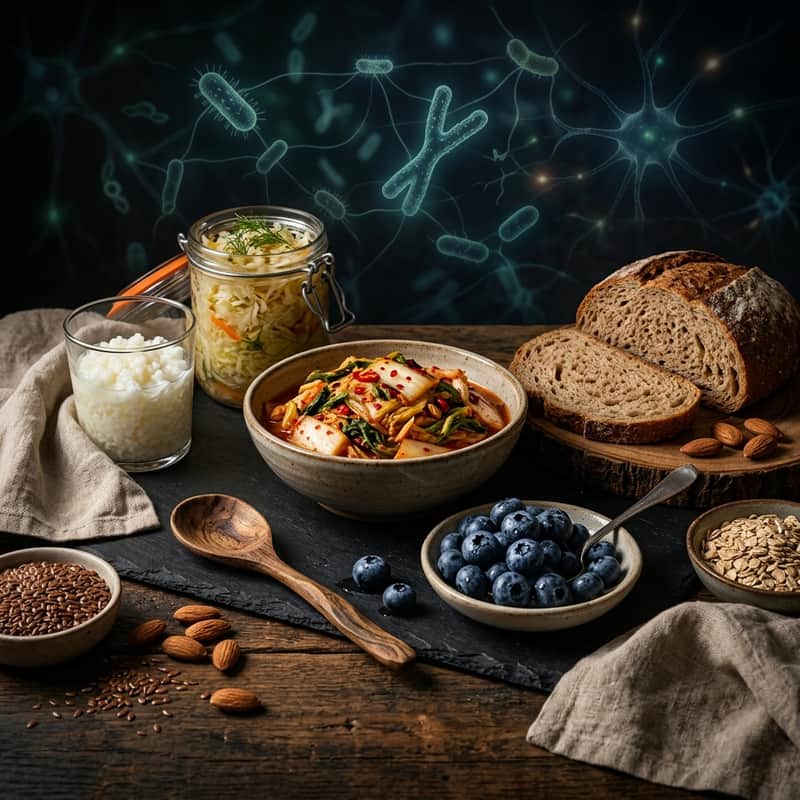
A fundamental principle of ecology dictates that in any biological system, diversity is the cornerstone of resilience. A monoculture is inherently fragile and susceptible to disease, whereas a highly diverse ecosystem can withstand and adapt to significant stressors. This principle applies perfectly to the human gastrointestinal tract. The American Gut Project, which remains the largest crowdfunded, citizen-science microbiome research project ever conducted, analyzed the dietary habits and microbiome compositions of over 10,000 individuals worldwide.
The researchers uncovered one distinct, overriding dietary factor that was most strongly associated with a robust, highly diverse, and resilient microbiome: the consumption of more than 30 different types of plant foods per week. This includes a wide array of vegetables, fruits, whole grains, legumes, nuts, seeds, herbs, and spices. Each unique plant food contains a different profile of specific fibers, phytochemicals, and micronutrients, which in turn feed different, highly specialized species of bacteria. By systematically rotating your intake of various plant foods—such as swapping common white potatoes for purple sweet potatoes, or integrating obscure grains like amaranth and teff—you force your bacterial ecosystem to adapt, diversify, and expand. This broad-spectrum bacterial diversity translates directly to a much more robust immune response, enhanced metabolic flexibility, and profound systemic resilience against age-related decline.
Medical Disclaimer
The content provided on MyWholeFoods is for educational and informational purposes only and does not constitute medical advice. While our articles are peer-reviewed and cited from clinical literature, this information should not be used to diagnose, treat, or prevent any disease. Always consult with a qualified healthcare professional before making significant changes to your diet or wellness routine.