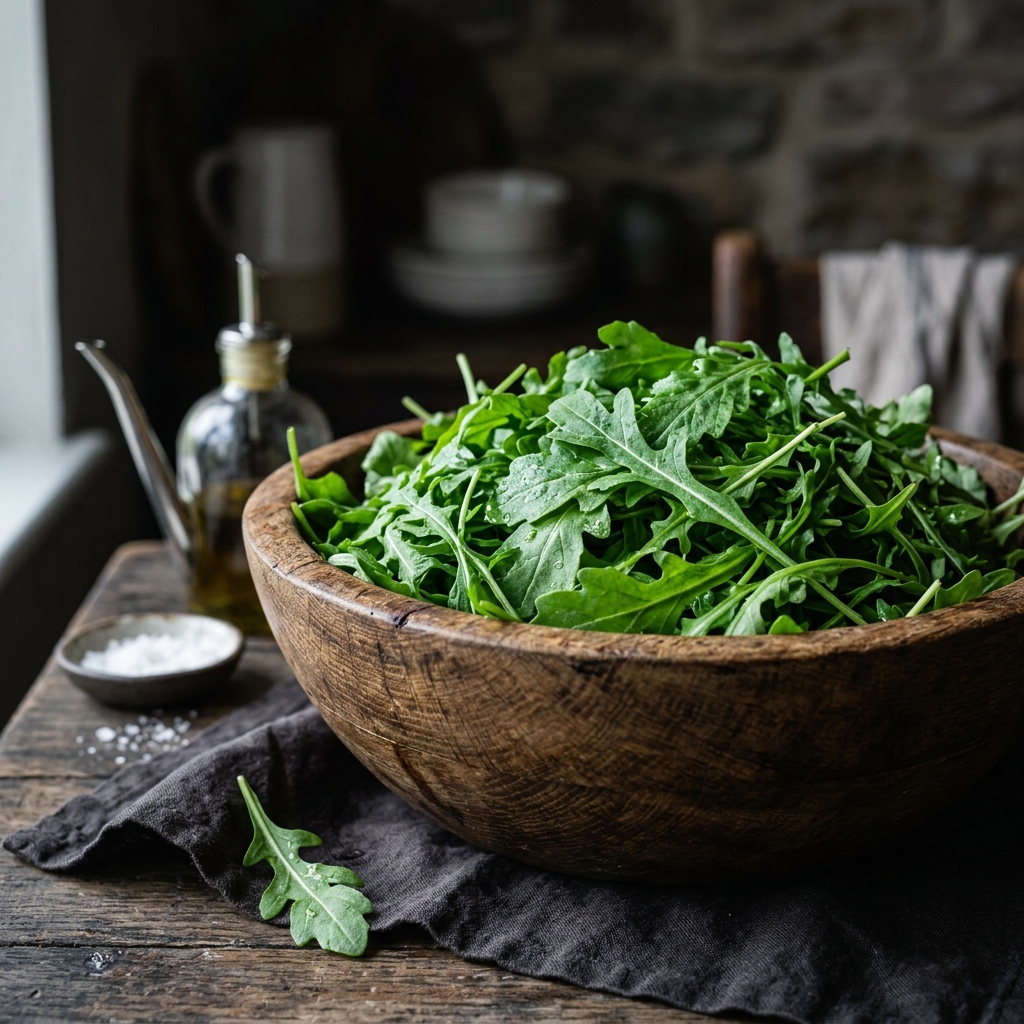
More Than Just a Salad Leaf: The Rise of Arugula in Modern Nutrition
Arugula (Eruca vesicaria), with its distinctive peppery and slightly bitter flavor, has long been a staple in Mediterranean cuisine, particularly in Italy where it is known as 'rucola' or 'roquette'. However, modern nutritional science has elevated this humble leafy green from a simple culinary garnish to the status of a true superfood. Beyond its undeniable culinary appeal, this cruciferous vegetable is a nutritional powerhouse that offers a profound array of health benefits that extend far beyond basic vitamin and mineral provision.
Unlike iceberg lettuce or even standard romaine, arugula is exceptionally low in calories—containing roughly 5 calories per cup—yet it is densely packed with essential nutrients. It serves as a formidable source of vitamin K, calcium, folate, and powerful antioxidants, making it a critical component of any diet focused on longevity, performance, and chronic disease prevention. As researchers continue to explore the intricate relationship between diet and cellular health, arugula has consistently emerged as a frontrunner in the realm of functional foods, particularly regarding cardiovascular optimization.
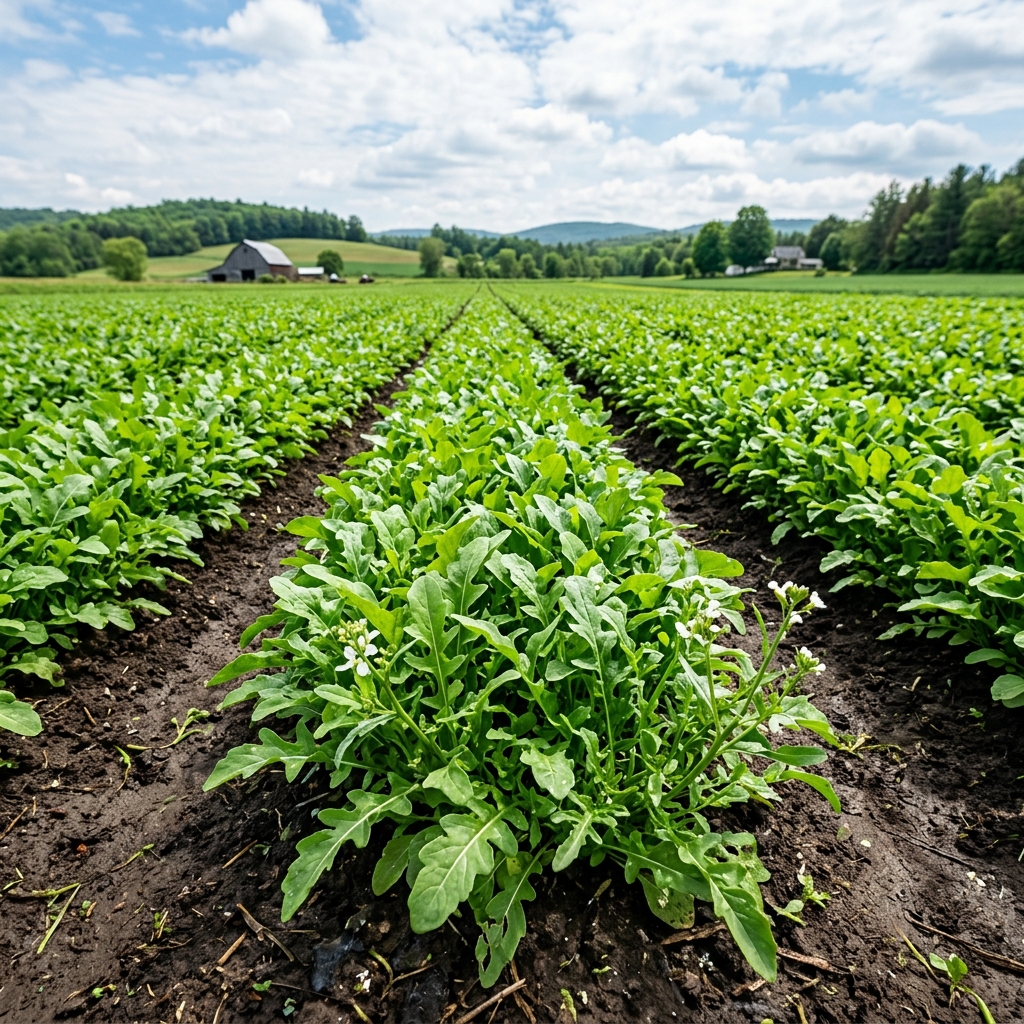
1. The Nitric Oxide Booster: Revolutionizing Cardiovascular Health
One of arugula's most significant and well-documented health benefits lies in its incredibly high concentration of dietary nitrates. For decades, nitrates were primarily associated with cured meats and viewed with caution. However, the paradigm shifted when scientists discovered that naturally occurring dietary nitrates found in vegetables operate entirely differently within the human body. When consumed, the nitrates in arugula are converted by beneficial bacteria in the oral microbiome into nitrites. These nitrites are then swallowed and further converted in the acidic environment of the stomach, and ultimately in the blood stream, into nitric oxide (NO).
Nitric oxide is a crucial, transient signaling molecule that acts as a potent vasodilator. This means it actively signals the smooth muscles surrounding our blood vessels to relax, thereby widening the vessels. This fundamental physiological process can lead to significant reductions in resting blood pressure, improved systemic blood flow, and enhanced oxygen and nutrient delivery to working muscles and vital organs [1]Dietary nitrate provides sustained blood pressure lowering in hypertensive patients: a randomized, phase 2, double-blind, placebo-controlled study
Hypertension / PubMed (2015)
View Study →. For individuals struggling with hypertension or poor circulation, incorporating high-nitrate foods like arugula can be a game-changer. Furthermore, this mechanism has made arugula highly popular among athletes seeking to optimize endurance and muscular efficiency during intense training sessions.
Arugula is among the top vegetable sources of dietary nitrates, frequently surpassing even beetroot in its ability to support natural, sustained nitric oxide production and cardiovascular resilience.
The cardiovascular benefits do not stop at vasodilation. The increased bioavailability of nitric oxide also helps inhibit platelet aggregation (preventing dangerous blood clots) and reduces the adhesion of white blood cells to the vascular endothelium, thereby mitigating vascular inflammation—a primary driver of atherosclerosis. By consistently incorporating arugula into your diet, you are essentially providing your cardiovascular system with the raw materials it needs to repair and optimize itself on a daily basis.
2. Cancer-Fighting Glucosinolates: The Cruciferous Advantage
As a proud member of the brassica family—alongside broccoli, kale, Brussels sprouts, and cabbage—arugula contains a unique class of sulfur-containing phytochemicals known as glucosinolates. These compounds are largely responsible for the plant's sharp, peppery taste and pungent aroma. However, their true value lies in their extensively studied chemopreventive properties. When arugula leaves are chewed, chopped, or digested, an enzyme called myrosinase is activated, breaking down the glucosinolates into biologically active downstream compounds, most notably isothiocyanates and indoles [2]Cruciferous vegetables and human cancer risk: epidemiologic evidence and mechanistic basis
PubMed (2007)
View Study →.
These active compounds have demonstrated remarkable potential in preventing cellular DNA damage and inhibiting the growth and proliferation of various cancer cell lines. Isothiocyanates, for instance, are known to modulate Phase I and Phase II detoxification enzymes in the liver. This essentially means they help the body neutralize and excrete potential carcinogens before they can cause cellular mutations. Additionally, research suggests that these compounds can induce apoptosis (programmed cell death) in existing malignant cells and inhibit angiogenesis, the process by which tumors develop their own blood supply to fuel their growth.

3. Antioxidant Activity: The Cardioprotective Power of Eruca Sativa
While arugula is widely recognized for its high nitrate content, its robust phytochemical profile offers additional, complementary benefits for cardiovascular health. Recent research has isolated specific flavonoids, particularly kaempferol glycosides, from the leaves of Eruca sativa. These potent antioxidant compounds have been demonstrated to significantly reduce reactive oxygen species (ROS) in cardiomyocytes, providing direct protection to heart muscle cells against oxidative stress [3]Chemical Constituents from the Leaves of Eruca sativa (Rocket Salad) Exhibiting Dual Cardioprotective and Antiplatelet Activities
PubMed (2025)
View Study →.
Furthermore, these specific chemical constituents exhibit notable antiplatelet activity. By inhibiting abnormal platelet aggregation, arugula's bioactive compounds work synergistically with its nitric oxide-boosting effects to improve overall vascular function and reduce the risk of thrombosis. This dual functional capacity—combining vasodilation with cellular antioxidant protection—cements arugula's status as a premier functional food for optimizing cardiovascular longevity and resilience.
Incorporating Arugula into a Holistic Diet
One of the greatest advantages of arugula is its incredible culinary versatility. Its bold, peppery flavor profile adds a sophisticated dimension to almost any dish. While it makes a fantastic, nutrient-dense base for salads (especially when paired with a lemon vinaigrette to provide vitamin C, which further boosts the absorption of plant-based iron), its applications extend far beyond the salad bowl. Arugula can be blended into vibrant, dairy-free pestos, folded into hot pasta or risottos just before serving to gently wilt the leaves, or used as a fresh, crisp topping on healthy pizzas and flatbreads.
For those seeking to maximize their dietary nitrate intake for cardiovascular or athletic benefits, consuming raw arugula is optimal, as cooking can diminish some of the water-soluble nitrates. However, lightly steaming or sautéing arugula can help break down its tough cellular walls, making certain antioxidants more bioavailable. Ultimately, the best approach is to enjoy arugula in a variety of forms. Adding just a handful of this peppery powerhouse to your daily meals can provide a significant, measurable boost to your heart health, bone density, and overall metabolic vitality.
Clinical Citations & References
- Dietary nitrate provides sustained blood pressure lowering in hypertensive patients: a randomized, phase 2, double-blind, placebo-controlled study
Hypertension / PubMed (2015)
View Study → - Cruciferous vegetables and human cancer risk: epidemiologic evidence and mechanistic basis
PubMed (2007)
View Study → - Chemical Constituents from the Leaves of Eruca sativa (Rocket Salad) Exhibiting Dual Cardioprotective and Antiplatelet Activities
PubMed (2025)
View Study →
Medical Disclaimer
The content provided on MyWholeFoods is for educational and informational purposes only and does not constitute medical advice. While our articles are peer-reviewed and cited from clinical literature, this information should not be used to diagnose, treat, or prevent any disease. Always consult with a qualified healthcare professional before making significant changes to your diet or wellness routine.

Gregory David Founder & Editor, MyWholeFoods
Gregory David is the founder and editor of MyWholeFoods. He researches evidence-based nutrition and whole foods by reviewing peer-reviewed scientific literature, including studies published through PubMed and other respected scientific sources. His goal is to present reliable nutrition information in a clear, practical, and accessible way for everyday readers.