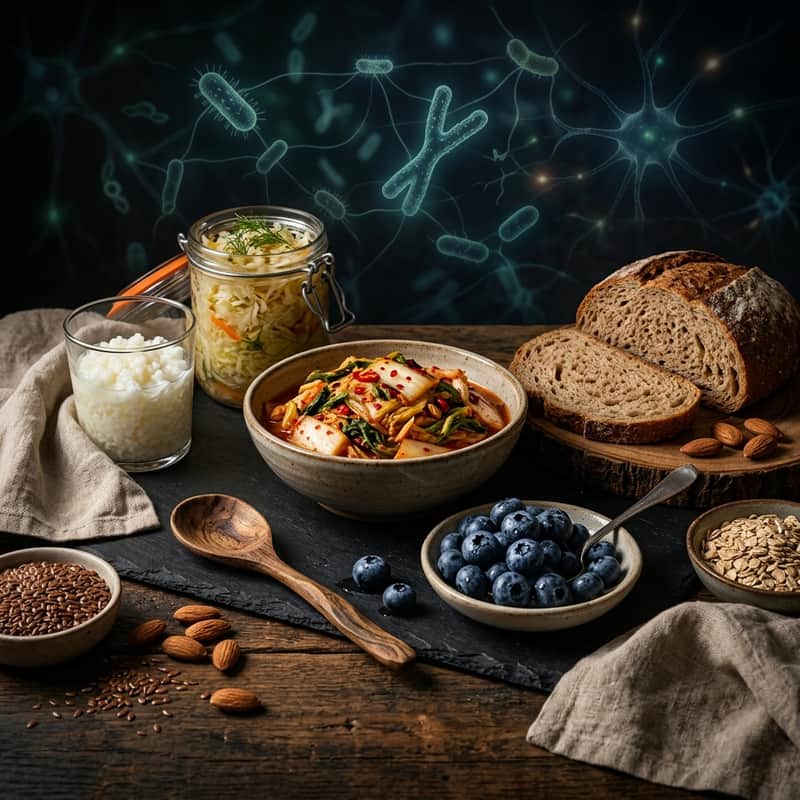
The Death of the Probiotic Fallacy
For years, the wellness industry sold us a simple, highly profitable narrative: if your gut is unhealthy, simply swallow a probiotic capsule containing a few billion bacteria, and health will be restored. By 2026, this 'probiotic fallacy' has been definitively debunked by leading gastroenterologists and immunologists [1]Gut-microbiota-targeted diets modulate human immune status
Cell (2021)
View Study →. We now understand that dropping a few strains of bacteria into an inhospitable, inflamed gut environment—one driven by a diet high in Ultra-Processed Foods (UPFs)—is as futile as planting seeds in toxic, barren soil. True gut health is not achieved through isolated supplements; it is engineered through the systemic, consistent consumption of a complex whole-food matrix that actively shapes a resilient microbiome.
The human microbiome is an intricate, highly competitive ecosystem containing trillions of organisms. It is constantly adapting based on the fuel it receives. When we consume diets heavy in refined sugars, acellular carbohydrates, and industrial emulsifiers—the hallmarks of UPFs—we essentially starve our beneficial, health-promoting bacteria while simultaneously feeding opportunistic pathogens. The result is 'dysbiosis,' a state of severe microbial imbalance that compromises the integrity of the intestinal wall, leading to chronic, low-grade systemic inflammation that acts as the root cause of autoimmune conditions, metabolic syndrome, and cognitive decline. This systemic inflammation is not merely localized to the digestive tract; it radiates outward, affecting the cardiovascular system, the liver, and the brain, illustrating why the gut is often referred to as the epicenter of human health.
Reversing this damage requires more than a simple, superficial intervention. It demands a complete restructuring of the gut environment. The modern approach focuses on prebiotics, polyphenols, and the structural integrity of the food we consume. By understanding the intricate biochemistry of how different macronutrients and micronutrients interact with our symbiotic bacteria, we can empower our bodies to heal the intestinal barrier, modulate our immune responses, and maintain optimal health throughout our lifespan. Research clearly demonstrates that dietary modifications can induce measurable changes in the microbiome within a matter of days, offering profound hope for those seeking to reclaim their metabolic resilience.
The Protective Power of Prebiotic Fiber
The turning point in modern nutritional science is the renewed reverence for prebiotic fiber. Unlike macronutrients that are absorbed in the upper digestive tract, complex prebiotic fibers found exclusively in whole plant foods travel intact to the colon. Here, they serve as the preferred, non-negotiable fuel source for our most critical keystone bacterial species [2]Diet rapidly and reproducibly alters the human gut microbiome
Nature (2014)
View Study →. When these bacteria ferment prebiotic fibers, they produce Short-Chain Fatty Acids (SCFAs), with butyrate being the undisputed star. Butyrate acts as a bridge between our diet and our immune system, providing a massive array of systemic benefits that are impossible to achieve without adequate dietary fiber.
Butyrate is nothing short of a biological miracle. It provides the primary energy source for the colonocytes (the cells lining the gut), actively suppresses inflammatory cytokine production, and reinforces the tight junctions of the gut barrier, effectively sealing a 'leaky gut.' Furthermore, SCFAs enter the systemic circulation, communicating directly with the immune system to downregulate autoimmune responses and traveling via the gut-brain axis to promote neurological resilience. To maximize butyrate production, the 2026 protocol emphasizes 'fiber diversity'—consuming a wide array of roots, tubers, legumes, and allium vegetables like garlic and leeks. Each type of fiber feeds a slightly different population of microbes, ensuring a robust and versatile gut ecosystem.
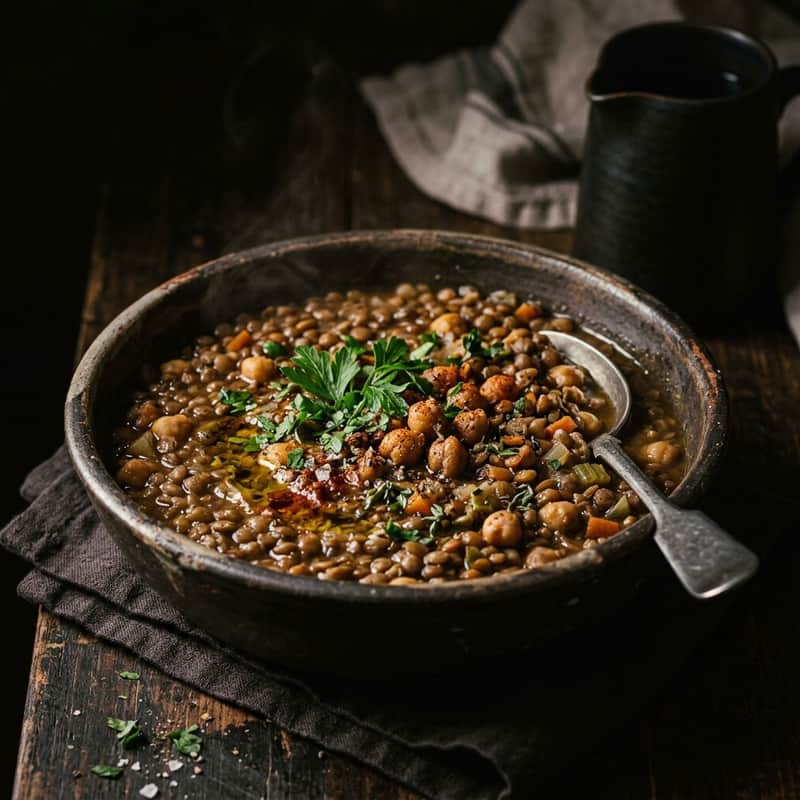
Consider the humble lentil or the resilient chickpea. These are not merely protein sources; they are complex delivery systems for resistant starch and soluble fiber. By shifting the dietary focus from macronutrient counting to 'fiber-maxxing,' individuals can rapidly alter their microbiome composition, cultivating an ecosystem that actively defends against metabolic disease and pathogens. Moreover, sustained consumption of prebiotic fiber has been linked to improved insulin sensitivity and a dramatic reduction in visceral adiposity, cementing its role as the cornerstone of human wellness. It is the steady, daily influx of complex plant fibers that dictates the long-term trajectory of our metabolic health.
Polyphenols: The Microbiome's Architect

While fiber is the primary fuel for the microbiome, polyphenols are the architects that shape its structure. Polyphenols are the robust, defense compounds produced by plants to survive environmental stressors. When we consume highly pigmented whole foods—such as wild blueberries, pomegranate, dark leafy greens, and raw cacao—we ingest massive quantities of these bioactive compounds. Crucially, up to 90% of dietary polyphenols are not absorbed in the small intestine; instead, they reach the colon intact, where they exert powerful prebiotic effects [3]Akkermansia muciniphila and improved metabolic health during a dietary intervention in obesity: relationship with gut microbiome richness and ecology
Gut (2016)
View Study →. This unabsorbed fraction was once considered 'waste,' but we now recognize it as essential nourishment for our gut flora.
Recent research highlights how specific polyphenols inhibit the growth of pathogenic bacteria while stimulating the proliferation of beneficial strains like Akkermansia muciniphila. This specific bacterium is heavily associated with improved insulin sensitivity, reduced visceral fat, and enhanced metabolic flexibility. In fact, one of the most exciting breakthroughs of the decade involves the conversion of ellagitannins (found abundantly in pomegranates and walnuts) by gut bacteria into urolithin A—a potent postbiotic molecule that triggers mitophagy, the process by which cells clear out damaged mitochondria, effectively slowing the cellular aging process. The synergy between dietary polyphenols and the microbiome illustrates how plant chemistry dictates human longevity.
This symbiosis illustrates the profound interconnectedness of the food matrix and human biology. We outsource critical biochemical processes to our microbiome, and in return, we must provide them with the specific structural elements—fibers and polyphenols—found only in whole, unadulterated foods. The deficiency of these compounds in the modern diet largely explains the ongoing epidemic of metabolic dysfunction and cognitive decline. By consciously incorporating dark, rich pigments into every meal, we are not merely consuming calories; we are directly feeding the microbial architects that construct our immune and metabolic defenses.
The Dangers of Emulsifiers and the UPF Trap
The shift toward whole foods is not just about what we include in our diets; it is equally about what we aggressively exclude. Ultra-Processed Foods are laden with industrial emulsifiers—chemicals like polysorbate 80 and carboxymethylcellulose—designed to improve texture and extend shelf life. However, clinical studies have revealed a dark reality: these emulsifiers act like detergents in the gut, stripping away the protective mucosal layer that separates our intestinal cells from the trillions of bacteria residing in the lumen [4]Dietary emulsifiers impact the mouse gut microbiota promoting colitis and metabolic syndrome
Nature (2015)
View Study →. This disruption is a catastrophic event for human health, as it breaks the fundamental barrier that keeps our immune system in a state of calm tolerance.
When this mucosal barrier is compromised, bacteria come into direct contact with the intestinal lining, triggering a massive, unrelenting immune response. This localized inflammation rapidly becomes systemic, driving the pathogenesis of inflammatory bowel diseases, obesity, and accelerated neurodegeneration. In stark contrast, a diet rooted in whole foods naturally supports the continuous regeneration of this critical mucosal layer, highlighting why the avoidance of UPFs is non-negotiable for long-term health. The constant exposure to these synthetic compounds is arguably the most destructive aspect of the modern food supply.
Avoiding the 'UPF Trap' demands a new level of consumer scrutiny. Unrelenting vigilance is required, as the food industry continues to cloak these additives beneath deceptive, clean-label vocabulary. The only guaranteed way to protect your microbiome from this detergent-level exposure is to prioritize home food preparation utilizing single-item ingredients—the unprocessed vegetables, intact legumes, and ancient grains that shaped the human diet for millennia. By reclaiming control over our food preparation, we construct an impenetrable shield around our fragile internal ecosystems.
A Blueprint for Ultimate Resilience
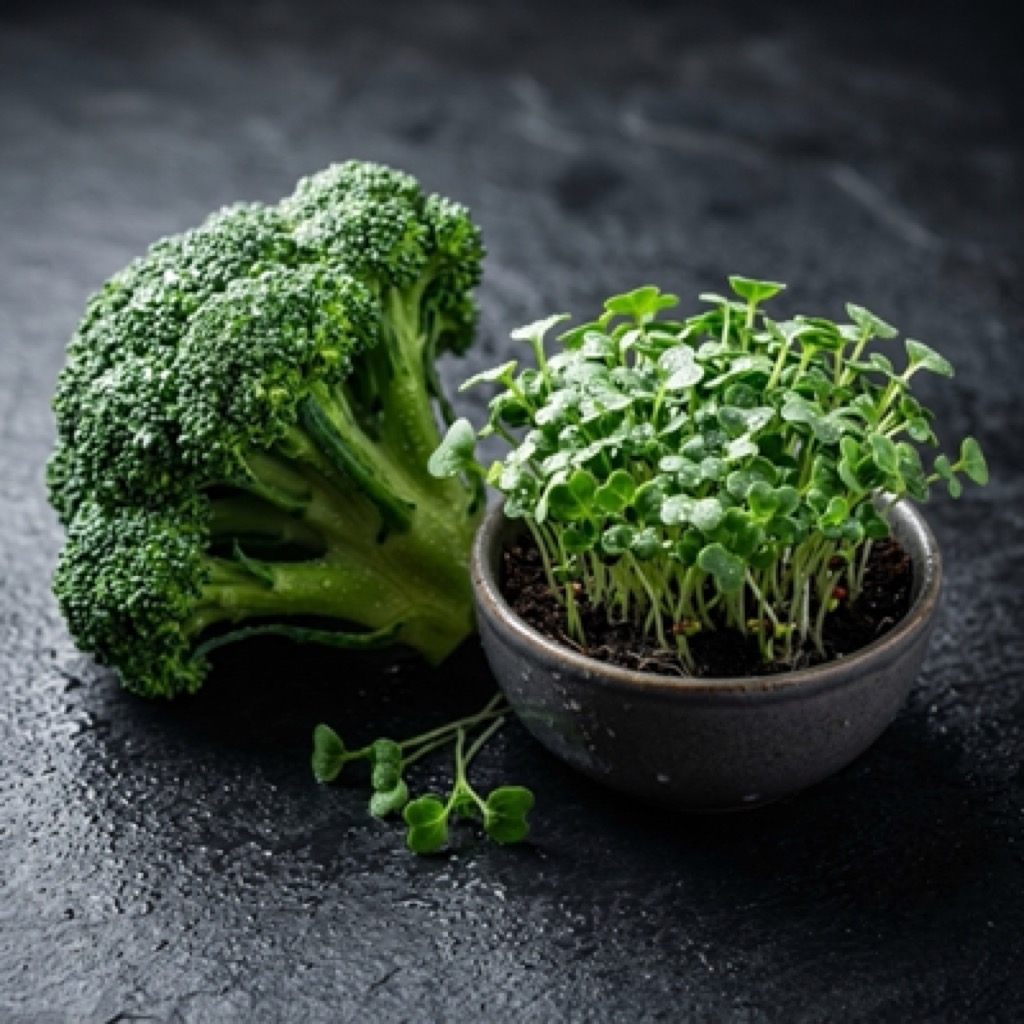
Building microbiome resilience is a deliberate, daily practice. It requires stepping out of the UPF food matrix and embracing the incredible complexity of nature's design. The 2026 blueprint is clear: prioritize profound fiber diversity, seek out deeply pigmented, polyphenol-rich fruits and vegetables, and incorporate traditional fermented foods to introduce transient beneficial microbes that temporarily modulate the immune system as they pass through the gut. This approach recognizes that health is not a destination, but an active, dynamic process of continual nourishment.
By adopting this whole-food philosophy, we are not just feeding ourselves; we are cultivating a thriving, highly resilient inner ecosystem that stands as our ultimate defense against the diseases of modernity. The era of reductionist nutrition is over. The era of the resilient, whole-food engineered microbiome has arrived. Every meal presents a critical opportunity to invest in your long-term cellular resilience, reinforcing the intestinal barrier, and optimizing your neuro-metabolic landscape. The power to drastically transform your health span lies entirely within the matrix of the whole foods you select.
To succeed in this modern environment, we must become intentional architects of our microbiome. Removing synthetic toxins and emulsifiers, and saturating the body with prebiotics and polyphenols, is the only viable physiological path forward. Harness the power of lentils, pomegranate, garlic, and blueberries, and watch your body respond with unprecedented energy levels, cognitive clarity, and immune protection. The future of medicine lies not in a pharmacy, but in the profound complexity of the natural food matrix.
Clinical Citations & References
- Gut-microbiota-targeted diets modulate human immune status
Cell (2021)
View Study → - Diet rapidly and reproducibly alters the human gut microbiome
Nature (2014)
View Study → - Akkermansia muciniphila and improved metabolic health during a dietary intervention in obesity: relationship with gut microbiome richness and ecology
Gut (2016)
View Study → - Dietary emulsifiers impact the mouse gut microbiota promoting colitis and metabolic syndrome
Nature (2015)
View Study →
Medical Disclaimer
The content provided on MyWholeFoods is for educational and informational purposes only and does not constitute medical advice. While our articles are peer-reviewed and cited from clinical literature, this information should not be used to diagnose, treat, or prevent any disease. Always consult with a qualified healthcare professional before making significant changes to your diet or wellness routine.