The Cognitive Potential of Matcha
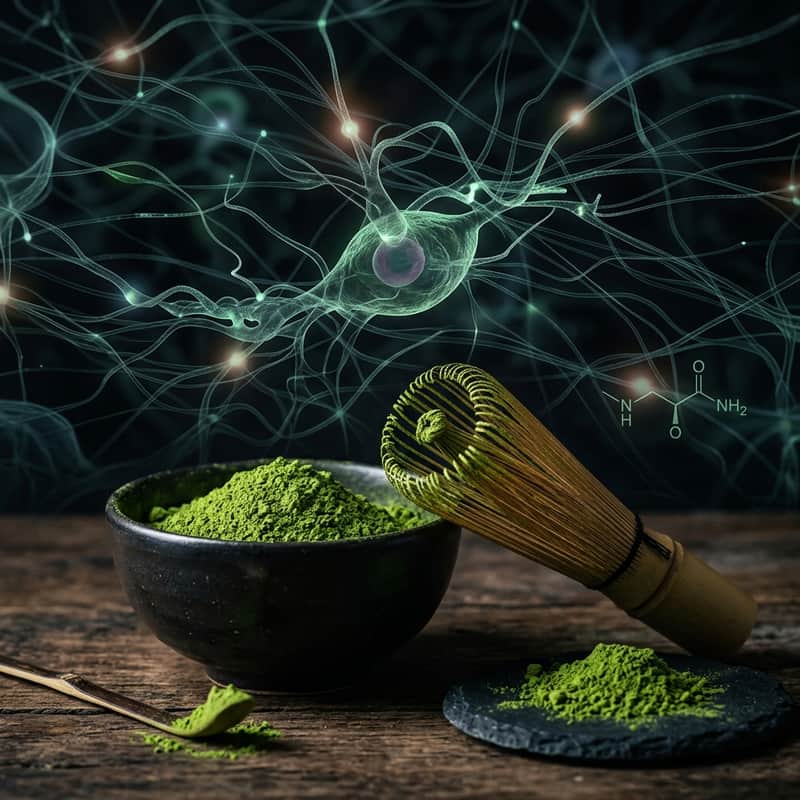
Matcha, a finely ground powder of specially grown and processed green tea leaves, has been consumed for centuries in East Asia, primarily within the rigorous confines of Zen Buddhist traditions. However, over the past decade, modern clinical science has begun to unpack the profound neuroprotective and cognitive-enhancing properties of this vibrant green superfood. The secret to matcha's unparalleled efficacy lies in its unique cultivation process. Weeks before harvest, the tea bushes are shaded to prevent direct sunlight. This controlled stress forces the plant to massively overproduce chlorophyll and specific amino acids, fundamentally altering its biochemical profile compared to conventional green tea.
Unlike regular green tea, where the leaves are steeped in water and then discarded—leaving behind the vast majority of non-water-soluble nutrients—consuming matcha involves ingesting the entire pulverized leaf. This means the human body receives a dramatically higher, pharmacologically active concentration of bioactive compounds. The two most consequential of these compounds for human brain health are the amino acid L-theanine and the potent polyphenol Epigallocatechin gallate (EGCG). Together, these compounds orchestrate a complex, multi-pathway defense against cellular aging and neurological decline.
EGCG, in particular, is one of the most powerful natural antioxidants ever discovered. It readily crosses the blood-brain barrier, where it acts as a direct free-radical scavenger, neutralizing the oxidative stress that slowly damages neurons over a lifetime. Furthermore, EGCG has been shown in in-vitro studies to actively inhibit the formation of amyloid-beta plaques—the sticky, toxic proteins that accumulate in the brains of Alzheimer's patients. By mitigating this plaque formation and reducing systemic neuro-inflammation, matcha provides a daily, compounding defense against the structural degradation of the brain.
Matcha provides a unique synergistic effect between caffeine and L-theanine, promoting a state of calm, focused alertness without the jittery crash associated with coffee. It is the perfect neuro-metabolic fuel.
L-theanine: The Brain's Calming Agent
L-theanine is a rare, non-protein amino acid found almost exclusively in the Camellia sinensis tea plant, and it is present in exceptionally high concentrations in shade-grown matcha. Once ingested, L-theanine easily crosses the blood-brain barrier, typically reaching the brain within 30 to 45 minutes. Its primary mechanism of action is its ability to significantly increase the generation of alpha brain waves (8-12 Hz). Alpha waves are neurologically associated with a state of 'relaxed alertness'—the exact same highly focused yet deeply calm mental state achieved by experienced practitioners during deep meditation.
In the context of age-related cognitive decline, L-theanine plays an absolutely critical role in dampening psychological stress and generalized anxiety, which are increasingly recognized as primary accelerants of neurodegenerative processes. Chronic stress leads to sustained elevations in cortisol, a glucocorticoid hormone that, over time, literally shrinks the hippocampus—the brain's memory center. By actively modulating the release of inhibitory neurotransmitters like Gamma-aminobutyric acid (GABA), while simultaneously fine-tuning dopamine and serotonin levels, L-theanine acts as a neurological buffer. It shields the hippocampus from the toxic effects of chronic stress.
Moreover, the L-theanine in matcha works in perfect synergy with its natural caffeine content. While caffeine is an effective central nervous system stimulant that enhances memory consolidation and reaction time, it often triggers an excessive release of adrenaline, leading to anxiety, a racing heart, and the inevitable mid-afternoon crash. L-theanine brilliantly antagonizes the stimulatory effects of caffeine. It binds to the same receptors that would normally trigger the jittery response, smoothing out the caffeine curve into a sustained, steady stream of clear, focused energy that lasts for hours, fundamentally optimizing daily cognitive output without the metabolic debt.
Clinical Evidence: A 12-Month Controlled Study
While observational data on tea consumption has existed for decades, a groundbreaking 2024, double-blind, randomized controlled trial published in the journal PLoS One provided definitive, rigorous clinical evidence of matcha's efficacy. The researchers specifically examined the long-term, 12-month effects of daily matcha consumption on older adults who were already experiencing mild cognitive impairment (MCI)—a critical transitional stage between normal age-related cognitive changes and dementia.
Over the course of the 12-month study, the participants who consumed the standardized daily dose of matcha demonstrated statistically significant, measurable improvements in specific, critical cognitive domains compared to the placebo group. Most notably, the matcha group showed enhanced executive function, improved working memory capacity, and faster cognitive processing speeds. These are the exact neurological functions that typically deteriorate first in aging populations, demonstrating that the phytochemicals in matcha are not merely preventative, but potentially restorative.
Furthermore, and perhaps most surprisingly, the study noted significant, quantifiable improvements in sleep quality and sleep efficiency among the matcha group. Quality sleep is foundational for cognitive health; it is a non-negotiable biological requirement. It is specifically during the deepest stages of slow-wave sleep that the brain's glymphatic system becomes active, literally washing cerebrospinal fluid through the brain tissue to clear out metabolic waste products, including the aforementioned amyloid-beta plaques. By reducing daytime stress via L-theanine, matcha sets the stage for a deeper, more restorative architecture of sleep at night, creating a virtuous cycle of neurological repair.
Integrating Matcha into Your Daily Protocol
To truly harness the compounding cognitive and neuroprotective benefits of matcha, consistency is paramount. Treating matcha as an occasional novelty beverage will not yield clinical results; it must be integrated as a daily, structural component of your nutritional protocol. Incorporating 1 to 2 servings (approximately 2 to 4 grams) of high-quality, ceremonial-grade matcha into your daily routine provides a steady, reliable supply of these neuroprotective phytochemicals.
Sourcing is critical. Because you are consuming the entire leaf, it is absolutely essential to choose organic, third-party tested matcha to avoid ingesting concentrated heavy metals, pesticides, or fluoride that lower-quality teas often accumulate from depleted soils. Look for a vibrant, almost neon-green color, which indicates high chlorophyll content and proper shading techniques, and avoid dull, yellowish powders which denote oxidation and nutrient loss.
Whether prepared traditionally by whisking the sifted powder into hot (not boiling, to preserve the delicate catechins) water with a bamboo chasen, or seamlessly blended into a morning protein smoothie alongside healthy fats like coconut oil or avocado to enhance the absorption of the fat-soluble vitamins, matcha offers a scientifically validated, highly accessible nutritional strategy. It is one of the most powerful dietary interventions available for supporting long-term brain health, slowing cognitive decline, and building lifelong neurological resilience.
Medical Disclaimer
The content provided on MyWholeFoods is for educational and informational purposes only and does not constitute medical advice. While our articles are peer-reviewed and cited from clinical literature, this information should not be used to diagnose, treat, or prevent any disease. Always consult with a qualified healthcare professional before making significant changes to your diet or wellness routine.