Nitric oxide is a vital, naturally occurring molecule produced by your body that acts as a powerful vasodilator. It functions as a signaling molecule, essentially telling the inner muscles of your blood vessels to relax, which in turn causes the vessels to widen. In this way, nitric oxide dramatically increases blood flow and lowers blood pressure. While synthetic supplements are popular in the fitness and health communities, obtaining nitric oxide precursors from your daily diet is highly effective, remarkably safe, and provides a broader spectrum of complementary nutrients. [1]Dietary Intakes of Plant and Animal Nitrate and 5-Year Blood Pressure Changes
Hypertension (Dallas, Tex. : 1979) (2026)
View Study → Dietary nitrates found in specific whole foods are readily converted into nitric oxide through a fascinating biological process, offering a safe and sustained boost to both your cardiovascular health and your physical endurance over time.
The discovery of nitric oxide as an endothelial-derived relaxing factor was so monumental that it led to the awarding of the 1998 Nobel Prize in Physiology or Medicine. Since then, the understanding of this tiny, short-lived gas molecule has exploded. We now know that practically every cell type in the human body relies on nitric oxide to communicate and function properly. Its role extends far beyond just relaxing blood vessels; it acts as a neurotransmitter in the brain, modulates the immune system to fight off infections, and regulates the life and death of cells. Given its fleeting nature—often surviving for just milliseconds—maintaining a steady supply of its precursors through diet is paramount for achieving optimal health and preventing age-related decline.
The Biochemistry of Nitric Oxide
To truly appreciate the power of dietary nitrates, one must understand the two primary pathways through which the body synthesizes nitric oxide. The first pathway involves the enzyme nitric oxide synthase (NOS), which utilizes the amino acid L-arginine to produce NO. This pathway requires oxygen and is heavily active in young, healthy individuals. However, as we age, NOS function significantly declines, and the L-arginine pathway becomes less efficient, contributing to age-related hypertension and endothelial dysfunction. The second pathway, which becomes increasingly crucial as we grow older, is the nitrate-nitrite-nitric oxide pathway. This is entirely independent of the NOS enzyme and, remarkably, can function perfectly even in hypoxic (low oxygen) conditions. This secondary pathway relies entirely on the dietary consumption of inorganic nitrates, primarily sourced from vegetables.
The biological conversion of dietary nitrates into usable nitric oxide is a marvel of human-microbe symbiosis. When you consume nitrate-rich whole foods, the nitrates are rapidly absorbed in the stomach and small intestine, entering the bloodstream. Interestingly, up to 25% of these circulating nitrates are actively concentrated in the salivary glands and secreted back into the mouth. Here, commensal anaerobic bacteria residing on the back of the tongue reduce the nitrates into nitrites. When you swallow this nitrite-rich saliva, the acidic environment of the stomach, along with enzymes in the blood and tissues, further reduces the nitrites into active nitric oxide gas. This emphasizes why using antibacterial mouthwash can actually raise your blood pressure by completely obliterating the oral microbiome responsible for this crucial conversion.
Top Whole Food Sources
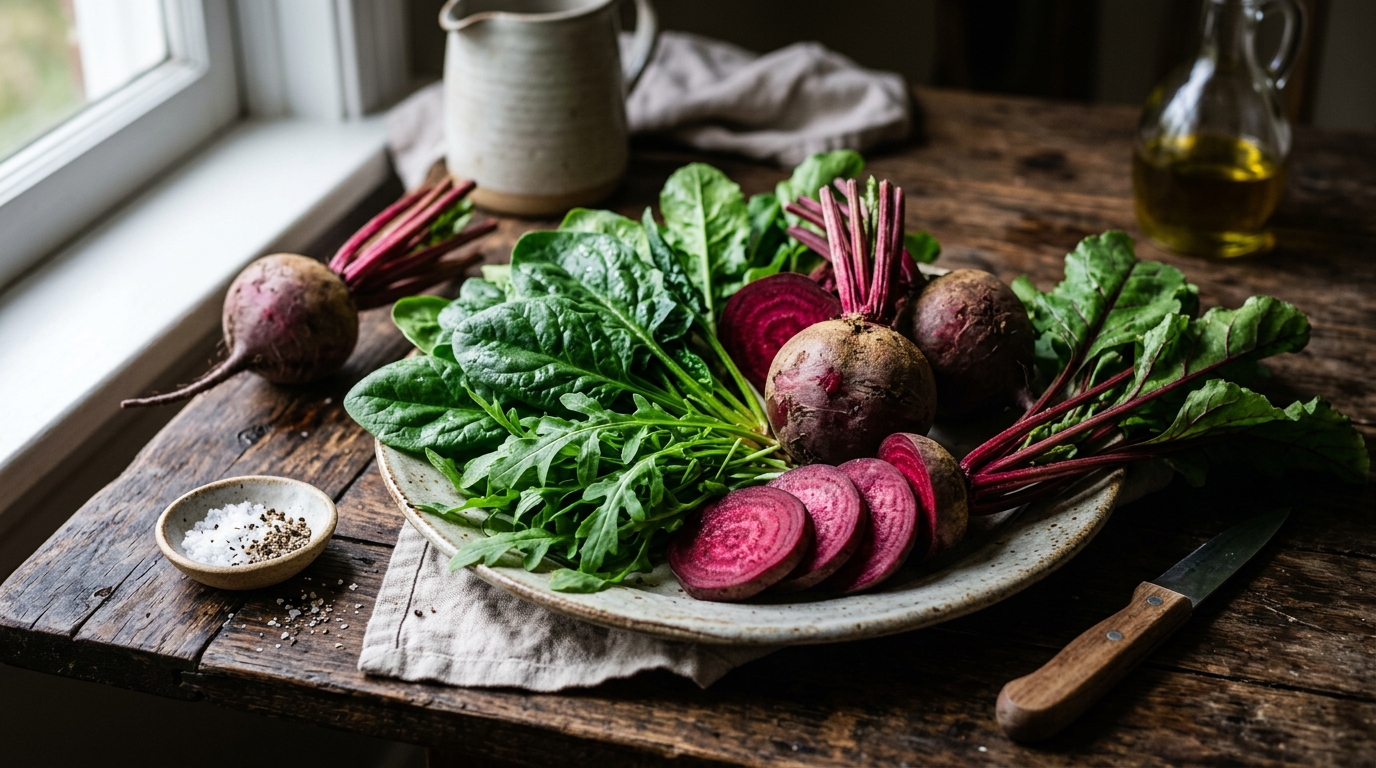
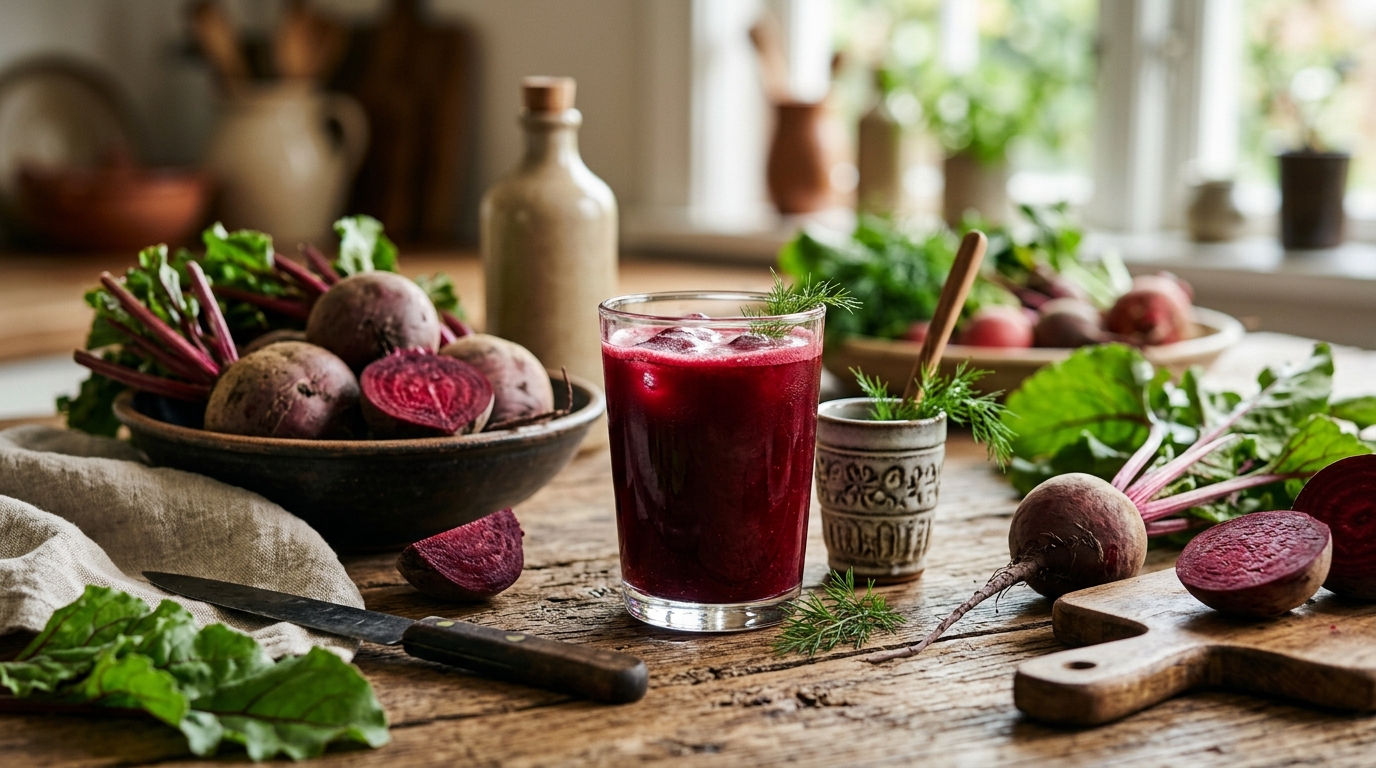
Beetroot is undoubtedly the most famous and widely researched dietary source of inorganic nitrates. The deep red roots are packed with a concentration of nitrates that few other foods can rival. When you consume beets—whether roasted, boiled, or cold-pressed into a vibrant juice—the profound effect on blood pressure can be measured within hours. Clinical studies have consistently demonstrated that drinking beetroot juice can lower systolic blood pressure by 4 to 5 mmHg, an effect comparable to some clinical antihypertensive medications. [3]Acute beetroot juice supplementation improves selected physical performance parameters in healthy older women: a randomized clinical trial
European journal of translational myology (2026)
View Study → Beyond mere blood pressure reduction, the continuous incorporation of fresh beetroot into your weekly meals helps maintain the elasticity of arteries, preventing the stiffening that often leads to severe cardiovascular events later in life.
While beetroot steals the spotlight, dark leafy greens are actually the unsung heroes of the dietary nitrate world. Arugula (rocket), spinach, Swiss chard, and kale boast incredibly high nitrate concentrations per gram of weight. In fact, arugula contains more nitrates by weight than beetroot! Consuming a large, diverse salad containing a mix of these dark greens can easily supply a daily dose of nitrates that meets or exceeds the amounts used in clinical trials. The robust fiber matrix of these greens also ensures a slower, more sustained release of nitrates into the bloodstream compared to liquid juices, providing an all-day trickle of nitric oxide precursors rather than a sudden spike.

To maximize the conversion of these plant-based nitrates into nitric oxide, your body highly depends on antioxidants, particularly Vitamin C. Nitric oxide is an incredibly unstable molecule that rapidly degrades when exposed to free radicals. Consuming citrus fruits, bell peppers, or berries alongside your nitrate-rich leafy greens (such as a spinach salad topped with strawberries and a lemon vinaigrette) not only facilitates the enzymatic reduction of nitrites to nitric oxide but also stabilizes the resulting NO molecules in the bloodstream, dramatically extending their half-life. [2]Lowering salivary pH with sugar-containing gum augments salivary nitrite production and blood pressure reduction with dietary nitrate (beetroot juice)
British journal of clinical pharmacology (2026)
View Study → This powerful, natural food synergy beautifully highlights why eating a diverse, colorful diet of whole foods is biologically far superior to simply taking isolated nitrate powders or supplements.
Athletic Performance and Endurance
In the realm of sports nutrition, the profound impact of dietary nitrates on athletic performance has revolutionized how elite athletes prepare for competition. By enhancing the vasodilation of blood vessels, nitric oxide ensures that oxygen and nutrient-rich blood are delivered much more rapidly and efficiently to working skeletal muscles. This enhanced perfusion allows muscles to contract forcefully for extended periods before succumbing to fatigue. Cyclists, runners, and swimmers frequently implement a "beetroot juice loading" protocol in the days leading up to an event, capitalizing on the resulting surge in nitric oxide to shave precious seconds off their personal bests and dramatically delay the onset of muscular exhaustion.
What is even more fascinating is that nitric oxide actually improves mitochondrial efficiency. Mitochondria are the powerhouses of our cells, responsible for generating ATP (energy). Elevated levels of nitric oxide have been shown to reduce the oxygen cost of exercise, meaning your muscles require significantly less oxygen to produce the same amount of power. This physiological hack allows athletes to maintain a higher intensity workload while operating at a lower perceived exertion level. This benefit is not exclusively for elite competitors; casual gym-goers and recreational runners can experience remarkable improvements in their stamina and recovery times by simply integrating more spinach and beets into their pre-workout nutrition strategies.
Cardiovascular Disease Prevention
Endothelial dysfunction—a condition where the inner lining of the blood vessels fails to produce adequate nitric oxide—is widely recognized as the earliest physiological event in the progression of cardiovascular disease and atherosclerosis. As the vessels lose their ability to dilate appropriately, blood pressure rises, and the arterial walls become susceptible to inflammation and plaque buildup. By proactively flooding the body with dietary nitrates, you effectively bypass the dysfunctional endothelial enzymes and restore systemic nitric oxide levels through the alternative microbiome pathway. This dietary intervention acts as a profound protective shield, keeping the arteries flexible, reducing arterial stiffness, and inhibiting the adhesion of platelets and white blood cells to the vascular wall.
It is absolutely crucial, however, to distinguish between the health-promoting inorganic nitrates found in vegetables and the synthetic nitrites added as preservatives to ultra-processed meats like bacon, hot dogs, and deli slices. In whole plants, nitrates coexist perfectly with a matrix of antioxidants, polyphenols, and Vitamin C that actively prevent them from forming harmful, carcinogenic nitrosamines in the acidic environment of the stomach. In stark contrast, the synthetic nitrites used in processed meats lack these protective antioxidant compounds and are often exposed to incredibly high cooking temperatures, leading to the rapid formation of potent carcinogens. Therefore, to safely and effectively boost your nitric oxide levels, you must strictly rely on fresh, organic vegetables and fruits rather than chemically cured meats.
Actionable Dietary Strategies
Incorporating nitric oxide-boosting foods into your daily routine is simple, affordable, and delicious. For a rapid, concentrated dose, cold-pressed beetroot juice is unparalleled. However, blending whole beets into a smoothie retains the vital dietary fiber, which slows the absorption of sugars and supports a healthier gut microbiome. Alternatively, making a massive, daily "nitrate salad" using a base of arugula and spinach, generously topped with walnuts, citrus slices, and a light olive oil dressing, will provide a massive surge of precursors that are steadily metabolized throughout the day. Remember to chew your leafy greens thoroughly, as the mastication process gives the oral bacteria ample time to begin the crucial conversion of nitrates to nitrites.
The timing of your nitrate consumption can also significantly influence its biological impact. Because the conversion process from nitrate to active nitric oxide takes time, the peak concentration of NO in the bloodstream typically occurs two to three hours after ingestion. If you are consuming beets or leafy greens specifically to enhance an athletic endeavor, aim to eat them roughly 120 to 180 minutes before your workout begins. For general cardiovascular maintenance and blood pressure control, dividing your intake into a morning juice and an evening salad ensures that your vascular system is continuously bathed in the restorative, relaxing effects of nature's ultimate vasodilator. By understanding and leveraging this remarkable biological pathway, you hold the power to fundamentally transform your vascular health using nothing more than the profound medicine found in whole foods.
Clinical Citations & References
- Dietary Intakes of Plant and Animal Nitrate and 5-Year Blood Pressure Changes
Hypertension (Dallas, Tex. : 1979) (2026)
View Study → - Lowering salivary pH with sugar-containing gum augments salivary nitrite production and blood pressure reduction with dietary nitrate (beetroot juice)
British journal of clinical pharmacology (2026)
View Study → - Acute beetroot juice supplementation improves selected physical performance parameters in healthy older women: a randomized clinical trial
European journal of translational myology (2026)
View Study →
Medical Disclaimer
The content provided on MyWholeFoods is for educational and informational purposes only and does not constitute medical advice. While our articles are peer-reviewed and cited from clinical literature, this information should not be used to diagnose, treat, or prevent any disease. Always consult with a qualified healthcare professional before making significant changes to your diet or wellness routine.

Gregory David Founder & Editor, MyWholeFoods
Gregory David is the founder and editor of MyWholeFoods. He researches evidence-based nutrition and whole foods by reviewing peer-reviewed scientific literature, including studies published through PubMed and other respected scientific sources. His goal is to present reliable nutrition information in a clear, practical, and accessible way for everyday readers.