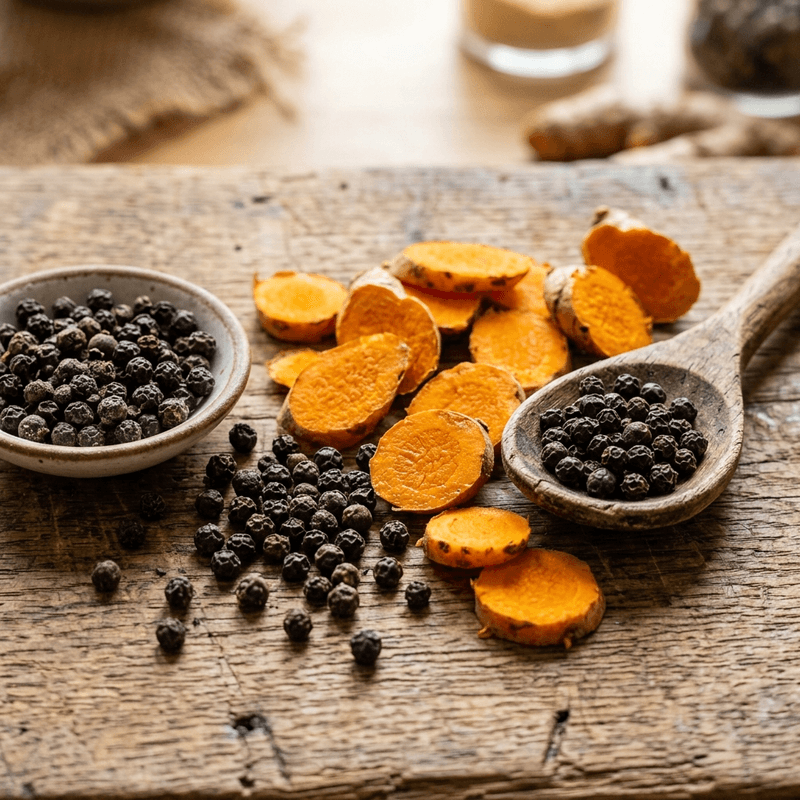
The Bioavailability Bottleneck
When we consume nutrient-dense whole foods, we often operate under the assumption that every milligram of vitamins, minerals, and complex phytonutrients enters our systemic circulation to immediately exert physiological benefits. However, the biological reality of human digestion and hepatic metabolism is far more restrictive and highly regulated. The human liver and the epithelial cells lining our intestines act as formidable gatekeepers, employing highly sophisticated and ancient enzyme systems designed to filter, neutralize, and excrete foreign compounds before they can reach the bloodstream and exert unpredictable biological effects. This metabolic gauntlet is precisely why many incredibly powerful plant-based antioxidants—despite showing astonishing potential in isolated, in-vitro cellular studies—often fail to deliver measurable clinical results in human in-vivo trials. Their 'bioavailability'—defined as the proportion of the ingested substance that successfully crosses the intestinal barrier, survives first-pass metabolism in the liver, and ultimately reaches the systemic circulation—is fundamentally limited. Among the most notorious of these heavily restricted compounds is curcumin, the primary active polyphenol found in turmeric. Without the presence of a metabolic bio-enhancer, curcumin is rapidly metabolized, conjugated, and eliminated from the body within hours, rendering standard dietary consumption largely ineffective for achieving systemic anti-inflammatory benefits. This is exactly where the profound biochemical power of piperine comes into play, effectively acting as a master key to unlock the true potential of our diet. [1]Influence of piperine on the pharmacokinetics of curcumin in animals and human volunteers
Planta Medica (1998)
View Study →
The Mechanism of Piperine: Inhibiting UGTs and CYP450
Piperine is the naturally occurring, pungent alkaloid responsible for the characteristic bite and heat of black pepper (Piper nigrum). While humans have utilized black pepper for thousands of years as a culinary spice and traditional medicine, modern pharmacokinetics has reclassified piperine as one of the natural world's most potent 'bio-enhancers'. Its primary mechanism of action is both elegant and profound: it involves the targeted, temporary, and highly specific inhibition of key metabolic enzymes located primarily in the liver and the intestinal mucosa. Specifically, piperine has been shown to temporarily inhibit Uridine 5'-diphospho-glucuronosyltransferases (UGTs) and Cytochrome P450 3A4 (CYP3A4). UGTs are the enzymes responsible for a metabolic process called 'glucuronidation'. During glucuronidation, the liver attaches a glucuronic acid molecule to a nutrient or toxin, dramatically increasing its water solubility so that the kidneys can rapidly filter and excrete it via urine. Simultaneously, CYP3A4 is a crucial oxidative enzyme responsible for breaking down a vast array of xenobiotics and active dietary compounds. By temporarily binding to and inhibiting these specific enzymes, piperine effectively pauses the body's rapid-clearance system. This creates a critical metabolic window of opportunity, allowing target nutrients to pass intact through the intestinal wall and bypass the liver's aggressive neutralization protocols without being immediately destroyed. This action significantly extends the half-life of these nutrients, allowing their concentration in the blood plasma to reach therapeutic levels. [2]Piperine, a major constituent of black pepper, inhibits human P-glycoprotein and CYP3A4
Journal of Pharmacology and Experimental Therapeutics (2002)
View Study →
Curcumin: The Ultimate Synergistic Partnership
The most extensively documented and arguably the most dramatic example of piperine's bio-enhancing capabilities is its profound synergy with curcumin. For decades, the therapeutic application of curcumin was severely hindered by its tragically low bioavailability. In a landmark clinical pharmacokinetic study that revolutionized the supplement industry, researchers administered a massive 2-gram dose of pure curcumin to healthy human volunteers. Despite the large dose, the resulting serum levels of curcumin were barely detectable, confirming its rapid clearance and poor absorption. However, the experiment was then repeated with a crucial modification: the exact same 2-gram dose of curcumin was administered alongside a mere 20 milligrams of isolated piperine. The resulting pharmacokinetic profile was nothing short of extraordinary. The systemic bioavailability of curcumin skyrocketed by an astonishing 2,000%. Not only did the maximum serum concentration (Cmax) peak significantly higher, but the curcumin remained elevated in the bloodstream for several hours. This extended circulation allowed the curcumin molecules to effectively distribute throughout the body's tissues and exert their powerful, well-documented anti-inflammatory and antioxidant effects systemically. This precise 100:1 ratio—curcumin to piperine—has since become the undisputed gold standard in clinical nutrition, Ayurvedic practice, and modern supplementation, conclusively proving that the true medicinal power of turmeric can only be fully unlocked when it is accompanied by the active compounds in black pepper. [3]Bioavailability of Curcumin: Problems and Promises
Molecular Pharmaceutics (2007)
View Study →
Expanding the Net: Resveratrol, EGCG, and Beta-Carotene
While the legendary turmeric-piperine combination commands the most attention in wellness circles, piperine's inhibitory effects on drug-metabolizing enzymes make it a nearly universal bio-enhancer for a remarkably wide range of fragile and notoriously hard-to-absorb phytonutrients. Consider resveratrol, the highly sought-after cardioprotective stilbenoid found predominantly in red grapes, berries, and certain nuts. Resveratrol suffers from the exact same severe first-pass metabolism issues as curcumin, rapidly converting into less active sulfate and glucuronide conjugates before reaching systemic tissues. Clinical studies have clearly demonstrated that co-administering resveratrol with a small dose of piperine significantly increases its maximum serum concentration and drastically delays its clearance from the body, thereby magnifying its neuroprotective, anti-inflammatory, and anti-aging potential. Similarly, Epigallocatechin gallate (EGCG), the primary and most powerful catechin in green tea—renowned for its potent metabolic and oncological defense properties—sees a marked and measurable increase in intestinal absorption when paired with piperine. Furthermore, cutting-edge research has shown that piperine enhances the intestinal transport of fat-soluble vitamins and provitamins, such as beta-carotene and Coenzyme Q10. By mildly stimulating amino acid transporters and temporarily altering the fluid dynamics of the intestinal brush border membrane, piperine ensures that a much broader spectrum of critical nutrients crosses the epithelial barrier intact, fundamentally upgrading the nutritional yield of whatever foods it is paired with. [4]Enhancement of the bioavailability of resveratrol by combining it with piperine
Molecular Nutrition & Food Research (2011)
View Study →
Clinical Considerations and Gastric Dynamics
While the systemic benefits of piperine are undoubtedly profound, its potent biological activity requires a nuanced understanding of clinical dynamics and potential contraindications. Because piperine effectively inhibits the very same enzymes (such as CYP3A4 and P-glycoprotein) that are responsible for metabolizing a significant percentage of pharmaceutical drugs, it can inadvertently increase the blood concentration of certain medications to unintended, potentially toxic levels. Therefore, individuals who are on strict pharmacological regimens—particularly those taking blood thinners, cardiovascular medications, or narrow-therapeutic-index drugs—must absolutely consult their primary care physicians before consuming therapeutic, concentrated doses of piperine or heavily concentrated black pepper extracts. Beyond enzyme inhibition, piperine also plays a highly active role in gastric mechanics. It acts as a potent secretagogue, actively stimulating the release of crucial digestive enzymes from the pancreas and significantly increasing the secretion of hydrochloric acid in the stomach. While this enhanced enzymatic activity drastically aids in the overall breakdown of complex food matrices and the extraction of macronutrients, individuals with severe gastritis, active peptic ulcers, or severe acid reflux may experience acute irritation from high doses. For the vast majority of the general population, however, this targeted gastric stimulation simply serves to 'prime' the gastrointestinal tract, ensuring optimal conditions for nutrient extraction and assimilation from a heavy meal. [5]Piperine: A review of its biological effects
Phytotherapy Research (2013)
View Study →
Culinary Integration for Maximum Absorption
The beauty of this complex biochemical science is that translating it into practical, everyday nutrition is incredibly straightforward and deeply rooted in traditional culinary wisdom. The key to leveraging piperine's bio-enhancing properties is consistent, strategic pairing in your daily meals. Whenever you are preparing dishes that rely heavily on turmeric—such as traditional Indian curries, restorative golden milk lattes, or anti-inflammatory roasted root vegetables—you must always make it a habit to add a generous pinch of freshly ground black pepper. Crucially, piperine is highly heat-stable, meaning it survives standard boiling, simmering, and roasting temperatures without degrading its enzymatic inhibitory power. To further optimize the absorption matrix, it is highly recommended to include a source of healthy dietary fat in the recipe—such as high-quality extra virgin olive oil, fresh avocado, coconut cream, or grass-fed ghee. This is essential because curcumin, resveratrol, and many other primary targets of piperine are highly lipophilic (fat-soluble), meaning they require lipids to cross the intestinal wall efficiently. This specific culinary trifecta—the target phytonutrient (like turmeric), the piperine bio-enhancer (black pepper), and a lipid carrier (healthy fats)—creates the ultimate, scientifically validated delivery system. By understanding and consistently applying the science of piperine, we fundamentally shift our nutritional focus from merely tracking what we consume to actively managing what we absorb, thereby maximizing the true therapeutic and preventative potential of our daily diet. [6]Dietary piperine is an important bioenhancer for dietary nutrients
Critical Reviews in Food Science and Nutrition (2015)
View Study →
Clinical Citations & References
- Influence of piperine on the pharmacokinetics of curcumin in animals and human volunteers
Planta Medica (1998)
View Study → - Piperine, a major constituent of black pepper, inhibits human P-glycoprotein and CYP3A4
Journal of Pharmacology and Experimental Therapeutics (2002)
View Study → - Bioavailability of Curcumin: Problems and Promises
Molecular Pharmaceutics (2007)
View Study → - Enhancement of the bioavailability of resveratrol by combining it with piperine
Molecular Nutrition & Food Research (2011)
View Study → - Piperine: A review of its biological effects
Phytotherapy Research (2013)
View Study → - Dietary piperine is an important bioenhancer for dietary nutrients
Critical Reviews in Food Science and Nutrition (2015)
View Study →
Medical Disclaimer
The content provided on MyWholeFoods is for educational and informational purposes only and does not constitute medical advice. While our articles are peer-reviewed and cited from clinical literature, this information should not be used to diagnose, treat, or prevent any disease. Always consult with a qualified healthcare professional before making significant changes to your diet or wellness routine.