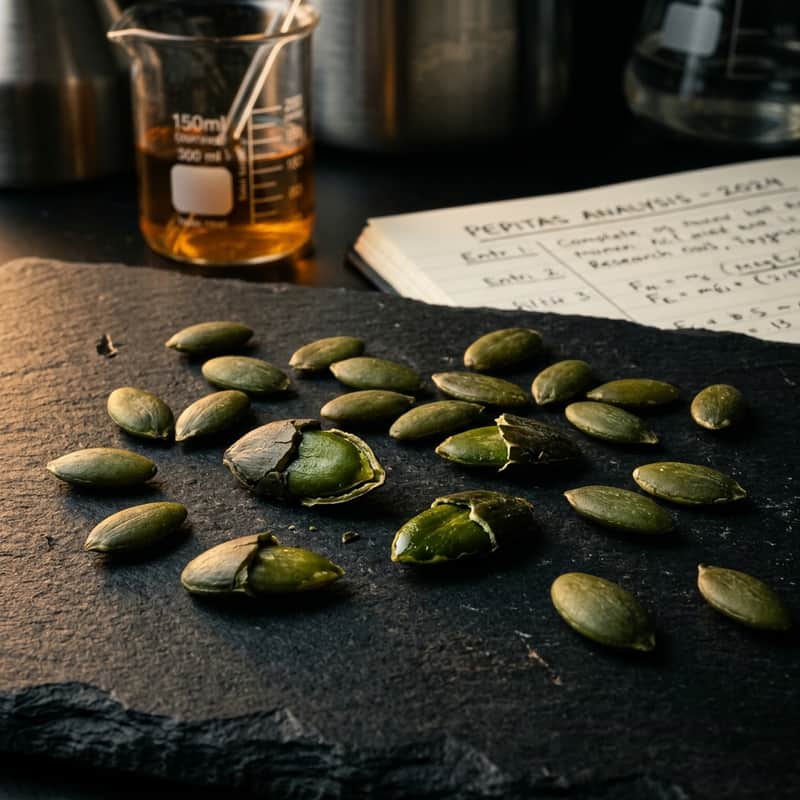
The Biological Gateway to Rest
The transition into restorative sleep is governed by the parasympathetic nervous system, which relies on the neurotransmitter GABA (gamma-aminobutyric acid) to signal the brain to downregulate activity. Pumpkin seeds (Cucurbita pepo) serve as a critical biological catalyst in this process, providing one of the densest whole-food sources of magnesium—a mineral that directly binds to GABA receptors to induce a state of neurological calm.
The Tryptophan-Serotonin-Melatonin Pipeline
Beyond simple relaxation, pumpkin seeds provide the raw materials for melatonin synthesis. They are rich in the amino acid L-tryptophan, which the body converts into serotonin and then melatonin. This conversion is an enzyme-dependent process that requires zinc and Vitamin B6 as co-factors. By providing the complete triad of tryptophan, zinc, and magnesium, pumpkin seeds offer a high-fidelity botanical mechanism for optimizing sleep architecture.
The synergy between magnesium and tryptophan in pumpkin seeds represents a natural precision intervention for managing circadian rhythm and sleep depth.
The NMDA Gatekeeper
Chronic sleep latency is often linked to the over-firing of NMDA receptors in the brain. Magnesium acts as a physiological 'gatekeeper,' sitting within the NMDA receptor to prevent excessive calcium influx and neuronal over-excitation. Regular integration of pumpkin seeds ensures that the brain has sufficient magnesium stores to maintain this protective barrier, allowing for a smoother descent into the N3 'Deep Sleep' stage.
Clinical Protocol
To leverage these neurological benefits, MyWholeFoods recommends a 'Pre-Sleep Seed Protocol.' Consuming 1 ounce (approximately 28g) of raw or lightly sprouted pumpkin seeds 90 minutes before your intended rest provides the body with the necessary mineral influx to support neurotransmitter transitions. For maximum bioavailability, avoid high-calcium dairy in the same window, as calcium can compete with magnesium for absorption.
The Clinical Mechanics of Neurological Health
When examining the implications of the magnesium axis: pumpkin seeds and the neurological foundation of sleep, modern nutritional science reveals a complex interplay between bioactive compounds and cellular metabolism. Historically, we have viewed food purely as caloric fuel. However, the paradigm is shifting toward understanding food as biological information. Every time you consume these nutrients, you are sending a stream of data to your cells, instructing them to upregulate protective pathways, modulate inflammation, and enhance mitochondrial efficiency.
One of the most fascinating aspects of this biological signaling is the concept of hormesis—a biological phenomenon where a beneficial effect results from exposure to low doses of an agent that is otherwise toxic or lethal when given at higher doses. Many phytochemicals act as mild cellular stressors, which in turn activate the body's endogenous antioxidant defense systems, such as the Nrf2 pathway. This is why a diverse intake of plant-based whole foods is so critical for longevity and systemic resilience.
Furthermore, the integrity of the gut microbiome plays an indispensable role. The microbiome acts as a secondary organ, processing complex polyphenols and fibers into highly bioavailable metabolites. These metabolites, such as short-chain fatty acids (SCFAs) like butyrate, enter the bloodstream and exert profound systemic effects, including crossing the blood-brain barrier to influence neuroinflammation and cognitive function. This bidirectional communication—often referred to as the gut-brain axis—underscores the importance of a nutrient-dense diet.
Advanced Applications and Synergistic Pairings
To maximize the bioavailability and efficacy of these nutrients, strategic food pairing is essential. For instance, lipid-soluble compounds require the presence of dietary fats for optimal absorption. Pairing fat-soluble vitamins or carotenoids with sources of healthy fats—such as extra virgin olive oil, avocados, or nuts—can increase their absorption by several folds. Similarly, the activation of certain beneficial enzymes, like myrosinase in cruciferous vegetables, can be enhanced by specific preparation methods.
Incorporating these clinical insights into a daily routine does not require a complete overhaul of one's lifestyle. Instead, it involves making intentional, evidence-based choices. By prioritizing foods with high nutrient density and specific bioactive profiles, individuals can proactively support their cellular health. The compounding effects of these dietary choices over years and decades are what ultimately shape our healthspan and resilience against chronic, age-related conditions.
As we continue to explore the frontiers of nutritional genomics and metabolomics, our understanding of these mechanisms will only deepen. The transition from a generalized dietary approach to personalized, precision nutrition is on the horizon. Until then, the foundational principles remain clear: a diverse, whole-food diet rich in specific, clinically validated compounds is our most powerful tool for maintaining vitality and preventing disease.
In conclusion, the therapeutic potential of these dietary interventions extends far beyond simple macronutrient balancing. By viewing our diet through the lens of cellular signaling and microbiome optimization, we empower ourselves to take control of our health trajectory. The evidence is clear: the right foods are not just sustenance; they are medicine.
Medical Disclaimer
The content provided on MyWholeFoods is for educational and informational purposes only and does not constitute medical advice. While our articles are peer-reviewed and cited from clinical literature, this information should not be used to diagnose, treat, or prevent any disease. Always consult with a qualified healthcare professional before making significant changes to your diet or wellness routine.

Gregory David Founder & Editor, MyWholeFoods
Gregory David is the founder and editor of MyWholeFoods. He researches evidence-based nutrition and whole foods by reviewing peer-reviewed scientific literature, including studies published through PubMed and other respected scientific sources. His goal is to present reliable nutrition information in a clear, practical, and accessible way for everyday readers.