For years, the wellness and fitness communities have been absolutely obsessed with what has casually become known as "protein maxxing." This ideology dictates that the ultimate measure of a healthy diet is simply hitting a massive daily macronutrient target for protein, regardless of the source. People have been chugging heavily processed, artificially flavored shakes, eating synthetic protein bars that barely resemble food, and adding isolated protein powders to everything from their morning coffee to their evening dessert. The goal was simple: get the grams in. However, as we move through 2026, a profound paradigm shift is occurring. The trend is moving rapidly away from this reductionist view and toward what leading nutritional experts and researchers are calling "purposeful protein."
This new approach represents a fundamental maturation in how we think about human nutrition. It isn't just about how many grams of a specific molecule you can cram into your digestive system; it's about the quality of the source, how that protein is spaced throughout the day, the environmental impact of its production, and, most importantly, the co-nutrients it provides. The era of "macros over everything" is ending, and the era of the "whole food matrix" has officially arrived.
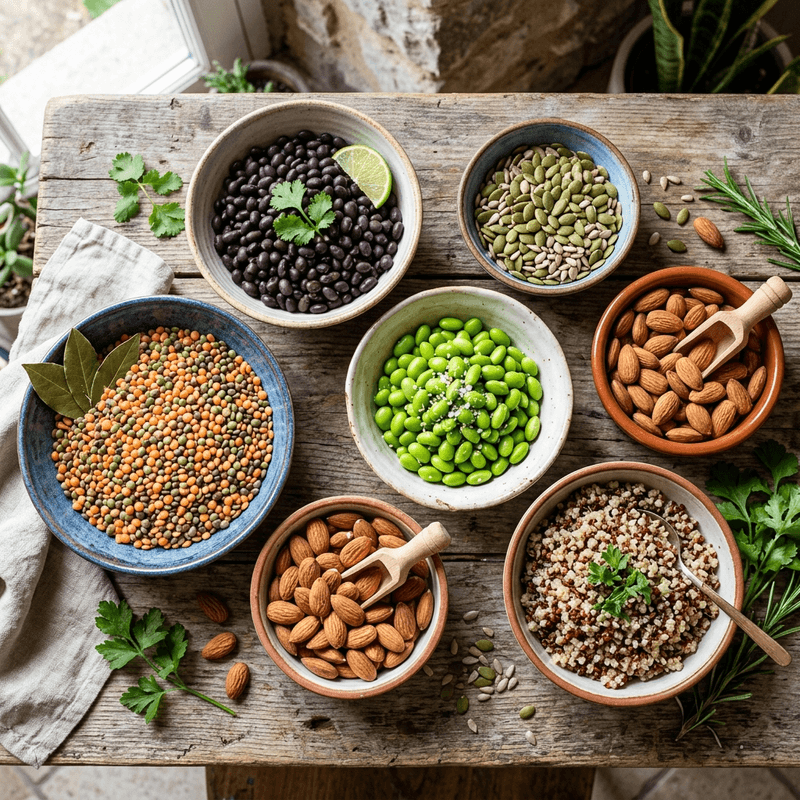
What Exactly is 'Purposeful Protein'?
To understand purposeful protein, we must first recognize a basic biological reality: humans do not eat isolated macronutrients; we eat food. When you consume a scoop of whey isolate, you are certainly delivering about 25 grams of protein to your muscles, but you are providing virtually nothing else. There is no fiber to feed your gut bacteria, no complex carbohydrates for sustained energy, and no phytonutrients to combat oxidative stress.
Conversely, when you consume a hearty bowl of spiced lentils, you are taking in a purposeful protein source. Yes, you are getting protein, but you are also receiving a massive dose of dietary fiber, essential minerals like iron and magnesium, B vitamins like folate, and powerful antioxidant polyphenols. The synergy of these whole-food nutrients supports not just muscle protein synthesis, but the entirety of human physiology—from gut health and digestion to cardiovascular function and long-term longevity. Purposeful protein means choosing foods that multitask, providing a broad spectrum of benefits rather than a single, isolated nutrient.
The Scientific Shift: Plant vs. Animal Protein
Recent massive epidemiological studies have continued to validate the shift toward plant-based proteins as the ultimate purposeful choice. A landmark research study published in JAMA Internal Medicine [3]Association Between Plant and Animal Protein Intake and Overall and Cause-Specific Mortality
JAMA Internal Medicine (2020)
View Study → analyzed the dietary habits of over 400,000 individuals over a 16-year period. The findings were staggering. Higher intake of plant protein was significantly associated with a lower risk of overall mortality and cardiovascular disease mortality in both men and women.
Even more compelling was the substitution analysis. The researchers found that by replacing just 3% of daily energy intake from animal protein (particularly processed and unprocessed red meat) with an equivalent amount of plant protein, participants experienced a 10% decrease in overall mortality risk and an even greater reduction in cardiovascular-related deaths. This is the definition of purposeful nutrition—making a small, intentional swap that yields massive, life-extending dividends.
Why does this happen? A highly cited review in Food & Function [1]Dietary protein intake and human health
Food & Function (2016)
View Study → highlights that dietary protein intake is intimately linked to human health, but the packaging matters immensely. Plant proteins come bundled with fiber and phytonutrients that actively lower systemic inflammation. Furthermore, they lack the high levels of saturated fat and heme iron found in many animal sources, which have been linked in various studies to oxidative stress and metabolic syndrome.
The Myth of the 'Incomplete' Protein
For decades, one of the primary arguments against relying on plant proteins was the myth of the "incomplete" protein. The outdated theory suggested that because most plant foods do not contain all nine essential amino acids in the exact perfect ratios required by the human body (unlike eggs or meat), you had to carefully combine them at every single meal—eating rice and beans together, for instance—to get any benefit.
Modern nutritional science has thoroughly debunked this. The human body is incredibly intelligent. It maintains a "pool" of free amino acids derived from the various foods you eat throughout the day, as well as from the constant recycling of the body's own tissues. As long as you eat a varied diet featuring different plant protein sources (like legumes, whole grains, nuts, and seeds) over the course of 24 hours, your liver will synthesize all the complete proteins your body requires. You do not need a spreadsheet to track your amino acids; you just need variety.
Spacing It Out: The Timing Factor
Another critical component of purposeful protein is the concept of distribution. The human body handles protein very differently than it handles carbohydrates or fats. While excess carbs are stored as glycogen and excess fat is stored in adipose tissue, the body has virtually no storage mechanism for excess dietary protein.
Therefore, the common Western dietary pattern of eating almost zero protein for breakfast, a minimal amount at lunch, and a massive 80-gram protein steak at dinner is highly inefficient. Muscle protein synthesis—the biological process of repairing and building muscle tissue—maxes out at around 20 to 30 grams of high-quality protein per meal for the average adult. Any protein consumed beyond that threshold in a single sitting is generally oxidized for energy or converted to urea and excreted.
By spacing your protein intake evenly—aiming for roughly 20 to 30 grams at breakfast, lunch, and dinner—you optimize muscle repair, maintain a steady supply of amino acids in the bloodstream, and keep your blood sugar incredibly stable. This steady distribution is what keeps you feeling full, focused, and energized all day long, effectively eliminating the mid-afternoon crash.
Deep Dive: Top Purposeful Protein Sources
If you are ready to embrace purposeful protein, here are some of the most nutrient-dense, whole-food sources to incorporate into your weekly rotation. These foods multitask brilliantly, providing protein alongside a host of other essential nutrients.
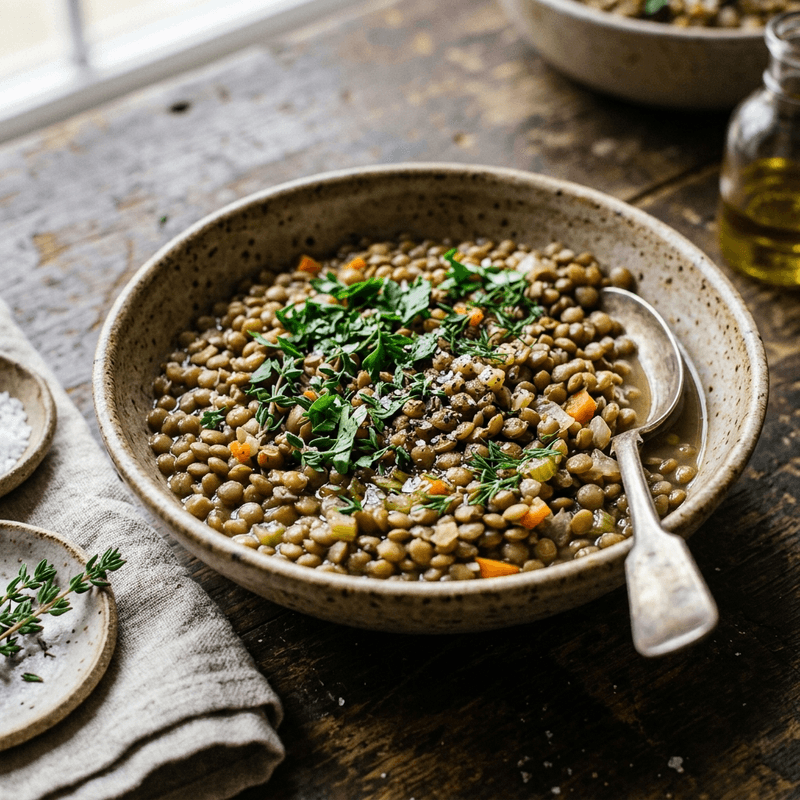
1. Lentils (18g protein per cup): Lentils are the absolute powerhouse of the plant-based world. Not only do they provide a massive 18 grams of protein per cooked cup, but they also offer around 15 grams of dietary fiber. This combination is the ultimate recipe for satiety and gut health. They also provide significant amounts of iron and folate. They cook much faster than dried beans and absorb savory flavors beautifully in soups, stews, and Indian-inspired dals.
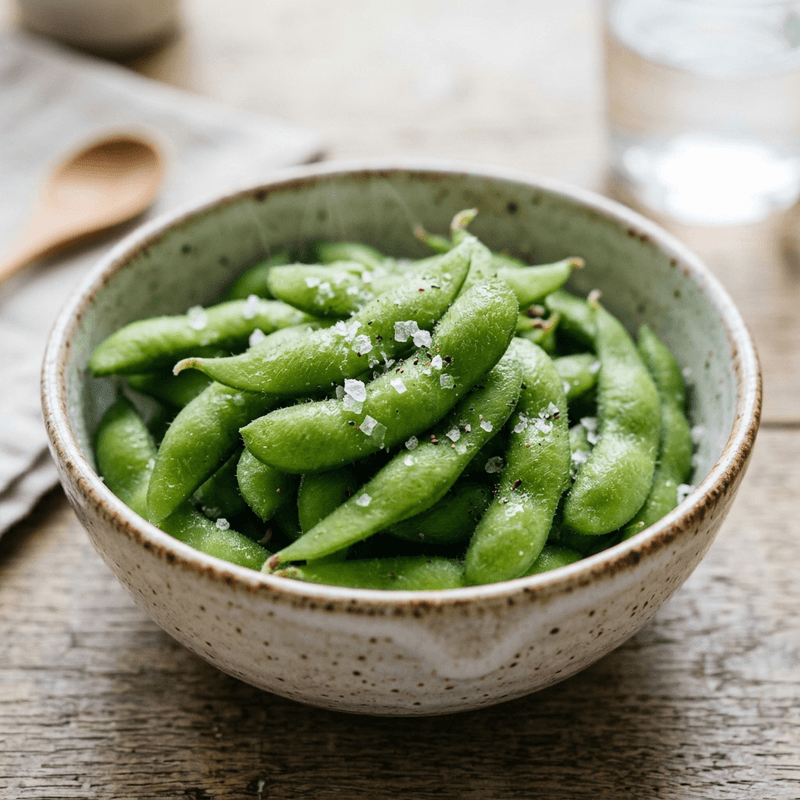
2. Edamame (17g protein per cup): These young, green soybeans are one of the few plant foods that actually provide a complete amino acid profile on their own. With 17 grams of protein per cup, they are a fantastic, low-effort snack when steamed and sprinkled with coarse sea salt. Shelled edamame can be tossed into salads, stir-fries, or grain bowls for an instant protein boost.
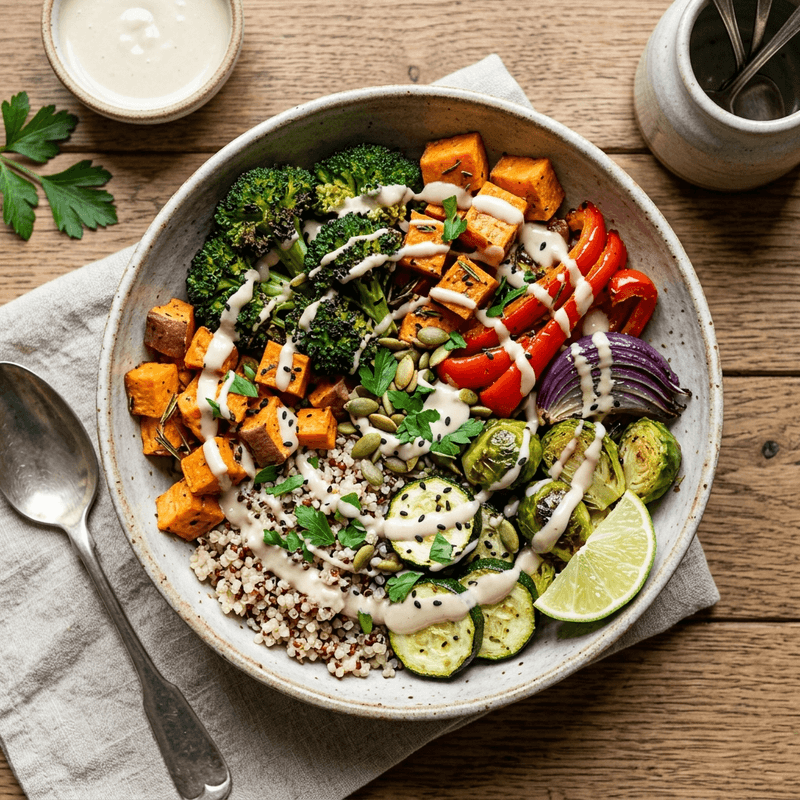
3. Quinoa (8g protein per cup): Often mistaken for a grain, quinoa is actually a pseudocereal seed. Like edamame, it is a complete protein. While 8 grams per cup might not seem huge, it serves as an incredible, protein-rich base for meals. Swap out white rice for quinoa in your next burrito bowl, and you instantly elevate the nutritional profile of the entire dish.
4. Black Beans and Chickpeas (15g protein per cup): Offering about 15 grams of protein per cup, these legumes are incredibly versatile and deeply embedded in traditional diets around the world, including the "Blue Zones" where people live the longest. Roast chickpeas with paprika for a crunchy snack, blend them into creamy hummus, or use black beans as the hearty center of a plant-based taco.
5. Hemp Hearts (10g protein per 3 tablespoons): Hemp hearts are tiny but mighty. Three tablespoons deliver 10 grams of highly digestible protein, along with a perfect ratio of omega-3 to omega-6 fatty acids. They have a mild, nutty flavor that disappears into smoothies, oatmeal, and yogurt parfaits, making them one of the easiest ways to sneak purposeful protein into your breakfast.
6. Pumpkin Seeds (9g protein per ounce): Just a small handful of pumpkin seeds (pepitas) yields nearly 9 grams of protein. They are also one of the best plant-based sources of zinc and magnesium, two minerals critical for immune function and sleep regulation. Toast them lightly and sprinkle them over salads or soups for added crunch.
A Sample 3-Day Purposeful Protein Meal Plan
Putting this all into practice is easier than it sounds. Here is a sample 3-day meal plan demonstrating how to easily hit your protein targets using whole, purposeful foods.
Day 1
Breakfast:
Overnight oats made with rolled oats, chia seeds, soy milk, and topped with hemp hearts and mixed berries. (Approx. 22g protein)
Lunch:
A massive "kitchen sink" salad featuring mixed greens, half a cup of chickpeas, half a cup of quinoa, cherry tomatoes, cucumbers, and a tahini-lemon dressing. (Approx. 20g protein)
Snack:
An apple with two tablespoons of almond butter. (Approx. 7g protein)
Dinner:
A rich, warming lentil and spinach dal served over brown rice with a side of roasted cauliflower. (Approx. 25g protein)
Daily Total:
~74g of high-quality, fiber-rich protein.
Day 2
Breakfast:
A green smoothie made with spinach, frozen banana, a cup of soy milk, two tablespoons of peanut butter, and a tablespoon of flaxseed. (Approx. 20g protein)
Lunch:
Leftover lentil and spinach dal from the night before. (Approx. 25g protein)
Snack:
A cup of steamed edamame with sea salt. (Approx. 17g protein)
Dinner:
Black bean and sweet potato tacos in corn tortillas, topped with avocado, salsa, and a sprinkle of pumpkin seeds. (Approx. 22g protein)
Daily Total:
~84g of high-quality, fiber-rich protein.
Day 3
Breakfast:
Tofu scramble (using firm tofu mashed with turmeric, nutritional yeast, and black pepper) served with a slice of whole-grain sprouted sourdough toast. (Approx. 26g protein)
Lunch:
A hearty quinoa bowl topped with roasted broccoli, black beans, and a creamy avocado-cilantro dressing. (Approx. 22g protein)
Snack:
A handful of dry-roasted almonds and a pear. (Approx. 6g protein)
Dinner:
Whole wheat pasta or chickpea pasta tossed with a homemade marinara sauce, fresh basil, and a massive side of garlic-sautéed spinach. (Approx. 24g protein)
Daily Total:
~78g of high-quality, fiber-rich protein.
Final Thoughts: Nourishing the Whole System
Embracing purposeful protein doesn't require meticulous calorie tracking or expensive supplements. Instead, it requires a mindset shift. It asks us to look at our plates and see the "Plate Method" in action: half the plate filled with colorful, non-starchy vegetables, a quarter dedicated to complex carbohydrates like sweet potatoes or brown rice, and the final quarter filled with a robust source of plant protein, such as a hearty lentil stew, marinated tofu, or a mixed bean salad.
By shifting the focus from the sheer quantity of a single macro to the holistic quality and context of the entire food matrix, you nourish your body in a way that isolated powders simply cannot replicate. You support your muscles, yes, but you also feed your microbiome, protect your heart, and fuel your longevity. Welcome to the era of purposeful protein.
Clinical Citations & References
- Dietary protein intake and human health
Food & Function (2016)
View Study → - Plant Protein and Animal Proteins: Do They Differentially Affect Cardiovascular Disease Risk?
Advances in Nutrition (2015)
View Study → - Association Between Plant and Animal Protein Intake and Overall and Cause-Specific Mortality
JAMA Internal Medicine (2020)
View Study →
Medical Disclaimer
The content provided on MyWholeFoods is for educational and informational purposes only and does not constitute medical advice. While our articles are peer-reviewed and cited from clinical literature, this information should not be used to diagnose, treat, or prevent any disease. Always consult with a qualified healthcare professional before making significant changes to your diet or wellness routine.